


Table of Contents
ToggleThe Economics of Being an Artiste in Ghana: Passion, Profit and the Price of Fame
By [Author Name] | Accra
Ghana’s creative industry has grown rapidly over the past two decades, producing globally recognized musicians, actors, and visual artists. Yet behind the glamour of sold-out concerts and viral hits lies a complex financial reality. For many artistes in Ghana, success requires balancing creativity with entrepreneurship, navigating informal structures, and adapting to digital disruption.
From recording costs and streaming revenues to endorsements and live performances, the economics of being an artiste in Ghana reflects both opportunity and uncertainty. As the industry evolves, artistes increasingly operate not just as performers but as small business owners managing brands, teams, and revenue streams.
Ghana’s Music Industry at a Glance

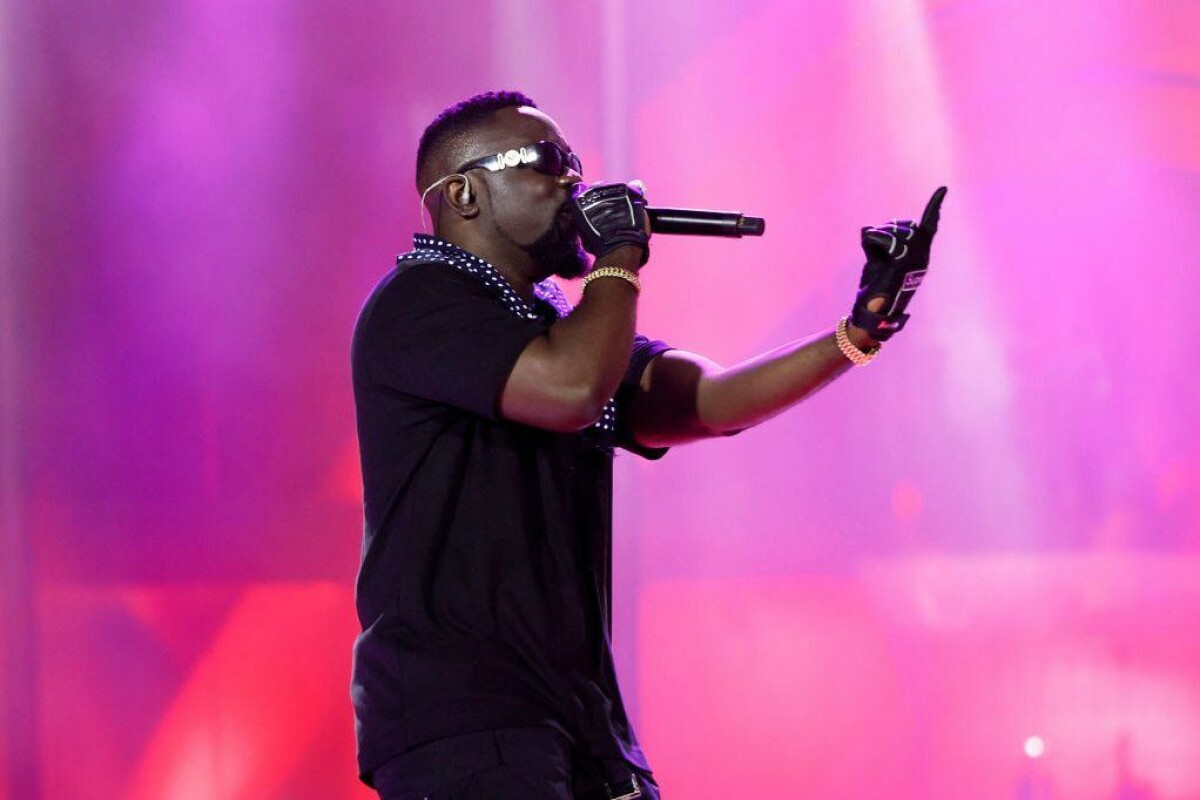
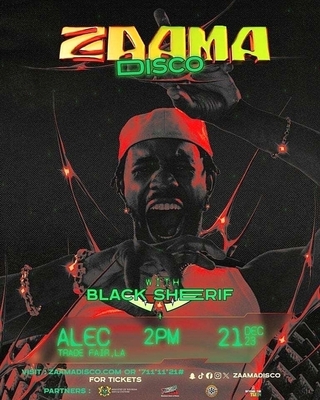
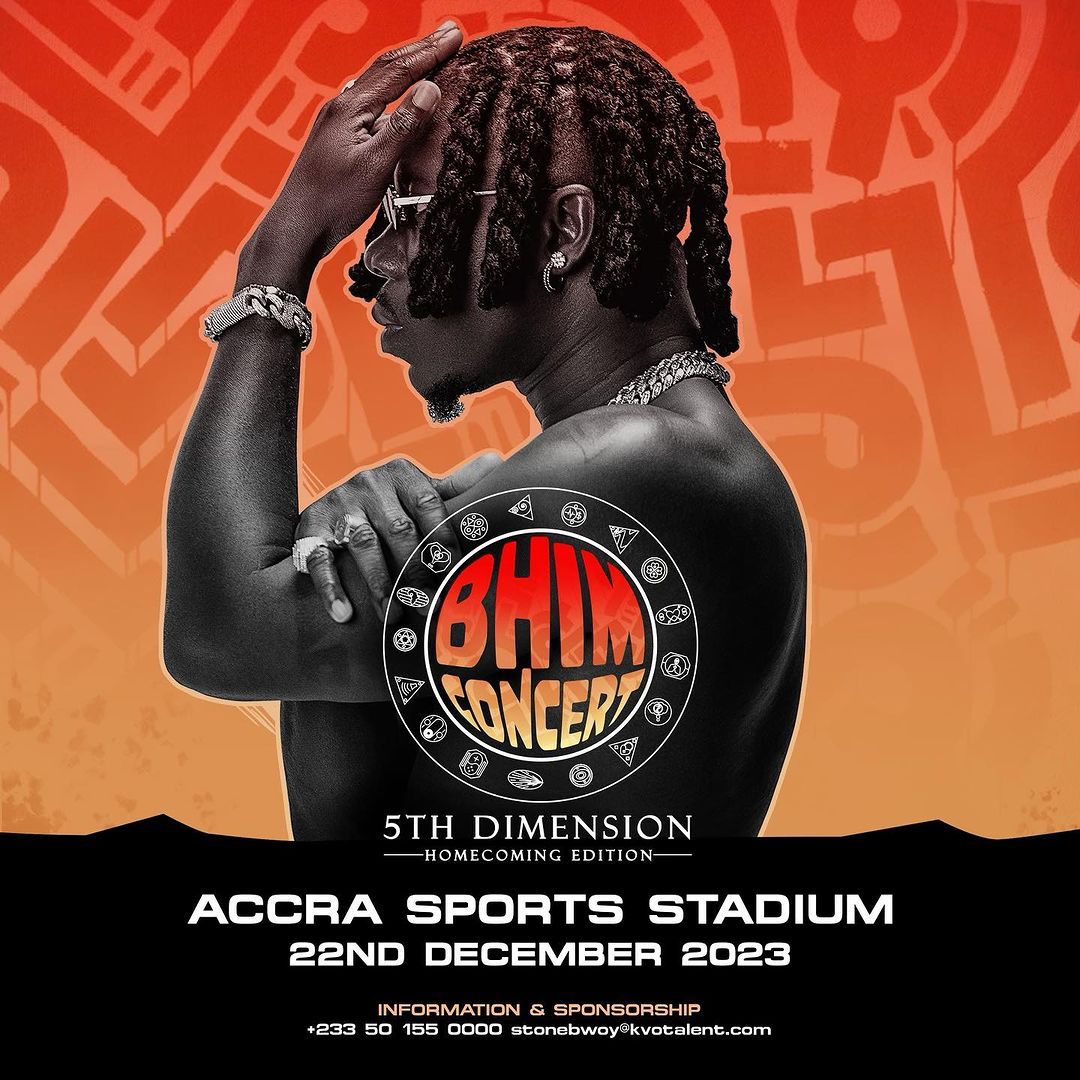
Over the past decade, Ghanaian musicians such as Sarkodie, Stonebwoy and Black Sherif have built international audiences, performing across Africa, Europe, and North America. The rise of Afrobeats and African pop culture has positioned Ghana as a significant player in the global entertainment economy.
But industry analysts note that for every headline act, hundreds of emerging artistes struggle to achieve sustainable income.
Unlike more established music markets in the United States or Europe, Ghana’s industry is still developing structured royalty systems, transparent digital accounting, and large-scale sponsorship pipelines. As a result, income can fluctuate dramatically depending on popularity cycles, touring opportunities, and brand partnerships.
Revenue Streams: Where the Money Comes From
Artistes in Ghana typically earn income from multiple sources. These include:
1. Live Performances and Events
Concerts, festivals, private parties, and corporate shows remain among the most lucrative income streams. Established artistes can command substantial appearance fees for headline performances.
However, income from live shows can be seasonal, often peaking during festive periods such as Christmas and Easter. Outside these windows, opportunities may be limited, especially for up-and-coming performers.
2. Streaming and Digital Sales
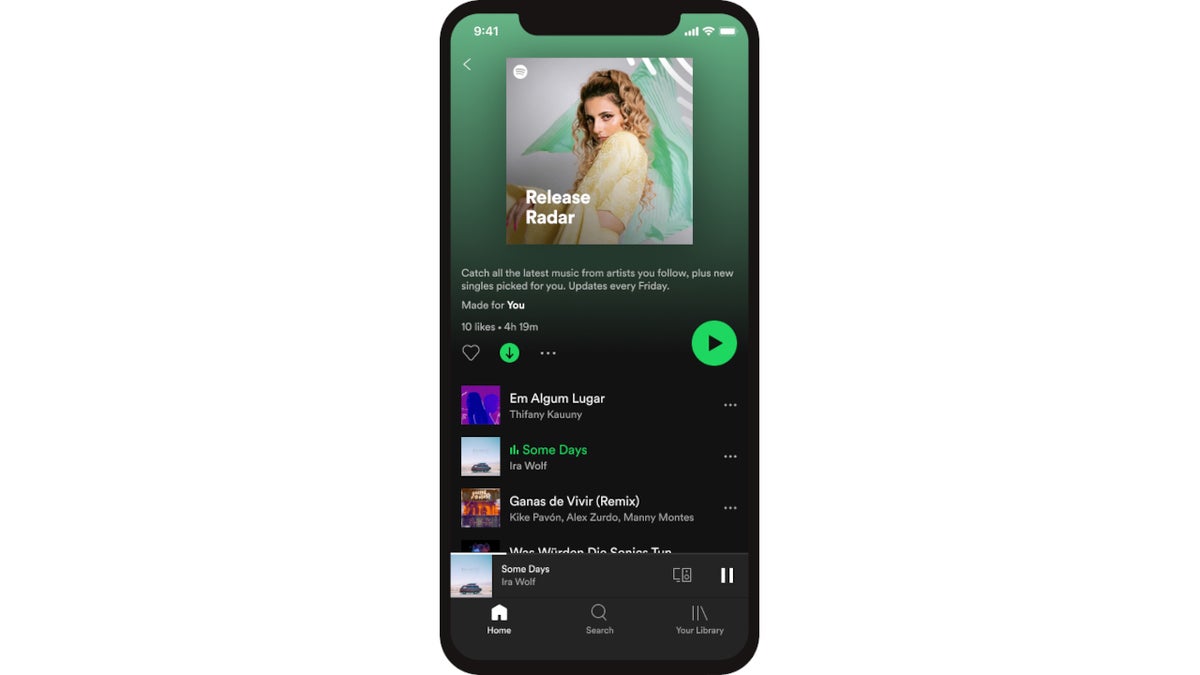

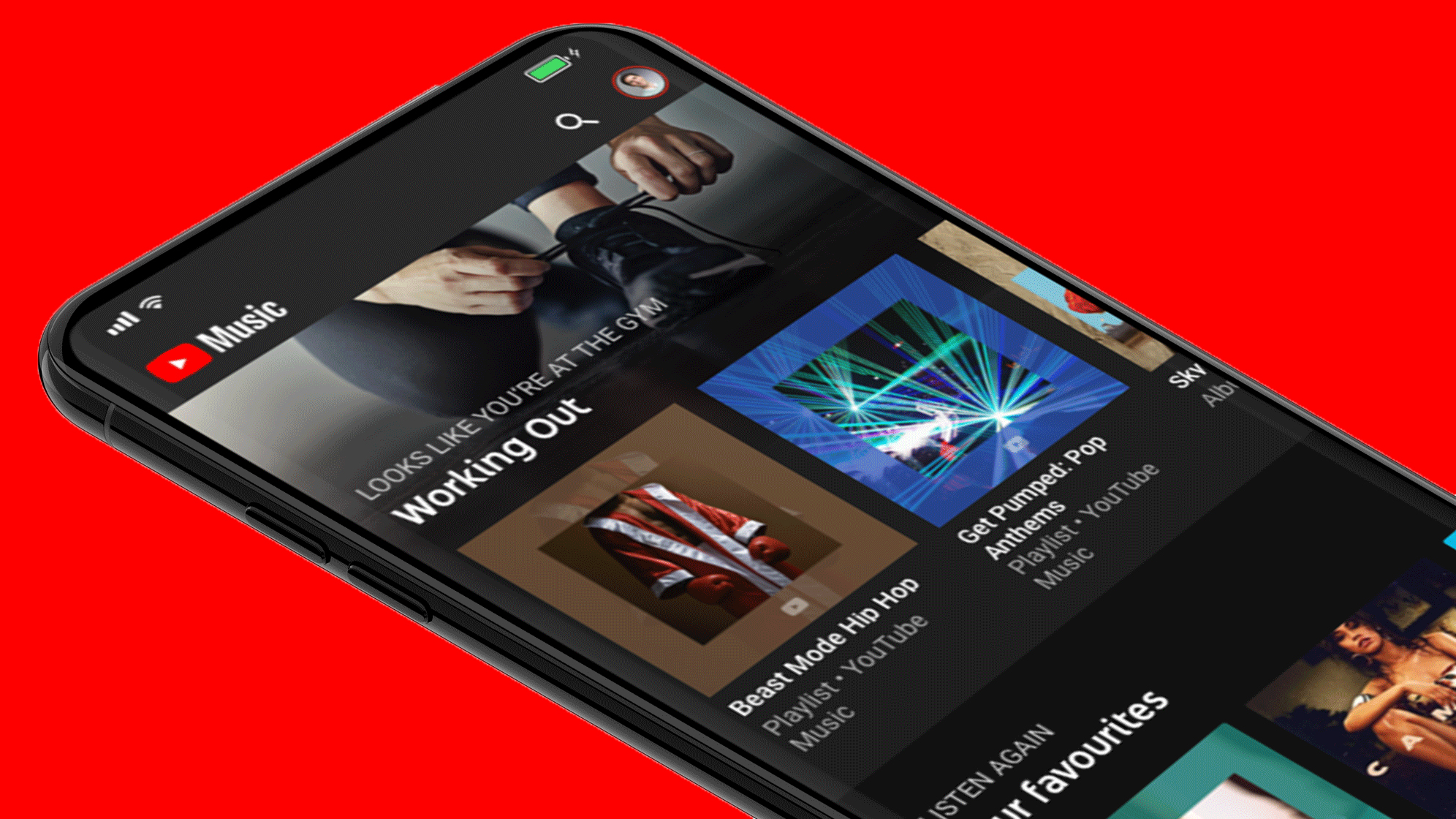
Digital platforms such as Spotify, Audiomack, YouTube and Apple Music have transformed music distribution in Ghana. Artistes can now release music globally without physical distribution barriers.
However, streaming revenue depends heavily on volume. Payouts per stream are relatively low, meaning only songs with millions of streams generate substantial earnings. For many mid-tier artistes, digital revenue supplements rather than replaces live performance income.
3. Brand Endorsements and Sponsorships
Corporate partnerships can be highly profitable. Telecommunications companies, beverage brands, and fashion labels frequently collaborate with popular artistes for marketing campaigns.
Endorsement deals often include appearance fees, promotional obligations, and social media campaigns. For top-tier artistes, such agreements may exceed earnings from recorded music.
4. Royalties and Licensing
Royalties from radio play, television broadcasts, and public performances form another income stream. In Ghana, collective management organizations are responsible for collecting and distributing royalties. However, artistes sometimes express concerns about transparency and delayed payments, highlighting the need for stronger regulatory frameworks.
The Cost of Being an Artiste


While audiences often see the glamorous side of entertainment, production costs can be substantial.
Studio and Production Costs
Recording a professional song may involve studio time, sound engineering, mixing, mastering, and production fees. Music video production adds further expenses, including location rentals, directors, equipment, costumes, and editing.
Promotion and Marketing
Breaking a song requires radio promotion, influencer marketing, digital ads, and media appearances. Without strong marketing, even high-quality music may struggle to gain visibility.
Management and Team Expenses
As artistes grow, they often build teams comprising managers, publicists, stylists, dancers, and legal advisors. Each plays a critical role in career development, but maintaining a team increases overhead costs.
Touring and Logistics
Travel, accommodation, and security arrangements can reduce profit margins from live events, particularly when shows are self-organized.
Independent vs. Signed Artistes
Some Ghanaian artistes operate independently, financing and managing their own careers. Independence offers creative freedom and higher ownership of intellectual property, but also greater financial risk.
Others sign with record labels that provide funding, marketing support, and distribution networks. While label deals can accelerate growth, contracts often involve revenue sharing arrangements that reduce an artiste’s direct earnings.
Industry observers note that digital platforms have empowered more artistes to pursue independent careers, but success still depends on strategic planning and professional management.
The Role of Social Media

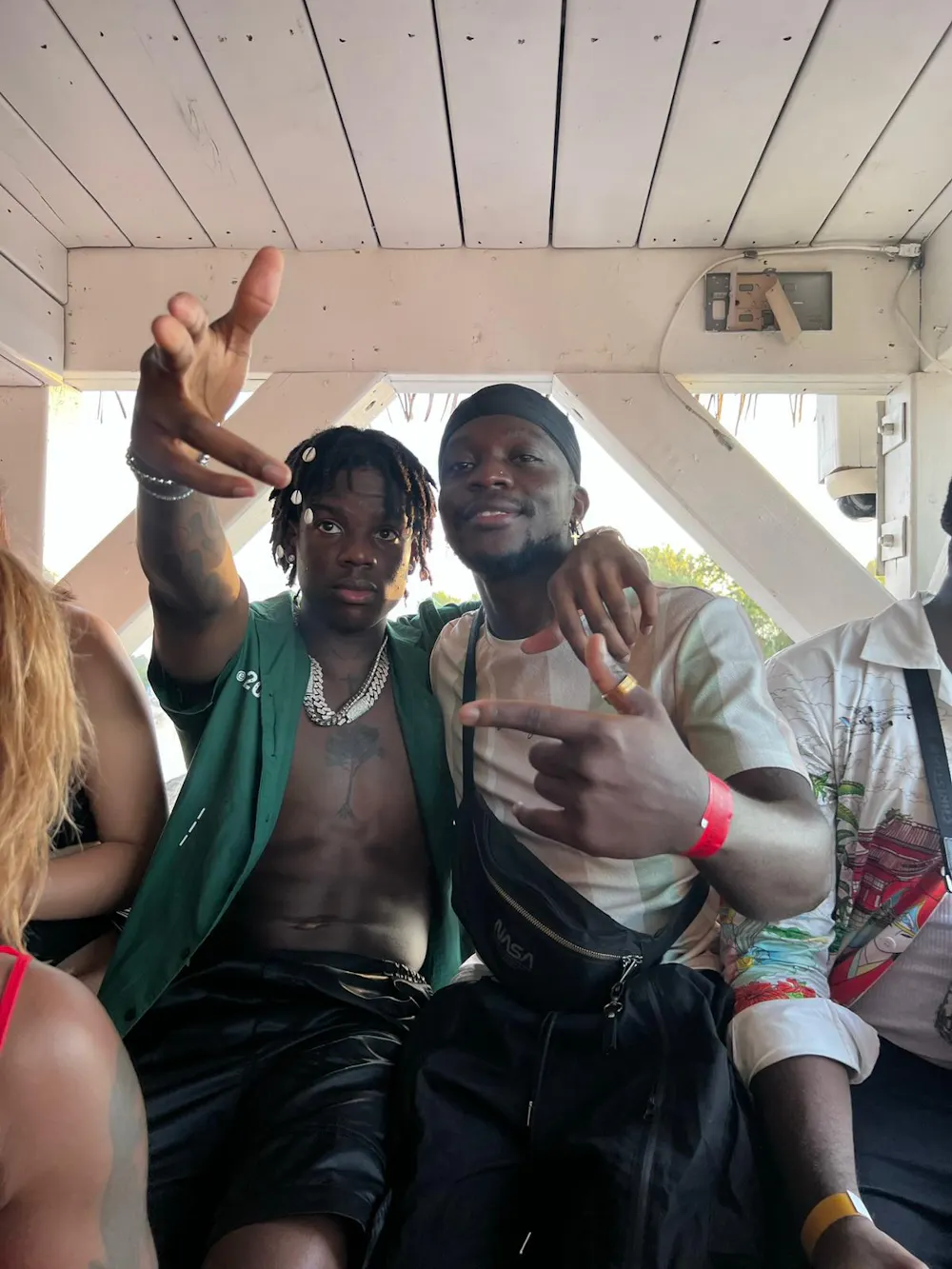

Social media platforms such as Instagram, TikTok and X have become essential marketing tools.
Artistes now build audiences directly, promote new releases, and monetize content through influencer partnerships. Viral trends can rapidly boost a song’s popularity, leading to increased bookings and streams.
However, maintaining an active online presence requires constant engagement, content production, and brand management — effectively adding another layer of work beyond music creation.
Financial Sustainability Challenges
Despite visible success stories, financial sustainability remains a major challenge for many Ghanaian artistes.
-
Irregular Income: Earnings fluctuate depending on trends, bookings, and public interest.
-
Limited Industry Data: Lack of transparent reporting can make financial planning difficult.
-
High Competition: The number of emerging artistes continues to rise, intensifying competition for limited performance slots and sponsorship deals.
-
Piracy Concerns: Although reduced by digital streaming, unauthorized distribution still affects potential earnings.
Financial literacy has therefore become increasingly important. Artistes who diversify income streams — investing in businesses, merchandise lines, or real estate — often achieve greater long-term stability.
Beyond Music: Diversification and Entrepreneurship
Many successful Ghanaian artistes expand into entrepreneurship. Some launch fashion brands, production companies, or event management firms. Others invest in hospitality or media ventures.
Diversification helps cushion against income volatility. It also strengthens personal brands, positioning artistes as business leaders rather than solely entertainers.
Financial advisors recommend structured budgeting, contract negotiation expertise, and long-term investment planning as critical components of career sustainability.
Government Policy and Industry Support
Ghana’s creative sector has attracted policy attention in recent years, with calls for tax incentives, creative arts funding, and improved copyright enforcement. Stakeholders argue that strengthening institutional support could enhance export potential and formalize revenue systems.
Training programs in music business management, copyright law, and digital marketing are gradually expanding, but industry players note that further reforms could unlock additional economic value.
Conclusion: Passion Meets Business Reality
The economics of being an artiste in Ghana reflects both promise and complexity. While global exposure and digital platforms have expanded opportunities, financial success requires more than talent alone. Strategic management, diversified income streams, disciplined budgeting, and strong brand positioning are essential.
For emerging artistes, understanding the business side of music may be as important as mastering performance skills. As Ghana’s creative industry continues to mature, sustainable growth will depend on stronger infrastructure, transparent systems, and innovative entrepreneurship.
In the end, being an artiste in Ghana is both an artistic journey and a business venture — one where passion fuels creativity, but financial literacy sustains longevity.
Related posts:
- Kenyans Drop Flowers for Valentine’s Bouquets of Cash — Not Everyone Is Impressed
- Viral Claim Sparks Debate: Woman Says Pastor’s Prophecy Influenced Her Relationship Decision
- Alleged Kidnapping and Robbery Case Involving Gucci Mane and Pooh Shiesty Draws Attention
- Volta Region Records Ghana’s Lowest Divorce Rate at 2.8% — What the Data Reveals

