


The 30 Greatest Living American Songwriters
nytimes
Over 250 music experts and six New York Times critics shared their opinions on who shapes the new American songbook. Here is a list of the artists they picked, without any specific ranking. It includes Music & Audio.
Nile Rodgers
The titles speak volumes. “Good Times.” “I Want Your Love.” “Lost in Music.” “Everybody Dance.” “My Feet Keep Dancing.” “Dance, Dance, Dance (Yowsah, Yowsah, Yowsah).” The songs by Nile Rodgers capture the essence of disco’s peak: late nights, flashing lights, love, passion, and most importantly, the joy of people coming together, moving as one, caught in an unstoppable rhythm that feels like it’s breaking the rules of the world — at least until the police arrive.
Along with his songwriting p
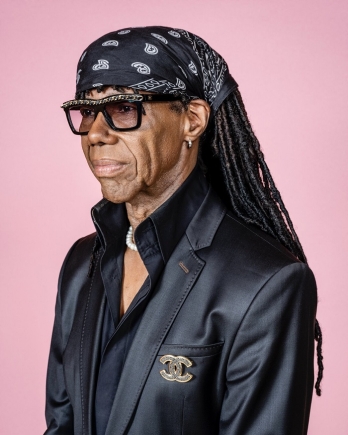 artner, the bassist Bernard Edwards, who passed away in 1996, Rodgers helped start the band Chic. Chic became the main group for New York’s disco scene during the late 1970s. Rodgers was known as a big party lover and spent a lot of time at Manhattan’s clubs. He was also one of the best writers when it came to describing the club scene. In the songs he and Edwards wrote for Chic and other artists, the raw, flashy style of the local nightlife scene — including people of all races, genders, and orientations — turned into a worldwide vision, captured in songs about freedom and breaking rules that spread around the world.
Those songs worked so well because they suited everyone: The only people left out of Rodgers and Edwards’s party were the ones who didn’t want to dance. Diana Ross’s “I’m Coming Out” was clearly a powerful call for the LGBTQ+ community, but its message — “I want the world to know / I got to let it show” — was inclusive and welcomed many people. Sister Sledge’s “We Are Family” from 1979 was also embraced by the gay and Black communities as a symbol of unity; however, it was also a song about siblings, sung by the real sisters Debbie, Joni, Kim, and Kathy Sledge, and became a beloved theme song for many families, both biological and chosen. The songs carried sneakier messages as well. The lyrics were full of historical references — like 1920s sayings and songs from the Depression, such as “Happy Days Are Here Again” — connecting the disco boom during stagflation to a time when Americans dealt with tough times by dancing all night.
Lucinda Williams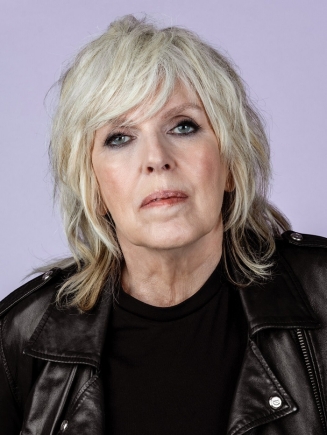
Whatever someone says about a song’s texture becomes real and feelable through Lucinda Williams. Sweat salt. Ice crunch. Oyster grit. Matches. Grease (bacon, engine, hair). She must know this. She named one of her greatest album “Car Wheels on a Gravel Road.” Her music career that lasted fifty years started with a kind of textured style. She traveled through a country and, like many singer-songwriters do, explored Black music, figuring out what makes affect different from affinity. Williams, from Lake Charles, La., began his career as a blues stencilist, drawing inspiration from Robert Johnson and Melvin “Lil’ Son” Jackson. So there’s no fake part about the zydeco that adds a nice touch to her first recording of an original song called “I Lost It.” Music & Audio.
Williams became a style that blends different influences and tells great stories, making her own unique genre. She is a songwriter that musicians love and critics admire: she is dry, seems simple but is actually deep, and she sounds sure of herself.

