


Akwapim-Akropong Chieftaincy Clash: One Dead After Police Shoot-Out
A tense security operation in Akwapim-Akropong has ended in tragedy after a suspected armed man was shot dead during a prolonged gun battle with officers of the Ghana Police Service. The incident, which unfolded amid an ongoing chieftaincy dispute in the historic town, has once again drawn national attention to the volatile intersection of traditional authority conflicts and public safety.
The deceased, identified as Kwasi Ansah Eku, widely known by the alias “Dragon,” was reportedly at the center of intelligence gathered by police concerning escalating tensions linked to the chieftaincy dispute. According to official accounts, he resisted arrest and opened fire on officers, triggering a fierce exchange that lasted nearly two hours.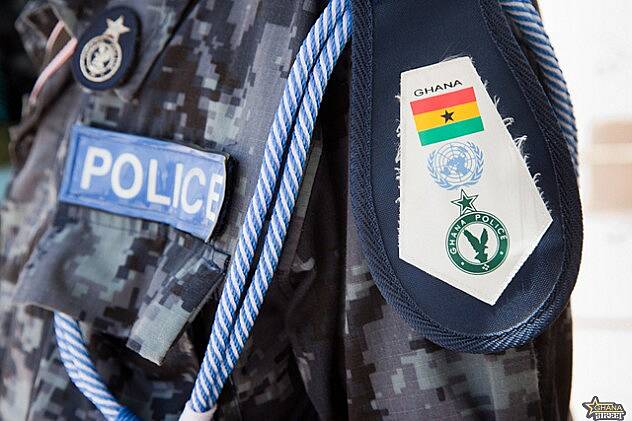
Table of Contents
ToggleBackground: Chieftaincy Disputes and Rising Tensions
Chieftaincy disputes are not uncommon in parts of Ghana, particularly in areas with deep-rooted traditional governance systems. In Akwapim-Akropong, such disputes have periodically disrupted peace, with factions contesting legitimacy, succession, and control over traditional authority.
Akropong, the traditional capital of the Akuapem State, holds significant cultural and historical importance. It is also associated with the Odwira Festival, a major annual event that celebrates purification, unity, and the rich heritage of the Akuapem people. However, underlying disputes over leadership have, at times, overshadowed this unity.
In recent months, tensions had reportedly escalated, with intelligence suggesting that certain individuals were arming themselves in anticipation of possible clashes. Community leaders and security agencies had been working to prevent violence, but the situation remained fragile.
Intelligence-Led Operation by Police
The operation that led to the fatal shootout was part of a broader strategy by the Ghana Police Service to clamp down on potential sources of violence in the area.
According to police sources, Kwasi Ansah Eku had been under surveillance for some time. He was suspected of possessing illegal firearms and possibly coordinating activities that could destabilize the community.
Acting on intelligence, a team of officers moved into the area to apprehend the suspect. The operation was carefully planned, with officers aiming to execute the arrest with minimal disruption to residents.
However, events quickly took a dangerous turn.
The Shoot-Out: Two Hours of Intense Gunfire
Eyewitness accounts and police reports indicate that the situation escalated almost immediately upon contact with the suspect.
As officers approached, Kwasi Ansah Eku allegedly opened fire, forcing police to take cover and respond in self-defense. What followed was an intense exchange of gunfire that lasted for nearly two hours.
Residents described scenes of fear and confusion:
- Gunshots rang out repeatedly across the neighborhood
- Families rushed indoors, locking doors and windows
- Some residents fled to safer areas as panic spread
Security personnel quickly cordoned off parts of Akwapim-Akropong to prevent civilians from entering the danger zone.
One resident recounted:
“We heard loud gunshots for a long time. Everyone was scared. We didn’t know what was happening, but we stayed inside until it was over.”
Police sources say officers exercised restraint but were left with no choice but to neutralize the threat after sustained gunfire from the suspect.
Recovery of Weapons and Evidence
Following the shootout, police conducted a search of the scene and recovered a pump-action gun believed to have been used by the suspect. In addition, several spent and live AA cartridges were found.
The presence of such weaponry has raised serious concerns about the proliferation of illegal arms within communities affected by chieftaincy disputes.
Security analysts warn that access to firearms significantly increases the risk of violence in such conflicts, making proactive law enforcement interventions crucial.
“This is a worrying development,” one analyst noted. “When individuals involved in disputes acquire weapons, the potential for escalation becomes very high.”
Identity of the Deceased
Kwasi Ansah Eku, known locally as “Dragon,” was described by some residents as a controversial figure. While details about his background remain under investigation, police believe he played a significant role in the ongoing tensions.
Authorities have not disclosed whether he acted alone or was part of a larger network, but investigations are ongoing to determine possible links to other individuals or groups.
Police Statement and Justification
The Ghana Police Service has defended the operation, stating that officers acted within the law and in self-defense.
In an official statement, police emphasized:
- The operation was based on credible intelligence
- The suspect posed a serious threat to officers and the public
- The use of force was necessary under the circumstances
“The safety of our officers and the public remains our top priority,” the statement read. “We will continue to act decisively against individuals who threaten peace and security.”
Community Reaction: Fear, Relief, and Concern
The incident has elicited mixed reactions among residents of Akwapim-Akropong.
Some community members expressed relief that a potentially dangerous individual had been neutralized, believing it could help restore calm.
Others, however, voiced concerns about the level of violence and the broader implications for the town.
A local trader shared:
“We want peace, but the gunfire was too much. It was like a war zone. We hope this is the end of the trouble.”
Another resident added:
“The police did what they had to do, but we need a lasting solution to the chieftaincy problem.”
Role of Traditional Authorities
Traditional leaders play a critical role in resolving chieftaincy disputes, often working alongside government institutions to mediate conflicts.
In the case of Akwapim-Akropong, efforts have been made in the past to bring factions together, but challenges remain.
Experts argue that sustainable peace will require:
- Dialogue among disputing parties
- Respect for legal and traditional processes
- Active involvement of neutral mediators
Government and Security Response
The government has consistently emphasized its commitment to maintaining peace in areas affected by chieftaincy disputes.
Security agencies, including the Ghana Police Service, have increased their presence in hotspot areas to deter violence and respond swiftly to threats.
In the aftermath of the Akropong incident, additional patrols have been deployed to reassure residents and prevent any retaliatory actions.
Broader Security Implications
The shootout highlights several key issues facing law enforcement in Ghana:
1. Proliferation of Illegal Arms
The recovery of a pump-action gun underscores the need for stricter controls and enforcement to prevent weapons from falling into the wrong hands.
2. Escalation of Chieftaincy Disputes
What begins as a leadership disagreement can quickly escalate into violence if not properly managed.
3. Risks Faced by Security Personnel
The incident serves as a reminder of the dangers officers encounter while carrying out their duties.
Calls for Peace and Dialogue
Civil society organizations and community leaders have called for calm following the incident.
They urge all parties involved in the dispute to prioritize peace and engage in constructive dialogue.
A statement from a local advocacy group read:
“Violence is not the solution. We must come together as a community to resolve our differences peacefully.”
Legal and Investigative Follow-Up
Authorities have launched a full investigation into the incident to ensure transparency and accountability.
This includes:
- Reviewing the circumstances of the shootout
- Examining the recovered weapon
- Identifying any accomplices or associates
Police have assured the public that findings will be made available once investigations are complete.
Historical Context of Akropong
Akwapim-Akropong is not just any town—it is a center of culture, education, and history in Ghana.
It is home to institutions such as the Presbyterian College of Education, Akropong and has long been a hub for intellectual and cultural development.
The town’s reputation as a peaceful and vibrant community makes incidents like the recent shootout particularly concerning.
The Way Forward
As the dust settles, attention is turning to the future.
Key priorities include:
- Restoring a sense of security among residents
- Addressing the root causes of the chieftaincy dispute
- Strengthening collaboration between community leaders and security agencies
Experts emphasize that lasting peace will require more than just law enforcement—it will depend on collective efforts from all stakeholders.
Conclusion
The fatal shootout in Akwapim-Akropong marks a significant moment in the ongoing efforts to maintain peace amid chieftaincy tensions.
While the Ghana Police Service has demonstrated its readiness to act decisively, the incident also underscores the urgent need for long-term solutions to prevent such confrontations.
For residents, the hope is simple: a return to normalcy, where the sounds of daily life replace the echoes of gunfire, and where unity prevails over division.
As investigations continue and stakeholders work toward resolution, the events in Akropong serve as both a warning and a call to action—reminding all that peace is not just desired, but essential.
Related posts:
- Greater Accra Minister Linda Ocloo directs MMDCEs to intensify flood response
- Over 7,700 households displaced, seven missing as June records highest monthly rainfall in Ghana’s history
- National Service Authority Pays November and December 2025 Allowances to Personnel
- Distance Education Should Expand Access, Not Financial Burden

