WOLF RUN AWAY IN A TWINCLE OF AN EYE  , A runaway wolf that evaded capture for more than a week has finally been secured by authorities in South Korea, bringing an end to a tense nine-day search that drew national attention and raised concerns about public safety and wildlife management. The animal, which had reportedly escaped from a private facility, was tracked across rural and semi-urban areas as officials worked to prevent potential harm to residents while attempting to capture it alive.
The incident unfolded in South Korea, where local authorities first received reports of the missing wolf earlier in the month. Initial alerts came from residents who claimed to have spotted the animal moving through wooded areas and farmland, prompting immediate response from wildlife officials and local police. Given the unpredictable nature of wild animals, particularly predators such as wolves, the situation was treated with urgency, with warnings issued to nearby communities to remain vigilant and avoid unnecessary outdoor activity, especially at night.
The wolf is believed to have escaped from a privately owned enclosure, although investigations into the exact circumstances of the escape are ongoing. Officials are examining whether there were lapses in containment measures or regulatory compliance that may have contributed to the incident. In South Korea, the ownership and management of wild or exotic animals are subject to strict regulations, and any breach can lead to legal consequences, particularly if public safety is compromised.
Over the course of nine days, the search effort expanded significantly, involving wildlife experts, local authorities, and in some cases, volunteer trackers. Drones equipped with thermal imaging technology were deployed to scan forested areas, while ground teams set up traps and monitored likely movement corridors. The operation required careful coordination, as officials sought to balance the need for swift capture with the goal of minimizing harm to the animal.
Residents in affected areas reported mixed reactions during the search period. While some expressed fear and concern, particularly for children and livestock, others were intrigued by the unusual presence of a wolf, an animal not commonly encountered in the wild in modern-day South Korea. Social media platforms became a hub for updates, with sightings—both confirmed and unverified—spreading rapidly and sometimes complicating the work of authorities.
Wildlife experts noted that a wolf in an unfamiliar environment is likely to behave unpredictably, especially if it is stressed, hungry, or disoriented. Although attacks on humans are rare, the potential risk could not be ignored, leading officials to take precautionary measures such as temporarily restricting access to certain hiking trails and advising farmers to secure livestock.
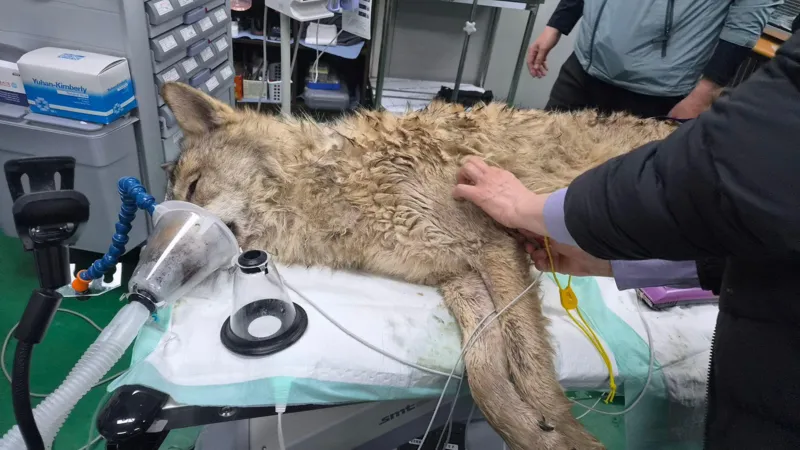
The breakthrough in the search came on the ninth day, when tracking teams identified the wolf’s location in a remote area. Using a combination of bait and tranquilizer darts, specialists were able to immobilize the animal without causing serious injury. The capture operation was described as carefully planned and executed, reflecting the challenges involved in handling a wild predator in a populated region.
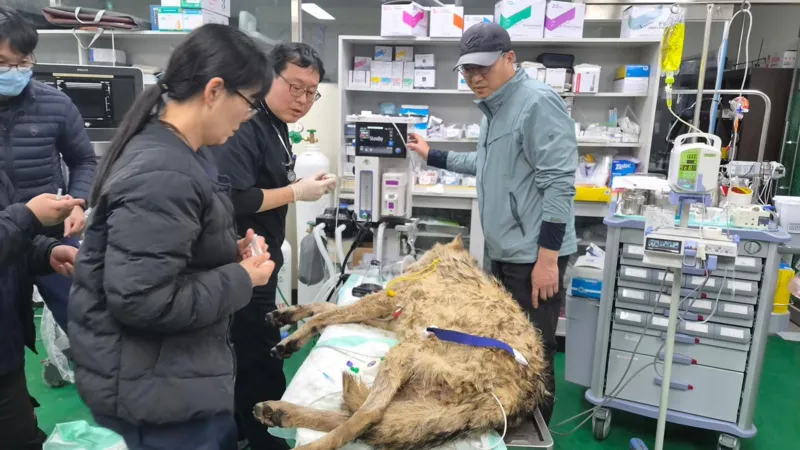
Following its capture, the wolf was transported to a secure facility where it will undergo veterinary examination and observation. Authorities have indicated that the animal’s health appears stable, although further assessments will be conducted to determine any stress or injury sustained during its time in the wild. Decisions regarding its long-term placement—whether it will be returned to its original enclosure, relocated, or transferred to a wildlife sanctuary—will depend on the outcome of these evaluations and the findings of the ongoing investigation.
The incident has sparked broader discussions about wildlife management policies in South Korea, particularly concerning the private ownership of potentially dangerous animals. Critics argue that stricter oversight and enforcement are needed to prevent similar occurrences, while others call for clearer guidelines on the responsibilities of animal owners. The case has also highlighted the importance of rapid response systems and public communication in managing unexpected wildlife incidents.
Environmental groups have used the opportunity to advocate for greater awareness of animal welfare and the ecological implications of keeping wild species in captivity. They emphasize that wolves, as apex predators, have specific behavioral and environmental needs that are difficult to replicate outside their natural habitats. When such animals escape, they not only pose potential risks to humans but also face significant challenges in surviving in unfamiliar surroundings.
At the same time, the successful capture without harm has been viewed as a positive outcome, demonstrating the effectiveness of coordinated efforts between authorities and experts. It also underscores the role of modern technology, such as drones and tracking systems, in enhancing wildlife management capabilities.
As investigations continue, officials are expected to review existing regulations and, if necessary, implement measures to strengthen oversight. The goal, according to authorities, is to ensure that public safety is not compromised while also maintaining humane treatment of animals.
For residents who lived through the nine-day ordeal, the capture brings a sense of relief and closure. What began as an unusual and unsettling situation has now concluded, but the lessons learned are likely to influence future policies and practices. The incident serves as a reminder of the delicate balance between human activity and wildlife, and the need for responsible stewardship in managing that relationship.