WOOW SO AMAZING,
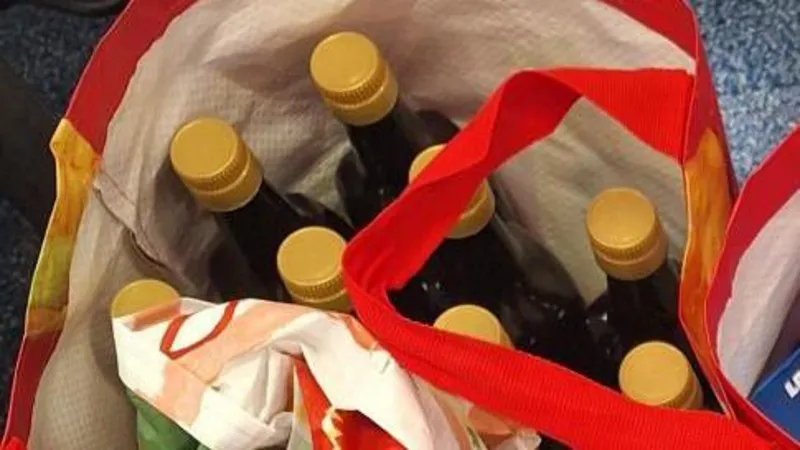
A routine security check has led to a series of arrests after a man was discovered carrying 20 bottles of olive oil under circumstances authorities have described as suspicious, sparking wider public discussion about retail theft, supply chain controls, and the evolving tactics used in everyday economic crimes. The unusual nature of the incident, which at first glance might appear trivial, has instead highlighted deeper concerns about organized shoplifting, the resale market for consumer goods, and the growing pressure on businesses to strengthen loss-prevention strategies in a changing economic environment.
According to preliminary reports, the individual was intercepted during what officials described as a targeted inspection, after security personnel noticed irregular behavior linked to the transport of a bulk quantity of olive oil. While olive oil is a common household item, the volume being carried—20 bottles—raised immediate suspicion, prompting further questioning and eventual detention. Authorities indicated that the situation quickly evolved beyond a simple inquiry when inconsistencies emerged in the individual’s explanation regarding the origin and intended use of the products.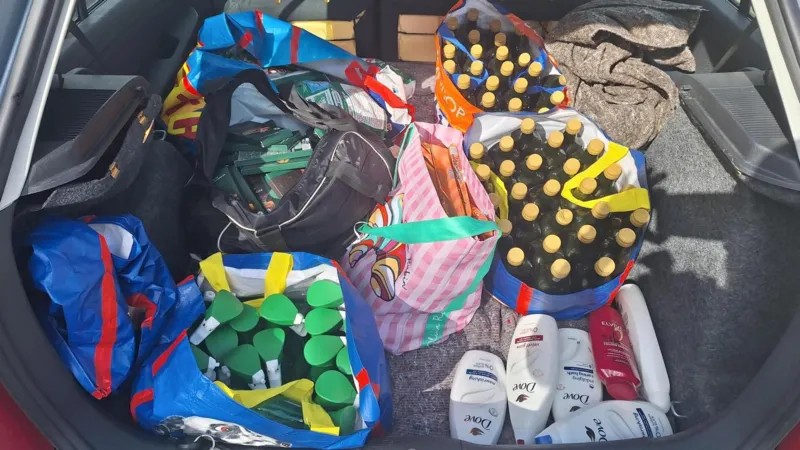
Investigators believe the case may be connected to a broader pattern of retail theft and unauthorized resale activities. In recent years, essential food items, including olive oil, have increasingly become targets for theft due to rising global prices and high consumer demand. Olive oil, in particular, has seen significant price fluctuations driven by supply constraints, climate-related production challenges, and increased consumption in international markets. As a result, it has gained unexpected status as a high-value commodity in certain contexts, making it attractive to individuals seeking quick resale profits.
Law enforcement officials involved in the case noted that the arrests were not limited to a single individual. Subsequent investigations led to the identification of additional suspects believed to be connected to the incident, suggesting the possibility of a coordinated effort rather than an isolated act. While details remain limited pending further inquiries, authorities have not ruled out the involvement of informal distribution networks that facilitate the movement and resale of stolen goods.
The incident has drawn attention to the broader issue of organized retail crime, a phenomenon that extends beyond petty shoplifting. Unlike opportunistic theft, organized retail crime often involves groups that systematically target specific products, accumulate large quantities, and distribute them through unofficial channels. These operations can be surprisingly sophisticated, sometimes involving multiple participants, logistical planning, and established resale outlets, both physical and online.
Retailers have increasingly voiced concerns about the financial impact of such activities. Losses attributed to theft—commonly referred to as “shrinkage”—can significantly affect profit margins, particularly in industries with already tight operating costs. For smaller businesses, repeated losses can threaten sustainability, leading to higher prices for consumers or even store closures. Larger retailers, while better equipped to absorb losses, still face challenges in balancing security measures with customer experience.
In response to these trends, many businesses have begun investing in enhanced security systems, including surveillance technology, electronic tagging, and data analytics to detect unusual purchasing or movement patterns. Staff training has also become a key component, enabling employees to identify suspicious behavior and respond appropriately. However, these measures come with their own costs and limitations, and determined offenders often adapt their tactics in response.
The olive oil incident underscores how even everyday items can become focal points in broader economic and criminal dynamics. Experts suggest that rising inflation and cost-of-living pressures may be contributing factors, as individuals seek alternative means of generating income or reducing expenses. While this does not justify illegal activity, it provides context for understanding why certain types of theft may be increasing.
Consumer awareness also plays a role in shaping the landscape. The existence of informal resale markets—whether through street vendors, small shops, or online platforms—creates demand for goods that may not always have clear or legitimate origins. Buyers, knowingly or unknowingly, can become part of a cycle that incentivizes theft and undermines legitimate businesses. Addressing this issue requires not only enforcement but also public education about the risks and consequences associated with purchasing goods from unverified sources.
Legal experts note that cases involving suspected organized theft are often complex, requiring thorough investigation to establish intent, coordination, and the flow of goods. Evidence may include surveillance footage, transaction records, and communication between suspects. Prosecutors must demonstrate that the individuals involved acted with knowledge and purpose, particularly when pursuing charges related to organized activity rather than simple possession.
At the same time, authorities must balance enforcement with fairness, ensuring that individuals are not wrongfully implicated or subjected to excessive penalties. The legal process provides mechanisms for defense and review, allowing suspects to present their accounts and challenge the evidence against them. This is especially important in cases where initial appearances may be misleading or where legitimate explanations for possession exist.
The public reaction to the incident has been mixed, reflecting a range of perspectives. Some view the arrests as a necessary step in addressing theft and protecting businesses, while others question whether the response is proportionate given the nature of the items involved. Social media discussions have highlighted both the seriousness of organized retail crime and the everyday struggles faced by individuals in difficult economic circumstances.
From a policy standpoint, the case may prompt renewed discussions about how best to address retail theft and related activities. Potential approaches include strengthening penalties for organized operations, improving coordination between law enforcement and businesses, and investing in community-based initiatives that address underlying economic challenges. Technology is also expected to play an increasing role, with innovations in tracking, authentication, and data analysis offering new tools for prevention and detection.
The supply chain dimension of the issue cannot be overlooked. Ensuring the integrity of goods from production to retail is essential for maintaining consumer trust and market stability. Disruptions or vulnerabilities at any point in the chain can create opportunities for unauthorized diversion or substitution, complicating efforts to trace the origin of products. Collaboration between manufacturers, distributors, and retailers is therefore critical in identifying and addressing potential risks.
As the investigation into the olive oil incident continues, authorities are expected to provide further updates on the scope and nature of the case. Key questions include whether the suspects were part of a larger network, how the goods were obtained, and where they were intended to be distributed. The answers to these questions will shape both the legal outcome and the broader understanding of the issue.
In the meantime, the case serves as a reminder that even seemingly minor incidents can reveal significant underlying trends. The intersection of economic pressures, consumer behavior, and criminal activity creates a complex environment in which everyday products can become part of larger challenges. Addressing these challenges requires a multifaceted approach that combines enforcement, education, and innovation.
For businesses, the incident reinforces the importance of vigilance and adaptability. As threats evolve, so too must the strategies used to counter them. This includes not only investing in security but also fostering a culture of awareness and accountability among staff and customers alike. Transparency and communication can help build trust and encourage cooperation in identifying and preventing suspicious activities.
For consumers, the situation highlights the value of informed purchasing decisions. Understanding where products come from and choosing reputable sources can contribute to a more stable and ethical marketplace. While individual actions may seem small, collectively they can influence demand and reduce the incentives for illicit activities.
Ultimately, the arrests linked to the man carrying 20 bottles of olive oil illustrate how a single event can resonate far beyond its immediate context. It brings into focus the interconnected nature of modern economies, where local incidents are shaped by global trends and individual actions can have wider implications. As authorities continue their work, the lessons drawn from this case are likely to inform future efforts to address similar challenges and promote a more secure and transparent commercial environment.