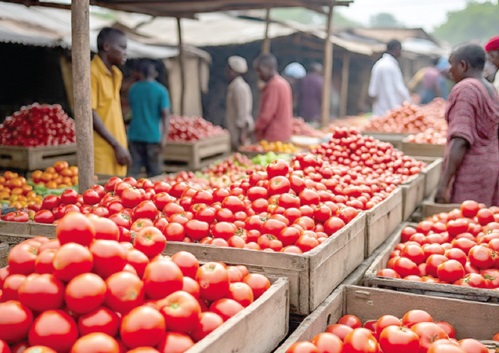
The recent ban on tomato exports from Burkina Faso has sparked widespread concern across West Africa, particularly in countries that rely heavily on cross-border agricultural trade. In response, government officials have initiated diplomatic talks aimed at resolving the issue and restoring the smooth flow of goods. The situation highlights the delicate balance between national policy decisions and regional economic cooperation, especially within interconnected agricultural markets.
Background of the Tomato Export Ban
Tomatoes are a staple ingredient in many West African cuisines, making them a highly traded agricultural commodity across borders. Burkina Faso has long been a key exporter of tomatoes to neighboring countries, supplying both fresh produce and processed products. However, the sudden imposition of an export ban disrupted supply chains, causing price fluctuations and shortages in importing countries.
The ban was reportedly introduced as a measure to stabilize domestic prices and ensure sufficient supply within Burkina Faso. Seasonal variations, coupled with rising production costs and climate-related challenges, have placed pressure on local farmers and consumers alike. By restricting exports, authorities aimed to prioritize domestic food security.
While the rationale behind the decision may be understandable, its impact has been far-reaching. Import-dependent countries have experienced sharp increases in tomato prices, affecting households, food vendors, and the broader hospitality sector.
Economic Impact Across the Region

The tomato export ban has had significant economic consequences, particularly for traders and small-scale businesses that rely on cross-border commerce. In many West African markets, informal trade networks play a crucial role in ensuring food availability. When these networks are disrupted, the effects are felt quickly and deeply.
In importing countries, traders have reported losses due to halted shipments and spoiled goods. Market women, who form a large portion of the agricultural trade workforce, have been especially affected. Many had already paid for consignments before the ban was announced, leaving them unable to recover their investments.
Consumers have also felt the strain. Tomatoes are a daily necessity in many households, and price hikes have forced families to either reduce consumption or seek alternatives. In some areas, the cost of tomatoes has doubled or even tripled, placing additional pressure on already stretched household budgets.
Government Response and Diplomatic Engagement
Recognizing the urgency of the situation, government officials have moved swiftly to engage with their counterparts in Burkina Faso. Diplomatic talks are currently underway, focusing on finding a mutually beneficial solution that addresses both domestic concerns and regional trade needs.
The discussions aim to explore several possible outcomes, including a partial lifting of the ban, the introduction of export quotas, or the establishment of price stabilization mechanisms. These measures could help ensure that Burkina Faso maintains adequate domestic supply while allowing limited exports to resume.
Officials have emphasiz ed the importance of maintaining strong bilateral relations and upholding regional trade agreements. West African countries are part of various economic blocs that promote free movement of goods and services. Prolonged trade restrictions could undermine these agreements and set a concerning precedent.
The Role of Regional Cooperation
The tomato export issue underscores the need for stronger regional coordination in agricultural policy. While individual countries have the right to implement measures that protect their domestic markets, such decisions can have unintended consequences for neighboring economies.
Regional bodies and trade organizations may play a key role in mediating the situation and providing a framework for sustainable solutions. By fostering dialogue and collaboration, these institutions can help prevent similar disruptions in the future.
One potential approach is the development of regional food security strategies that balance national interests with collective needs. This could include shared reserves, coordinated production planning, and improved data sharing on supply and demand trends.
Challenges Facing Tomato Production
The current crisis also brings attention to the broader challenges facing tomato production in West Africa. Farmers in Burkina Faso and beyond are grappling with issues such as climate change, pest infestations, and limited access to modern farming techniques.
Erratic rainfall patterns and prolonged dry seasons have made it increasingly difficult to maintain consistent yields. At the same time, rising costs of fertilizers, seeds, and transportation have squeezed profit margins for producers.
Investing in agricultural infrastructure and technology could help address these challenges. Improved irrigation systems, better storage facilities, and access to high-quality inputs can enhance productivity and reduce post-harvest losses.
Opportunities for Local Production
For importing countries affected by the ban, the situation presents an opportunity to boost local tomato production. Governments may consider implementing policies that support farmers, such as subsidies, training programs, and access to credit.
Encouraging domestic production can reduce reliance on imports and strengthen food security in the long term. However, achieving this requires sustained investment and careful planning. Short-term measures alone may not be sufficient to meet demand.
Urban agriculture initiatives and greenhouse farming could also play a role in increasing supply. These methods allow for year-round production and can be particularly effective in areas with limited arable land.
Market Adaptation and Innovation
In response to the shortage, some traders and businesses have begun exploring alternative supply sources. Imports from other countries and the use of processed tomato products have helped to partially fill the gap.
Innovation within the agricultural value chain is also emerging as a key theme. Entrepreneurs are developing new preservation techniques, such as drying and canning, to extend the shelf life of tomatoes and reduce waste.
Digital platforms are being used to connect farmers directly with buyers, improving market efficiency and transparency. These innovations could have lasting benefits beyond the current crisis.
Consumer Behavior and Dietary Shifts
The rise in tomato prices has prompted changes in consumer behavior. Some households are substituting tomatoes with other ingredients, while others are reducing portion sizes to manage costs.
Food vendors and restaurants have had to adjust their menus and pricing strategies. In some cases, these changes have led to reduced customer demand, further impacting the food service industry.
While these adaptations may provide temporary relief, they are not sustainable in the long run. Restoring stable supply and affordable prices remains a priority for both governments and consumers.
Prospects for Resolution
The ongoing talks between government officials offer hope for a resolution to the tomato export ban. Both sides have expressed willingness to find a compromise that addresses their respective concerns.
A phased approach to lifting the ban could be a viable solution. This would allow exports to resume gradually while monitoring the impact on domestic markets. Clear communication and coordination will be essential to ensure a smooth transition.
Transparency in decision-making and timely updates to stakeholders can also help rebuild trust and confidence in the market. Traders and consumers alike need assurance that similar disruptions will be managed more effectively in the future.
Long-Term Implications
The tomato export ban serves as a reminder of the interconnected nature of regional economies. Decisions made in one country can have ripple effects across borders, affecting millions of people.
Strengthening regional trade frameworks and investing in agricultural resilience are critical steps toward preventing future crises. By working together, West African countries can build a more stable and sustainable food system.
The situation also highlights the importance of balancing national priorities with regional responsibilities. Ensuring food security at home should not come at the expense of economic stability in neighboring countries.
Conclusion
The government’s move to engage in talks with Burkina Faso represents a proactive step toward resolving the tomato export ban. While challenges remain, the willingness to pursue dialogue and التعاون is a positive sign.
As discussions continue, stakeholders across the region will be watching closely. The outcome of these talks could set an important precedent for how similar trade disputes are handled in the future.
Ultimately, achieving a resolution will require compromise, cooperation, and a shared commitment to regional prosperity. By addressing both immediate concerns and underlying challenges, governments can turn this crisis into an opportunity for growth and stronger partnerships.
The road ahead may not be easy, but with sustained effort and collaboration, a balanced and lasting solution is within reach.