


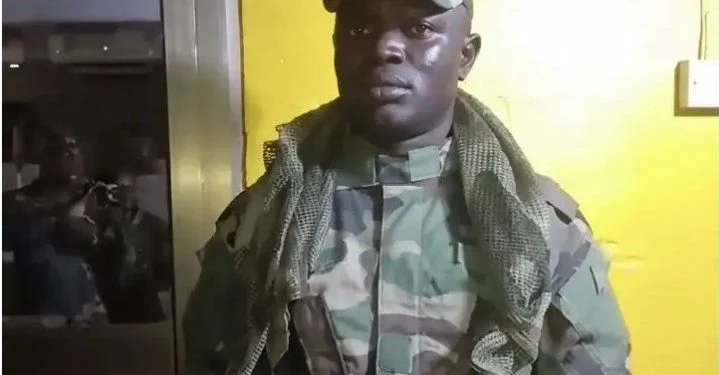
Trader in Court for Wearing Military Uniform to Impress Nurse at 37 Hospital
In a case that has sparked public debate about impersonation, trust, and the misuse of state security symbols, a trader has appeared before an Accra Circuit Court for allegedly posing as a military officer to impress a nurse at the renowned 37 Military Hospital.
Prosecutors say the accused, whose name has been withheld pending further proceedings, wore a Ghana Armed Forces uniform on multiple occasions despite having no affiliation with the military. His alleged motive, according to court filings, was to win the admiration of a nurse he had met at the facility.
The case has drawn significant attention not only because of the unusual personal motive behind the alleged impersonation but also because it touches on broader concerns about national security, identity fraud, and the sanctity of military symbols in Ghana.
Table of Contents
ToggleThe Allegations
According to the prosecution, the accused trader obtained a military uniform through unofficial channels and began wearing it during visits to the 37 Military Hospital. Investigators claim he introduced himself to hospital staff and members of the public as a serving officer in the Ghana Armed Forces.
Court documents indicate that the trader allegedly told the nurse he was a soldier stationed in Accra, suggesting that his rank and status would provide stability and prestige in a potential romantic relationship. The prosecution alleges that he took photographs of himself in the uniform and shared them with the nurse as proof of his supposed credentials.
His actions reportedly raised suspicion among genuine service members and hospital security personnel, leading to further scrutiny. It was during one of his visits that he was allegedly confronted and later handed over to law enforcement authorities for questioning.
How the Case Unfolded
Police investigators told the court that they were alerted after inconsistencies were discovered in the accused’s claims. When asked to produce official identification or service details, the trader allegedly failed to provide verifiable information.
Subsequent checks with the Ghana Armed Forces reportedly confirmed that his name did not appear in any official records. Authorities then charged him with impersonation and unlawful possession of military accoutrements.
During his initial court appearance, the accused pleaded not guilty. His lawyer argued that the uniform was worn as part of a “personal fantasy” and that his client did not intend to defraud the state or derive financial gain from the impersonation.
The presiding judge granted bail with conditions, including a requirement that the accused report regularly to the police and refrain from wearing any military attire while the case is pending.
Why Military Impersonation Is Serious
In Ghana, wearing a military uniform without authorization is considered a serious offense. Military attire is not merely clothing—it symbolizes authority, discipline, and national defense. Unauthorized use can undermine public trust and create security risks.
Legal experts note that impersonating a soldier can carry significant penalties, including fines or imprisonment, depending on the circumstances. Beyond legal consequences, such actions may also lead to public backlash, especially in a country where the armed forces are widely respected.
Security analysts have emphasized that impersonation can be exploited for criminal purposes, such as gaining access to restricted areas or intimidating civilians. While this particular case appears to be motivated by personal reasons, authorities maintain that any unauthorized use of military insignia must be treated with seriousness.
Public Reaction
News of the trader’s alleged actions has sparked mixed reactions across social media platforms. Some members of the public have ridiculed the accused, describing the case as an extreme example of going too far to impress someone romantically. Others, however, have expressed concern about the ease with which military uniforms can be acquired.
“Impersonating a soldier is not a joke,” said one security consultant interviewed by local media. “Even if his motive was love, it sets a dangerous precedent.”
Others have called for tighter regulation of military gear sales, arguing that uniforms should not be readily accessible to civilians.
The Role of 37 Military Hospital

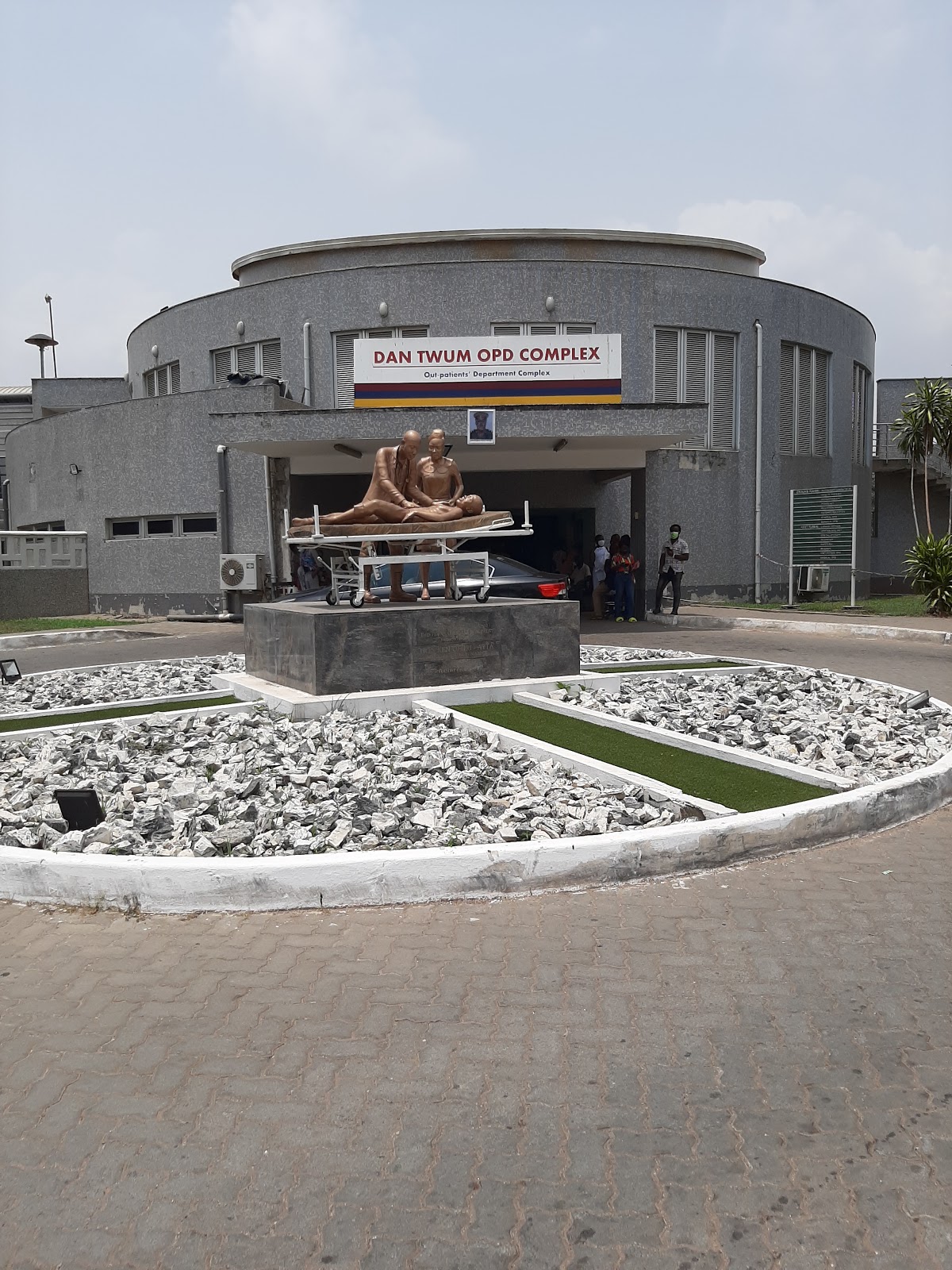

Established in 1941, the 37 Military Hospital is one of Ghana’s premier medical facilities. Originally built as a military hospital during World War II, it has since evolved into a major referral center serving both military personnel and civilians.
The hospital is known for its professionalism and high standards of care. Incidents involving impersonation within its premises are rare, making this case particularly unusual.
Hospital authorities have declined to comment extensively on the ongoing legal matter but confirmed that they are cooperating with investigators. They reiterated their commitment to maintaining strict security protocols to ensure the safety of staff and patients.
The Nurse at the Center of the Case
While much of the attention has focused on the accused trader, the nurse involved has largely remained out of the public eye. Colleagues describe her as a dedicated professional who was unaware of the alleged deception until suspicions were raised.
According to sources familiar with the matter, the nurse reportedly began to question the trader’s claims after noticing discrepancies in his stories about military life. She is said to have cooperated fully with investigators once the matter came to light.
Legal analysts note that the nurse is considered a witness in the case and not implicated in any wrongdoing.
Legal Perspectives
Legal practitioners observing the case say the prosecution will need to demonstrate that the accused knowingly and unlawfully presented himself as a member of the armed forces.
“The key issue will be intent,” explained a criminal law expert. “If the court finds that he deliberately misrepresented himself to gain some advantage—whether romantic or otherwise—then the charge of impersonation could stand.”
Defense counsel, however, is expected to argue that there was no malicious intent or attempt to access restricted areas, emphasizing that the accused’s actions were misguided but not criminally exploitative.
The court has adjourned proceedings to allow further investigations and witness testimonies.
Broader Implications
Beyond the courtroom drama, the case raises important questions about identity and authenticity in modern relationships. In an era where social media profiles and curated personas can blur the line between truth and fiction, the temptation to embellish one’s identity can be strong.
However, experts warn that assuming false identities—especially those tied to national security institutions—can have far-reaching consequences.
“This is not just about romance,” a sociologist commented. “It’s about trust. When people exploit symbols of authority for personal gain, it erodes confidence in institutions.”
Looking Ahead
As the case continues, it is likely to remain a topic of public interest. If convicted, the trader could face penalties that serve as a deterrent to others who might consider similar actions.
For now, the accused remains on bail, and the nurse has returned to her professional duties at 37 Military Hospital.
The incident serves as a cautionary tale about the lengths some individuals may go in pursuit of admiration—and the serious legal consequences that can follow when personal ambition crosses into unlawful territory.
A Lesson in Integrity
At its core, this case underscores the value of authenticity. While the desire to impress someone is a natural human impulse, experts agree that genuine connections are built on honesty rather than deception.
As the Accra Circuit Court prepares to hear further arguments, many Ghanaians will be watching closely—not only to see how justice is served, but also to reflect on the broader lessons about integrity, respect for national institutions, and the importance of being true to oneself.
The final verdict may take weeks or even months, but the message is already resonating: wearing a uniform carries weight and responsibility—and pretending to bear that responsibility can come at a high cost.
Related posts:
- Why Amasaman High Court concluded Agradaa’s 15-year jail term was ‘harsh and excessive’ and reduced it to 12 months
- Give cocoa farmers bailout not haircut – Minority to govt
- DR SAFO KANTANKAS SON AND OTHERS ARESTED BY GHANA POLICE OVER SHOOTING ADWOA SAFO FORMAL MP
- COCOBOD releases GH¢2.6m to LBCs to settle cocoa farmers

