


As digital technology becomes increasingly integrated into everyday life, cybersecurity experts are urging internet users to adopt stronger online safety practices to protect their personal accounts from cybercriminals. From social media platforms and online banking to email services and cloud storage, billions of people rely on digital accounts for communication, financial transactions, shopping, education, and entertainment. However, this growing dependence on online services has also created more opportunities for cyberattacks.
Security researchers continue to report an increase in phishing scams, ransomware attacks, identity theft, credential stuffing, and other forms of cybercrime targeting both individuals and organizations. Many of these attacks exploit weak passwords, outdated software, or a lack of awareness about common online threats.
Experts say that while technology companies continue to invest heavily in advanced security systems, users also play a critical role in safeguarding their digital identities. Simple cybersecurity habits can significantly reduce the risk of unauthorized access and financial loss.
The Growing Threat of Cybercrime
Cybercrime has evolved into one of the world’s fastest-growing criminal activities. Criminal groups are becoming increasingly sophisticated, using artificial intelligence, automated tools, and social engineering techniques to trick users into revealing sensitive information.
Hackers no longer focus solely on large corporations. Individuals have become attractive targets because personal accounts often contain valuable financial information, private communications, and personal identification data.
A compromised email account, for example, can provide attackers with access to password reset links for banking, shopping, and social media accounts. Similarly, stolen login credentials may be sold on underground marketplaces or used to launch further attacks.
Cybersecurity specialists warn that no one is completely immune to cyber threats, making proactive digital security more important than ever.
Create Strong and Unique Passwords
One of the simplest yet most effective cybersecurity measures is using strong, unique passwords for every online account.
A secure password should contain a combination of uppercase and lowercase letters, numbers, and special characters. Longer passwords are generally more difficult for attackers to crack using automated software.
Experts strongly discourage using easily guessed information such as birthdays, names of family members, phone numbers, or common words. Reusing the same password across multiple websites is another major security risk because if one account is compromised, attackers may attempt to use the same credentials on other services.
Password managers have become increasingly popular because they generate and securely store complex passwords, allowing users to maintain unique credentials without memorizing each one.
Enable Multi-Factor Authentication
Cybersecurity professionals consistently recommend enabling multi-factor authentication (MFA) whenever available.
MFA adds an additional layer of security by requiring users to verify their identity using a second method after entering a password. This verification may involve a one-time code generated by an authentication application, a security key, or biometric verification such as a fingerprint or facial recognition.
Even if attackers obtain a user’s password, MFA can prevent unauthorized access because they would also need the second authentication factor.
Many major technology companies now offer MFA as a standard security feature, and experts encourage users to activate it on email, banking, cloud storage, and social media accounts.
Beware of Phishing Scams
Phishing remains one of the most common cyber threats affecting internet users worldwide.
Attackers often send emails, text messages, or instant messages that appear to come from trusted organizations such as banks, delivery companies, government agencies, or technology firms. These messages typically attempt to create a sense of urgency, encouraging recipients to click malicious links or provide confidential information.
Cybersecurity professionals advise users to carefully verify sender addresses, inspect website URLs before entering login credentials, and avoid downloading unexpected attachments.
If an email claims immediate action is required, users should independently contact the organization through official communication channels rather than responding directly to the message.
https://rendergh.net/
Keep Software Updated
Software updates are essential for maintaining digital security.
Operating system developers and software companies regularly release updates that fix newly discovered security vulnerabilities. Delaying these updates may leave devices exposed to known exploits that attackers actively target.
Experts recommend enabling automatic updates whenever possible for operating systems, web browsers, mobile applications, antivirus software, and smart devices connected to the internet.
Keeping software current is one of the easiest ways to strengthen cybersecurity with minimal effort.
Secure Your Email Account
Because email often serves as the gateway to numerous online services, protecting it should be a top priority.
Users are encouraged to enable MFA, review recovery options regularly, and remove outdated recovery email addresses or phone numbers. Security experts also recommend checking account activity logs when available to identify unfamiliar login attempts.
Suspicious forwarding rules or unauthorized changes to account settings should be investigated immediately.
Protect Your Mobile Devices
Smartphones have become central to daily life, storing sensitive personal and financial information.
Users should protect mobile devices with strong PINs, biometric authentication, or complex passcodes. Downloading applications only from trusted sources significantly reduces the risk of installing malicious software.
Public charging stations should also be used cautiously, as compromised charging equipment could potentially expose devices to security risks. Carrying a personal charging adapter or power bank provides a safer alternative.https://rendergh.net/
Use Secure Wi-Fi Networks
Public Wi-Fi networks can expose users to cyber threats if proper precautions are not taken.
Experts recommend avoiding sensitive activities such as online banking or financial transactions while connected to unsecured public networks. When public Wi-Fi is necessary, using a reputable virtual private network (VPN) can help encrypt internet traffic and improve privacy.
Home Wi-Fi networks should also be secured with strong passwords, modern encryption standards, and updated router firmware.
Monitor Financial Accounts
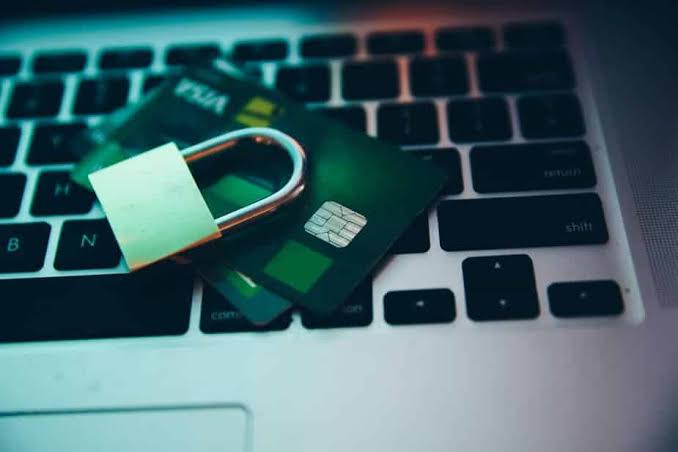
Regularly reviewing bank accounts, credit card statements, and digital payment services helps identify suspicious transactions early.
Financial institutions often provide instant transaction notifications that alert customers whenever purchases or transfers occur. Enabling these notifications allows users to respond quickly if unauthorized activity is detected.
Prompt reporting significantly improves the likelihood of limiting financial losses.
Recognize Social Engineering
Not every cyberattack relies on technical vulnerabilities. Many criminals manipulate human psychology through social engineering.
Attackers may impersonate colleagues, customer support representatives, friends, or family members to gain trust before requesting confidential information or money.
Experts recommend verifying unusual requests through independent communication channels, especially when financial transactions or sensitive information are involved.
Backup Important Data
Data backups remain one of the most effective defenses against ransomware and accidental data loss.
Users should maintain multiple backups of important documents, photos, and work files using secure cloud storage and offline storage devices. Regular testing ensures backups remain functional when needed.
Having reliable backups can minimize disruption if devices become infected with malware or experience hardware failure.
Be Cautious on Social Media
Oversharing personal information online can unintentionally assist cybercriminals.
Details such as birthdays, pet names, schools attended, travel plans, or family relationships are commonly used in password recovery questions or targeted scams.
Reviewing privacy settings regularly and limiting the visibility of personal information can reduce exposure to identity theft and social engineering attacks.
Educating Family Members
Cybersecurity is most effective when everyone in a household understands basic online safety practices.
Parents are encouraged to teach children about safe internet behavior, responsible social media use, privacy settings, and recognizing suspicious messages. Older adults may also benefit from guidance on identifying online scams and protecting financial information.
A shared awareness of cybersecurity strengthens protection across families.
Businesses Share Responsibility
Organizations also play an essential role in improving cybersecurity by providing employee training, implementing security policies, and investing in modern defensive technologies.
Regular security awareness programs help employees recognize phishing attempts, create strong passwords, and report suspicious activity promptly.
Companies increasingly view cybersecurity education as an ongoing process rather than a one-time training session.
The Future of Cybersecurity
Emerging technologies such as artificial intelligence, machine learning, and behavioral analytics are transforming digital security. These tools help identify unusual account activity, detect malware more quickly, and respond to cyber threats in real time.
At the same time, cybercriminals are adopting similar technologies to automate attacks and create increasingly convincing scams. This evolving landscape highlights the need for continuous innovation, collaboration, and public awareness.
Governments, technology companies, educational institutions, and cybersecurity professionals continue to work together to strengthen digital resilience through improved regulations, public education campaigns, and international cooperation.
Staying Safe in an Increasingly Digital World
As more aspects of daily life move online, cybersecurity is no longer solely the responsibility of technology experts. Every internet user has a role to play in protecting personal information and maintaining secure digital habits.
Creating strong passwords, enabling multi-factor authentication, keeping software updated, recognizing phishing attempts, securing devices, monitoring financial accounts, and backing up important data are practical steps that can significantly reduce cyber risks.
While no security measure can eliminate every threat, combining multiple layers of protection makes it considerably more difficult for cybercriminals to compromise online accounts. By remaining informed, cautious, and proactive, individuals and organizations alike can navigate the digital world with greater confidence and resilience, helping to create a safer online environment for everyone.

