


Accra, Ghana — Social media platforms have become a powerful source of information for millions of Ghanaians, providing instant access to news, opinions, and public discussions. However, the same platforms that have transformed communication are also becoming channels for the rapid spread of false information, misleading claims, and manipulated content.
From political statements and economic updates to health advice, celebrity rumours, and fabricated announcements, viral claims continue to circulate widely across platforms such as WhatsApp, Facebook, TikTok, X, and Instagram. Fact-checkers and media experts warn that some of these claims can influence public opinion, create unnecessary fear, and damage trust in legitimate sources of information.
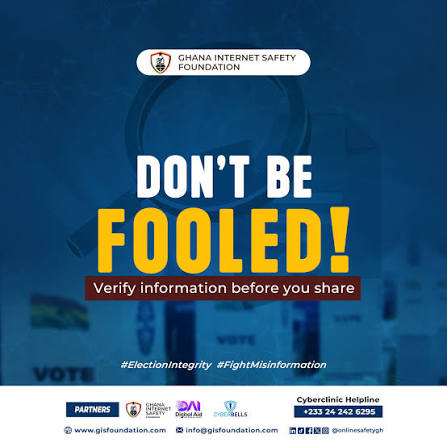
The growing challenge has prompted renewed calls for stronger digital literacy among social media users, with experts urging the public to verify information before sharing it.
The Rise of Viral Misinformation in Ghana
The increasing use of smartphones and affordable internet access has changed the way Ghanaians consume information. Instead of relying only on traditional media outlets such as newspapers, radio, and television, many people now receive breaking news through social media networks.
While this shift has created opportunities for faster communication, it has also reduced the time available for information verification. A message shared by a friend, family member, or influential online personality can quickly reach thousands of users before journalists or fact-checkers have an opportunity to examine its accuracy.
Experts describe this environment as a major challenge because misinformation often spreads faster than corrections. False stories may attract attention because they contain emotional language, shocking claims, or dramatic headlines that encourage users to share them immediately.
A misleading post about government policies, fuel prices, elections, banking systems, or public health can gain significant attention within hours, even when there is little evidence supporting the claim.
Common Types of False Claims Circulating Online
Fact-checking organizations monitoring Ghanaian social media spaces have identified several recurring categories of misinformation.
Political Misinformation
Political claims are among the most frequently shared forms of viral content. During election periods and major political events, social media platforms often experience an increase in manipulated images, fake statements attributed to public officials, and misleading interpretations of government decisions.
Some posts falsely claim that politicians have made announcements they never issued, while others use edited videos or old footage to create misleading impressions about current events.
Political misinformation can influence public perception and increase tensions, particularly when users share content without confirming whether it comes from a credible source.
Economic and Financial Scams
Economic misinformation is another major concern. Viral messages promising government financial assistance, investment opportunities, or quick ways to make money frequently circulate through messaging platforms.
Some fraudulent posts impersonate government agencies, banks, or established organisations in an attempt to collect personal information from unsuspecting users.
Cybersecurity experts advise the public to be cautious of messages requesting passwords, mobile money details, bank information, or payment before receiving supposed benefits.
Health-Related Claims
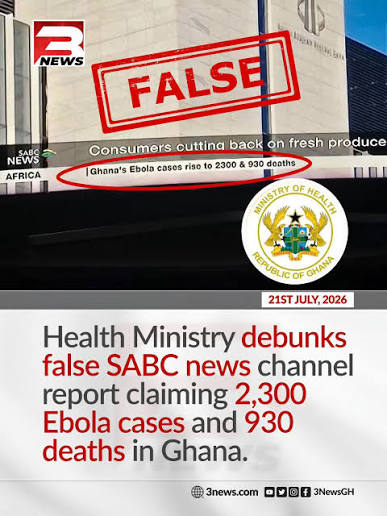
Health misinformation has also become a serious issue. False claims about medicines, disease prevention methods, and medical treatments can create confusion and potentially put lives at risk.
During global health emergencies, misleading information can spread rapidly, causing people to ignore professional medical advice or rely on unproven remedies.
Health experts encourage citizens to seek information from qualified medical professionals and trusted health institutions rather than relying solely on social media posts.
Celebrity and Entertainment Rumors
Entertainment-related misinformation is among the most widely shared content online. False reports about celebrity deaths, arrests, relationships, or controversies often attract thousands of reactions before being corrected.
Because such stories generate strong emotional responses, they can spread rapidly among online communities.
How Fact-Checkers Identify False Information

Fact-checking organizations use several methods to determine whether viral claims are accurate.
One of the first steps is examining the original source of information. A legitimate claim should usually be supported by official statements, credible news reports, or verified documentation.
Fact-checkers also analyse images and videos to determine whether they have been altered or taken out of context. Reverse image searches can reveal whether a photograph circulating online was originally published years earlier or connected to a different event.
Video verification techniques can also identify manipulated footage, including videos that have been edited to change the meaning of a speaker’s words.
Another important step is comparing claims with information from reliable sources. If a major announcement is genuine, it is likely to appear across multiple trusted news platforms or official communication channels.
Why People Share False Information
Researchers say people do not always share misinformation because they intend to deceive others. In many cases, users share false content because they believe it is accurate or because they want to warn others.
However, emotional reactions often influence online behavior. Content that creates fear, anger, excitement, or surprise is more likely to be shared quickly.
Experts say users should develop the habit of questioning information before forwarding it.
Simple questions can help determine whether a claim is reliable:
- Who published this information?
- Is there evidence supporting the claim?
- Has a trusted news organisation reported it?
- Is the headline designed to create panic or excitement?
- Is the information current or taken from an old event?
The Role of Media Literacy
Media literacy has become increasingly important as digital platforms continue to expand.
Education experts believe citizens need skills that help them evaluate online information critically. These skills include understanding how news is produced, recognizing unreliable sources, identifying manipulated content, and checking evidence before sharing information.
Schools, universities, media organizations, and civil society groups have increased efforts to promote digital awareness among young people and communities.
Young Ghanaians, who represent a significant portion of social media users, are considered particularly important in efforts to reduce misinformation.
Technology Companies and Their Responsibility
Social media companies have also faced pressure to address misinformation on their platforms.
Technology experts argue that platforms should improve systems for detecting fake accounts, manipulated content, and coordinated campaigns designed to spread false information.
However, experts acknowledge that technology alone cannot solve the problem. Human judgement remains essential because misinformation often involves complex issues that require context and analysis.
The Importance of Responsible Sharing

Journalists and communication experts continue to encourage social media users to take responsibility for the information they share.
A simple decision not to forward an unverified message can prevent misinformation from reaching hundreds or thousands of people.
Experts recommend that users:
- Verify information before sharing.
- Check the credibility of sources.
- Avoid spreading sensational claims.
- Report suspicious content.
- Follow trusted news and fact-checking platforms.
Conclusion: Building a More Reliable Digital Space
As Ghana’s digital landscape continues to grow, misinformation is likely to remain a challenge. The speed and reach of social media mean that false claims can spread quickly, but informed users can play a major role in limiting their impact.
Fact-checking is not only the responsibility of journalists and media organisations. Every social media user has a role in protecting the accuracy of public information.
By developing stronger verification habits and promoting digital literacy, Ghana can build a more responsible online environment where accurate information is valued and misinformation is challenged before it causes harm.
In an era where a single social media post can influence thousands of people within minutes, the ability to separate fact from fiction has become one of the most important skills for modern citizens.

