


July 31, 2026 ,The global smartphone industry welcomed another major milestone today as a leading technology company officially unveiled its latest flagship smartphone during a highly anticipated launch event. The new device introduces a combination of advanced artificial intelligence, next-generation camera technology, extended battery life, and improved performance, reflecting the growing competition among smartphone manufacturers to deliver more intelligent and user-friendly mobile experiences.
The launch attracted worldwide attention from technology enthusiasts, industry analysts, developers, retailers, and consumers eager to see the latest advancements in mobile computing. The unveiling was streamed live across multiple digital platforms, reaching millions of viewers within the first few hours. The event showcased not only the smartphone itself but also the company’s broader vision for integrating artificial intelligence into everyday digital life.
According to company executives, the new smartphone has been designed to meet the changing needs of modern users who increasingly rely on mobile devices for communication, entertainment, education, business, photography, health monitoring, and productivity. The device combines powerful hardware with intelligent software to create a more personalized and efficient user experience.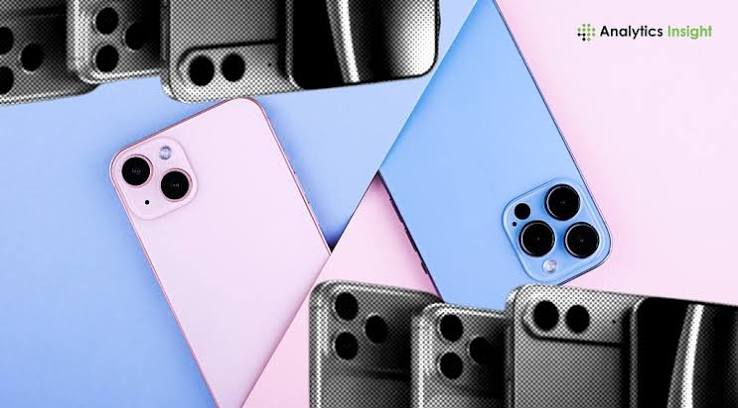
One of the most talked-about features introduced during the event is an advanced AI assistant integrated directly into the operating system. Unlike traditional voice assistants, the new system is capable of understanding context, learning user preferences over time, summarizing messages, organizing schedules, translating conversations in real time, and assisting with writing tasks. Demonstrations showed how users could complete complex tasks using natural language commands without opening multiple applications.
The smartphone is powered by the company’s newest processor, manufactured using an advanced semiconductor process that delivers higher performance while consuming less energy. Engineers explained that the chip includes a dedicated neural processing unit capable of handling billions of AI operations every second. This specialized hardware allows machine-learning features to operate locally on the device, reducing dependence on cloud computing and improving both speed and privacy.
Photography continues to be a major focus for smartphone manufacturers, and the latest model introduces significant camera improvements. The device features a redesigned multi-lens camera system equipped with larger image sensors, enhanced optical stabilization, and AI-powered image processing. During the presentation, company representatives demonstrated improved low-light photography, faster autofocus, enhanced portrait mode, and high-resolution video recording.
Artificial intelligence plays a central role in the camera experience. Instead of relying solely on hardware upgrades, the smartphone analyzes lighting conditions, identifies subjects, adjusts exposure, removes unwanted reflections, and enhances image quality automatically. Users can also remove background distractions, improve facial expressions, and generate creative edits using built-in AI tools.
Video creators are expected to benefit from new recording capabilities that support higher resolutions, cinematic stabilization, automatic scene recognition, and professional color grading options. Content creators increasingly rely on smartphones for producing videos for social media, online education, marketing, and journalism, making these enhancements particularly attractive.
Battery performance has also received considerable attention. Company engineers claim that the smartphone delivers all-day battery life under typical usage conditions. Improvements result from a combination of a larger battery, more efficient processor architecture, adaptive software optimization, and intelligent background task management. Fast charging technology enables users to recharge a significant percentage of the battery within a short period, while wireless charging capabilities have also been upgraded.
Display technology represents another highlight of the new product. The smartphone features a high-resolution OLED screen with adaptive refresh rates designed to provide smoother scrolling, improved gaming performance, and better energy efficiency. Higher brightness levels enhance outdoor visibility, while advanced eye-comfort technologies reduce blue light exposure during extended use.
Security remains a key priority. The smartphone introduces multiple layers of protection, including upgraded facial recognition, an ultrasonic fingerprint sensor, encrypted storage, secure biometric authentication, and expanded privacy controls. The company emphasized that many AI functions operate directly on the device, reducing the amount of sensitive information transmitted to external servers.
Environmental sustainability was another major theme throughout the launch presentation. Executives announced that the smartphone incorporates recycled aluminum, recycled rare earth materials, and responsibly sourced components wherever possible. Packaging has been redesigned to minimize waste, while manufacturing facilities continue transitioning toward renewable energy sources.
The company also highlighted improvements in software longevity. Customers purchasing the device can expect several years of operating system updates and security patches, extending the useful lifespan of the smartphone while reducing electronic waste. Industry observers have increasingly encouraged manufacturers to support devices for longer periods as consumers hold onto smartphones longer than in previous years.
Developers attending the launch expressed particular interest in new software tools introduced alongside the smartphone. Updated application programming interfaces provide greater access to on-device AI capabilities, enabling developers to create applications that leverage image recognition, language understanding, predictive assistance, and intelligent automation without relying entirely on cloud infrastructure.
Gaming performance has also been significantly enhanced. The upgraded graphics processor supports advanced rendering technologies, higher frame rates, lower latency, and improved thermal management. Combined with the high-refresh-rate display, these improvements promise smoother gameplay for mobile gamers. Several game developers announced plans to optimize upcoming titles specifically for the new hardware platform.
Business users are expected to benefit from expanded productivity features. Enhanced multitasking allows users to run multiple applications simultaneously with improved efficiency. AI-powered document summarization, meeting transcription, language translation, and intelligent email organization are designed to reduce administrative workloads while improving workplace productivity.
Health and wellness applications continue to expand within the smartphone ecosystem. The device integrates with wearable accessories to monitor physical activity, sleep quality, heart rate, and other wellness indicators. New AI algorithms analyze long-term trends to provide users with personalized recommendations related to fitness and daily routines.
Accessibility improvements received strong attention during the announcement. New features include real-time speech transcription, improved screen reading capabilities, customizable voice controls, enhanced visual assistance, and more accurate live captioning. These additions aim to make smartphone technology more inclusive for users with different accessibility needs.
Industry analysts believe the launch reflects broader trends currently shaping the smartphone market. Artificial intelligence has rapidly become one of the most competitive areas of consumer technology, with manufacturers racing to integrate smarter digital assistants, intelligent photography, personalized recommendations, and automated workflows directly into mobile devices.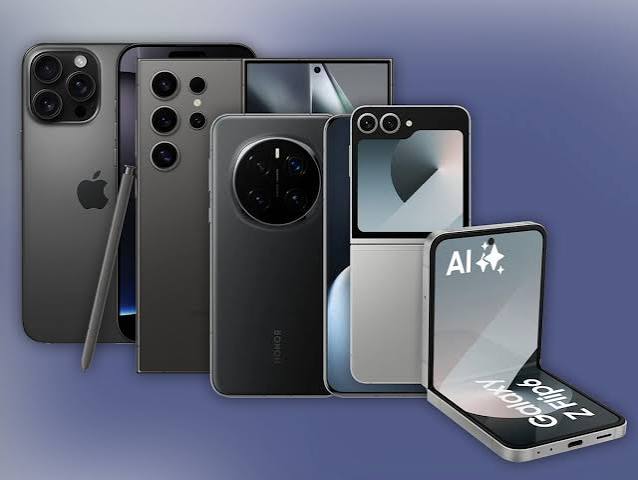
Market researchers note that smartphone sales have experienced fluctuations in recent years as consumers extend replacement cycles. Manufacturers are therefore focusing on meaningful innovation rather than incremental hardware improvements alone. AI capabilities are increasingly viewed as the next major differentiator capable of encouraging consumers to upgrade existing devices.
Retail partners expect strong consumer interest during the initial launch period. Pre-orders are scheduled to begin immediately following the announcement, with availability expanding across major international markets over the coming weeks. Multiple storage configurations and color options will allow customers to select models based on their preferences and budgets.
Mobile network operators are also preparing promotional offers tied to the device’s release. Telecommunications companies anticipate increased demand for high-speed data plans as consumers take advantage of advanced AI services, cloud gaming, high-resolution video streaming, and enhanced communication features supported by modern 5G infrastructure.
Technology reviewers who received early demonstration units praised several aspects of the smartphone, including its display quality, processing speed, camera improvements, battery optimization, and AI-powered productivity tools. However, comprehensive reviews evaluating long-term performance, software stability, durability, and battery endurance are expected following wider consumer availability.
Competition within the premium smartphone market remains intense. Major manufacturers continue investing billions of dollars in semiconductor research, artificial intelligence, computational photography, display innovation, battery technology, and software ecosystems. As a result, consumers are benefiting from increasingly sophisticated devices that blur the line between traditional smartphones and portable computers.
Experts believe future smartphone development will increasingly emphasize personalized artificial intelligence capable of anticipating user needs while maintaining strong privacy protections. Rather than functioning simply as communication devices, smartphones are evolving into intelligent personal assistants capable of managing information, automating routine tasks, and supporting creative work.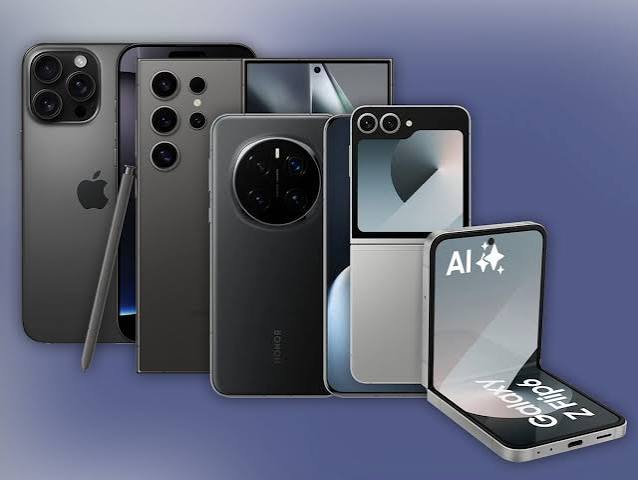
Educational institutions and businesses are also expected to benefit from improved mobile computing capabilities. Students can access AI-powered learning tools, while professionals gain advanced collaboration features that support remote work, multilingual communication, and real-time information management.
The launch also illustrates the growing convergence of hardware and software design. Rather than emphasizing technical specifications alone, manufacturers now focus on delivering integrated experiences where processors, cameras, operating systems, cloud services, and AI models work together seamlessly to improve everyday tasks.
Consumer expectations continue to rise as smartphones become central to daily life. Buyers increasingly seek devices capable of handling photography, entertainment, financial management, health tracking, navigation, education, productivity, and communication through a single platform. Manufacturers therefore face mounting pressure to deliver comprehensive ecosystems instead of isolated hardware improvements.
Industry experts expect the newly launched smartphone to influence broader market trends over the coming year. Competing manufacturers will likely introduce similar AI-powered features, further accelerating innovation across the global smartphone industry. Consumers can expect rapid advancements in personalized digital assistants, on-device machine learning, computational photography, battery efficiency, and intelligent productivity applications.
As pre-orders begin and the smartphone reaches retail stores worldwide, customer feedback will ultimately determine its long-term success. Nevertheless, today’s launch represents another important chapter in the continuing evolution of mobile technology, highlighting how artificial intelligence is becoming deeply integrated into everyday consumer electronics. Whether through smarter photography, enhanced productivity, stronger security, improved accessibility, or more efficient performance, the latest flagship smartphone demonstrates the industry’s ongoing commitment to making mobile devices more capable, more intelligent, and more useful than ever before.

