


The world is becoming increasingly digital, and technology is changing the way people live, learn, and work. In Ghana, digital skills have become essential for individuals seeking employment and businesses looking to grow in a competitive economy. Digital skills refer to the ability to use computers, smartphones, the internet, software applications, and other digital technologies effectively. These skills range from basic computer literacy to advanced abilities such as programming, graphic design, digital marketing, data analysis, and cybersecurity.
As Ghana continues its digital transformation, more jobs are being created in various sectors because of technology. Young people, entrepreneurs, and professionals are using digital skills to earn income, start businesses, and provide services both locally and internationally. The government’s investment in digital infrastructure, online education, and innovation has also contributed to the growing demand for digital talent. This essay explores how digital skills are creating jobs in Ghana, the opportunities available, the challenges faced, and the way forward.
The Growth of the Digital Economy in Ghana
Over the past decade, Ghana has experienced rapid growth in internet access, mobile phone usage, and digital financial services. More businesses now rely on technology to improve their operations, communicate with customers, and sell products online. The expansion of mobile money, e-commerce, online banking, and digital government services has created a strong foundation for the digital economy.
As companies adopt new technologies, they require workers with digital skills to manage websites, operate computer systems, analyze data, provide customer support, and maintain digital platforms. This has increased employment opportunities for people with the right knowledge and skills.
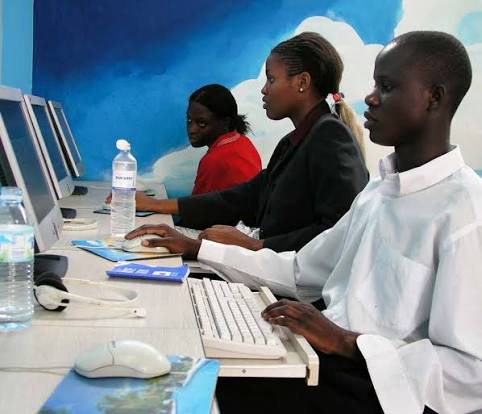 Digital Skills and Employment Opportunities
Digital skills have opened doors to many employment opportunities across different industries in Ghana. One of the fastest-growing areas is information technology (IT), where software developers, web designers, network administrators, and cybersecurity professionals are in high demand. These professionals help businesses build secure digital systems and improve their online presence.
Another growing field is digital marketing. Businesses now use social media platforms, websites, email marketing, and online advertisements to reach customers. As a result, digital marketers, content creators, social media managers, and search engine optimization (SEO) specialists are finding employment in both large companies and small businesses.
Graphic designers and video editors are also benefiting from the digital economy. Companies require attractive logos, advertisements, promotional videos, and social media content to market their products and services. Skilled designers can work for organizations or operate as freelancers serving clients across the world.
Freelancing and Remote Work
Digital skills have made it possible for many Ghanaians to work remotely without leaving the country. Through freelancing platforms, skilled individuals provide services such as writing, programming, graphic design, virtual assistance, transcription, translation, and digital marketing to international clients.
Remote work allows young professionals to earn competitive incomes while working from home or shared workspaces. This reduces unemployment and creates opportunities for people living in both urban and rural communities, provided they have reliable internet access and the necessary digital skills.
Entrepreneurship and Online Businesses
Technology has empowered many young entrepreneurs to establish online businesses with relatively low startup costs. Instead of renting expensive shops, many business owners now sell products through social media, e-commerce websites, and mobile applications.
Online businesses include:
- Fashion and clothing stores
- Food delivery services
- Beauty and cosmetics shops
- Electronics sales
- Handmade crafts
- Online bookstores
- Digital education services
Entrepreneurs use digital payment systems, online advertising, and delivery services to reach customers throughout Ghana. These businesses create additional jobs for delivery riders, customer service representatives, digital marketers, photographers, and website developers.
Growth of E-Commerce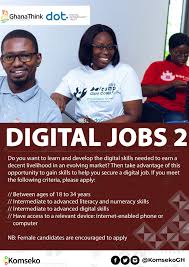
E-commerce has transformed the way Ghanaians buy and sell goods. Customers can order products online and receive them at their homes or workplaces. As online shopping continues to grow, new jobs have emerged in logistics, warehousing, customer support, inventory management, and delivery services.
Businesses also require software developers, payment system specialists, and cybersecurity experts to maintain secure online shopping platforms. This demonstrates how digital skills support employment across multiple sectors of the economy.
Digital Financial Services
The growth of digital financial services has created thousands of jobs in Ghana. Mobile money services, digital banking, online payment systems, and financial technology (FinTech) companies require skilled workers to develop applications, manage transactions, analyze financial data, and provide customer support.
Many agents operate mobile money businesses, creating self-employment opportunities while improving financial inclusion. Technology has also enabled small businesses to accept digital payments, making commerce more efficient.
Online Education and Digital Learning
The education sector has also benefited from digital transformation. Teachers now use online platforms to deliver lessons, while students access educational resources through the internet. Online learning has created jobs for educational content developers, instructional designers, online tutors, software developers, and technical support specialists.
Digital learning platforms enable professionals to acquire new skills in programming, data analysis, graphic design, and digital marketing. As more people gain these skills, they become better prepared for the modern job market.
Agriculture and Digital Technology
Agriculture remains one of Ghana’s most important economic sectors. Digital technology is helping farmers improve productivity and access larger markets. Mobile applications provide information about weather conditions, crop prices, farming techniques, and pest control.
Young entrepreneurs are developing agricultural technologies that connect farmers with buyers, suppliers, and financial institutions. These innovations create employment opportunities for software developers, agricultural consultants, data analysts, and customer support personnel.
Healthcare and Digital Jobs
The healthcare industry is increasingly using digital technologies to improve patient care. Hospitals and clinics use electronic medical records, telemedicine services, and digital appointment systems.
Healthcare facilities require IT professionals to maintain computer systems, secure patient data, and support healthcare workers. Developers also create health applications that help citizens monitor their well-being and access medical information.
Government Initiatives
The Government of Ghana has introduced several initiatives to promote digital transformation. Investments in digital infrastructure, online public services, and technology education have encouraged innovation and entrepreneurship.
Government agencies increasingly use digital systems for tax collection, passport applications, driver’s licenses, and business registration. These digital services require skilled professionals to design, operate, and maintain secure systems.
Training programmes that teach coding, digital literacy, and entrepreneurship also prepare young people for employment in the digital economy.
The Importance of Digital Literacy
Basic digital literacy is becoming a requirement for many jobs. Employers expect workers to know how to use computers, word processors, spreadsheets, presentation software, email, and the internet.
Employees with digital skills perform tasks more efficiently, communicate effectively, and adapt quickly to new technologies. Continuous learning is therefore essential as technology continues to evolve.
Challenges Facing Digital Employment
Despite the many opportunities, several challenges remain. Some communities still have limited internet connectivity, making it difficult for residents to access online jobs and digital learning opportunities. High internet costs and unreliable electricity also affect productivity.
Another challenge is the digital skills gap. Many job seekers lack the advanced technical skills required by employers. Some educational institutions also face shortages of computers, internet access, and qualified ICT instructors.
Cybersecurity threats such as online fraud, hacking, and identity theft can discourage businesses and individuals from embracing digital technologies. Continuous investment in cybersecurity education and digital safety is therefore necessary.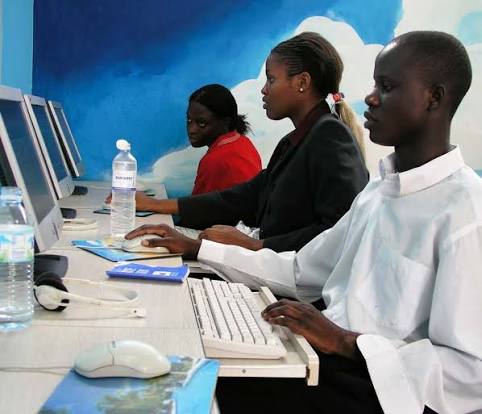
The Way Forward
To maximize the benefits of digital skills, Ghana should continue investing in affordable internet access, reliable electricity, and quality ICT education. Schools should integrate practical digital training into their curricula from the basic level through higher education.
Partnerships between government, educational institutions, and private companies can provide internships, apprenticeships, and certification programmes that prepare students for digital careers.
Young people should also embrace lifelong learning by taking advantage of online courses, workshops, and professional certifications. Learning new digital skills such as coding, artificial intelligence, cloud computing, cybersecurity, and digital marketing will improve their employability.
Entrepreneurs should continue using technology to solve local problems and create innovative businesses that generate employment for others.
Conclusion
Digital skills are transforming Ghana’s economy by creating employment opportunities across many industries. From software development and digital marketing to e-commerce, online education, agriculture, healthcare, and financial technology, technology has become a powerful engine of job creation. Many Ghanaians are now working remotely, freelancing, or building successful online businesses that serve customers both locally and internationally.
Although challenges such as limited internet access, inadequate training, and cybersecurity risks remain, the future of digital employment in Ghana is promising. With continued investment in education, infrastructure, and innovation, digital skills will empower more young people to secure meaningful employment, start successful businesses, and contribute to national development. By embracing technology and continuously improving their digital competencies, Ghanaians can take full advantage of the opportunities offered by the digital economy and help build a more prosperous and inclusive future for the nation.

