


1. What Are Foreign Exchange Reserves and Why Do They Matter?
1.1. Purpose of Reserves
Foreign exchange reserves are assets held by a central bank — usually in foreign currencies, gold, or other liquid assets — to support its currency and economy. They are critical for:
-
Maintaining confidence in the central bank’s ability to meet external obligations
-
Supporting the value of the local currency on foreign exchange markets
-
Financing imports and external debt
-
Acting as a buffer in times of global economic stress
Reserves typically include:
-
Foreign currencies held in cash or financial instruments (e.g., U.S. dollars, euros)
-
Gold
-
Special Drawing Rights (SDRs) from the IMF
-
Other reserve assets
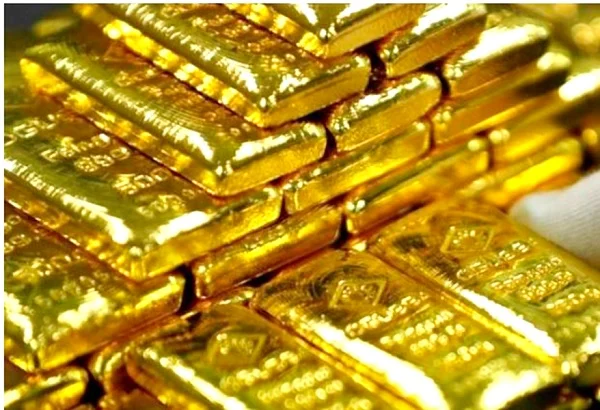
Gold is historically valued because it does not default, has no credit risk, and often holds steadier value over the long term compared with paper currencies.
1.2. Ghana’s Reserve Composition Before the Change
By the latter part of 2025, a remarkable accumulation of gold had taken place. Ghana’s gold reserves rose to around 38 tonnes, with gold forming more than 40 per cent of the country’s foreign exchange reserves — significantly above levels held by many comparable central banks.
This accumulation was driven by multiple policy initiatives, including the Domestic Gold Purchase Programme, which sought to bring more gold into official reserves and reduce reliance on foreign exchange inflows tied solely to exports or borrowing.
2. The Context: Ghana’s Macroeconomic Landscape in 2025
2.1. Economic Challenges and Recovery
Ghana’s economy has been recovering from a severe debt crisis and currency instability that reached a climax in 2022. The cedi saw significant depreciation, inflation surged, and foreign exchange reserves were strained. In response, the BoG and government implemented fiscal adjustment, structural reforms, IMF-supported programs, and reserve-building strategies.
By late 2025, inflation had fallen sharply from double-digit levels, with strong macroeconomic indicators reflecting stabilization. For example, gross international reserves had grown to around US$13.8 billion, providing 5.7 months of import cover — a significant improvement.
2.2. Surge in Gold Prices
A major external factor was a historic surge in global gold prices. Spot gold prices climbed above US $5,200 per ounce, reaching record levels in January 2026.
High gold prices enhance the value of gold reserves but also make gold holdings more expensive to replace if sold. This dual dynamic prompted careful deliberation: should the BoG retain large gold stocks at peak prices or realize gains and rebalance the reserve portfolio?
3. The Core Rationale for Reducing Gold Reserves
The Bank of Ghana has communicated several key reasons — grounded in reserve management principles — for reducing gold holdings by about half.
3.1. Reduce Concentration Risk
The most prominent rationale is concentration risk. Gold had grown to over 40 per cent of total reserves, significantly higher than the 20–25 per cent range typical among peer central banks.
Concentration risk refers to the danger of holding too much of one asset type. While gold is valuable, heavy reliance on it exposes reserves to:
-
Price volatility
-
Liquidity limitations
-
Asset concentration that may reduce portfolio resilience
By rebalancing, the Bank sought to reduce exposure to a single asset class, aligning with global best practices.
3.2. Diversify into Income-Generating Assets
Gold does not pay interest or dividends. Foreign exchange assets — such as U.S. Treasuries, euro-denominated bonds, or other sovereign instruments — generate steady income and offer greater liquidity. The BoG sold some gold and reinvested proceeds into foreign currency assets expected to yield returns.
This diversification has two main benefits:
-
Improved liquidity: Easier to use in times of need (e.g., to intervene in currency markets or finance imports)
-
Higher reserve returns: Supports reserve accumulation over time
The Governor emphasized that the proceeds are still part of Ghana’s international reserves and are contributing to stronger reserve levels.
3.3. Enhance Reserve Management Flexibility
Foreign exchange reserves give the Bank more flexibility to manage:
-
Balance-of-payments pressures
-
Exchange rate dynamics
-
External shocks
Gold, while valuable, can be less adaptable in short-term interventions. Converting some gold into FX improves the Bank’s capacity to respond in real time to domestic and global challenges.
3.4. Avoid Over-Dependence on Transitory Price Gains
Although gold prices were at record highs in late 2025 and early 2026, the BoG cautioned that this rally may not be permanent. Selling some gold at high prices while diversifying into other assets was seen as prudent risk management rather than speculation.
4. Implementation: How the Reduction Occurred
4.1. Timing and Scale
The reduction from roughly 38 tonnes to about 18.6 tonnes occurred between September and December 2025 — a rapid adjustment over a short period.
This pace indicates an active divestment strategy, not a gradual run-down. Analysts see this as intentional portfolio restructuring rather than emergency liquidation.
4.2. Market Conditions
Gold prices peaked around the time of the sale, meaning the Bank likely realized substantial value from the sales. However, the decision was not driven by opportunistic trading alone but by broader strategic objectives.
4.3. Continued Reserve Growth
Despite reducing gold holdings, total reserves grew. The gross international reserves position improved over 2025, showing that diversification did not weaken external buffers.
5. Strategic Reserve Management and International Best Practices
5.1. Benchmarking Against Peers
Many central banks worldwide maintain diversified reserve portfolios with gold comprising between 10 – 30 per cent. Ghana’s exposure, above 40 per cent, was unusually high by comparison.
Reducing gold weight toward a peer-aligned ratio helps:
-
Enhance policy credibility
-
Improve risk management
-
Facilitate comparability with similar economies
5.2. Global Central Bank Gold Trends
While some central banks actively add gold to reserves, others adjust holdings in response to specific economic contexts. What matters most is alignment with institutional objectives, such as stability, liquidity, and yield.
Ghana’s move, therefore, reflects a context-specific reserve strategy, not an outlier reaction.
6. Broader Economic and Policy Context
6.1. Role of Domestic Gold Initiatives
The Bank’s gold stock increase in 2025 resulted partly from domestic gold purchasing policies and regulatory reforms (e.g., supervision of artisanal mining and GoldBod initiatives). These domestic efforts boosted reserves and foreign exchange inflows, helping create a platform for strategic rebalancing.
6.2. Monetary Policy and Inflation
Improved macroeconomic performance — including reduced inflation and confidence in monetary policy — provided the Bank with room to undertake reserve restructuring without triggering market instability.
6.3. IMF and International Support
IMF reviews emphasized transparency and proper accounting around gold reserve operations. The fund urged that quasi-fiscal costs from trading margins be appropriately reflected, underscoring prudential oversight.
This international scrutiny and guidance helped shape the Bank’s strategic shift.
7. Risks and Challenges Associated with the Strategy
Although the rebalancing decision was rooted in strong reasoning, it also comes with challenges and risks.
7.1. Public Perception and Communication
Many stakeholders view gold sentimentally as a national asset. Reducing gold reserves could be misinterpreted as weakening national wealth. The BoG has had to clarify that this was a strategic move, not a loss of sovereign assets.
7.2. Market Timing Risk
Selling gold at peak prices can be beneficial, but reversing the decision if prices continue to rise further could carry opportunity cost. However, effective reserve management prioritizes diversification over speculation.
7.3. Dependence on Foreign Currency Markets
Increasing foreign currency holdings exposes reserves to exchange rate risks and global market volatility. This requires active risk management and hedging strategies.
7.4. Operational and Accounting Transparency
The BoG and IMF have emphasized transparency around the accounting and handling of gold-related operations to ensure that reserve and balance-sheet positions remain robust.
8. Critical Perspectives and Public Debate
There have been some critiques and debates around the move:
8.1. Loss of Strategic Gold Holdings?
Critics argue that gold is a historically safe asset that should be held long term, especially for countries with strong mining sectors. However, central banking practice balances safety with liquidity and return objectives.
8.2. Alternative Risk Management Tools
Some analysts suggested that hedging could be used instead of selling gold. However, hedging carries significant costs and complexity that may outweigh its benefits, making direct sales more pragmatic.
9. What This Means for Ghana’s Economy
9.1. Stronger Fundamentals
The strategy reflects stronger fundamentals and a more confident central bank that can take proactive measures without jeopardizing confidence or stability.
9.2. Improved Liquidity
Foreign currency assets allow the BoG to more actively manage the cedi, support trade financing, and respond to external shocks.
9.3. Continued Role for Gold
Gold remains part of Ghana’s reserve strategy and is expected to play a role in the long term. The reduction was not abandonment but recalibration.
10. Conclusion: Strategic Rebalancing, Not Retreat
The Bank of Ghana’s decision to reduce its gold reserves by about half was a bold, strategic, and deliberate move within a broader reserve management framework.
It was driven by:
-
Concentration risk concerns
-
Desire to diversify into liquid, income-yielding assets
-
Alignment with international reserve management practices
-
Improved macroeconomic stability
-
Strong reserve position and favorable price environment
The adjustment did not weaken Ghana’s external buffers; reserve levels continued to grow, and the composition shift improved flexibility and resilience. Gold remains a valuable component of Ghana’s reserves, but its role has been thoughtfully re-balanced. The BoG’s communications emphasize that this is not a loss of assets but a strategic management step aimed at long-term stability and growth

