


⸻
🎓: How a UEW North Campus Student Lost His School Fees on SportyBet
Source: rendergh.net
Every year, thousands of bright young Ghanaians walk through the gates of the University of Education, Winneba (UEW) with dreams of becoming teachers, leaders, innovators, and contributors to society. Yet, behind the textbooks, lecture halls, and hopeful graduation pictures, there is a quieter struggle — a story of temptation, loss, and lessons learned the hard way.
This is the story of Kwame Agyeman (pseudonym) — a Level 200 student at UEW North Campus — who made a choice that would change his academic journey forever. A choice that began with optimism, but ended in tears and bitter regret. According to a detailed report on rendergh.net, Kwame’s story is a stark warning about the seductive pull of sports betting and the dangers of gambling with money you can’t afford to lose — especially when that money is meant for your school fees. (Source: rendergh.net)
⸻
📍 Chapter 1: A Student’s Burden
Kwame grew up in Kumasi, the eldest of three siblings. His parents worked tirelessly — his father a taxi driver, his mother selling kenkey — to ensure he got quality education. At every stage of his schooling, Kwame excelled. He was not the top of his class, but he was consistent and admired for his quiet work ethic. When he gained admission to UEW North Campus to pursue B.Ed. in Basic Education, his family celebrated with pride and sacrifice.
However, the cost of tertiary education in Ghana is a significant burden for many families. At UEW, the approved fees for a Level 200 continuing student can range into several thousand Ghana cedis when tuition, SRC dues, Third Party Services, and residential fees are all combined. (Financial data from UEW official fee schedules shows total costs for Level 200 students reaching into the thousands of cedis annually. ) Although the fees were substantial, Kwame’s parents managed to save part of the funds earlier in the year. What they could pay, they did — believing the rest could be settled in due time.
When the semester began, Kwame had just enough money to cover part of his fees — but not the full amount. He struggled with the thought of having delays in registration and feared the stress and consequences that come with incomplete fee payment.
⸻
🎲 Chapter 2: The Temptation
SportyBet isn’t just a popular betting platform in Ghana — for many young people, it has become a symbol of fast money and quick gains. The platform’s mobile app and slick interface make it easy to place bets on local and international sports matches, often with the promise of big returns from small stakes.
Kwame was no stranger to football. Since childhood, he had spent weekends watching local league matches and European games with his friends. When his roommate introduced him to SportyBet, saying “just place a small bet and you might double your money,” Kwame’s curiosity was piqued.
At first, he placed small bets — trivial amounts from his allowance money. When he won, he felt lucky and encouraged. The thrill was addictive: small winnings, instant notifications of returns, and messages from friends encouraging him to bet again. Some classmates shared screenshots of big wins, fueling the hope that betting might be an easy way to ease his financial struggles.
However, after a few weeks, the narrative changed. The options changed from small wagers to bigger ones because “that’s where the real money is,” his peers suggested. And quietly, without telling his parents, Kwame made a decision that would haunt him: he used a portion of his saved school fees to place a high-stake bet on a major football match — a bet he believed would pay enough to cover all his fees and leave some extra for books and personal expenses. (Source: rendergh.net)
⸻
💔 Chapter 3: The Loss
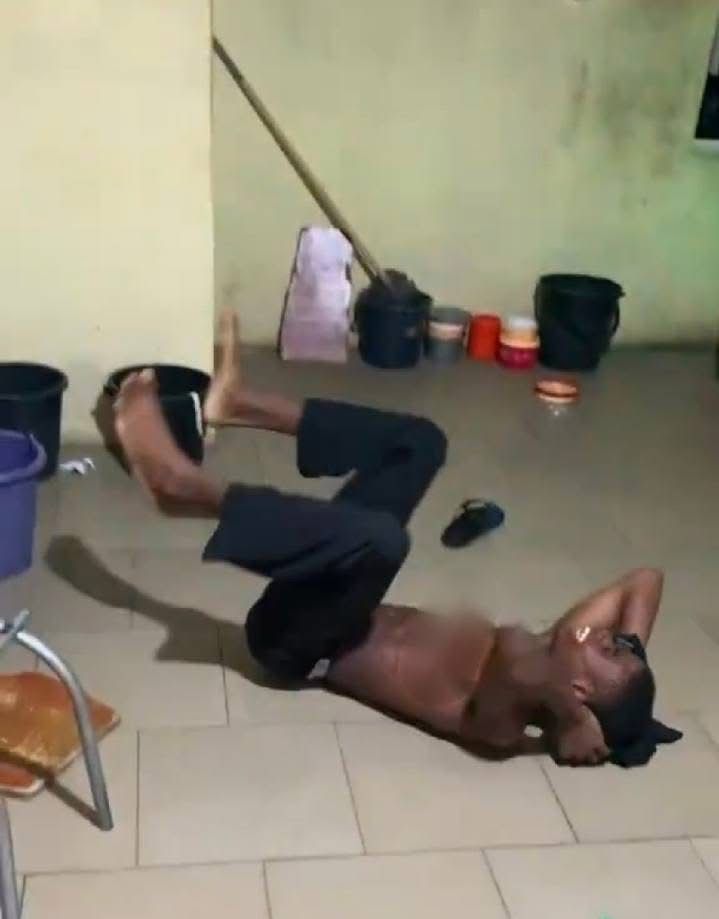
The day of the match came. Kwame watched with a mix of excitement and anxiety. He had told no one — neither his roommate nor his parents — about how much he had staked. In his mind, the money was already “invested” and the bet had to win. But when the final whistle blew, it was all over — and the bet had failed.
His phone lit up with the confirmation: LOSS. The bet had gone against him. Not by a small margin — but by enough to wipe out almost all the money he had saved for his school fees.
In that moment, the thrill turned to shock. Then to panic.
He stared at the screen. His hands trembled. What had he done?
The realization hit him like a physical blow. He had not just lost money; he had lost the very funds that were meant to keep him in school, to secure his place in lectures, to ensure he could graduate without additional burden.
He didn’t know what to do. So he did what many students do when overwhelmed: he locked himself in his room and cried.
⸻
😢 Chapter 4: The Aftermath
Word of Kwame’s loss spread quickly among his friends when he finally confessed what had happened. Some sympathized, others shook their heads. A few tried to encourage him to borrow money to make up the shortfall. But his family — when they eventually found out — were devastated.
His father shouted when he heard the news. His mother cried. They had sacrificed so much — sometimes eating once a day — to pay for Kwame’s education. And now, because of a gamble, all of that sacrifice seemed wasted.
“You had dreams,” his father said, voice thick with emotion. “Why would you risk your future like this?”
Kwame did not have an answer.
Meanwhile, administration at UEW began to send reminders: fees must be paid before mid-semester to avoid registration blockage and inability to write exams. (According to the UEW fee policy, timely payment is compulsory in order to remain registered and eligible for exams and services. ) Kwame now faced not just emotional turmoil — but a real academic crisis. Without the required fees, he could be blocked from registering courses, attending lectures, writing exams, or even be considered for withdrawal from the university.
⸻
📊 Chapter 5: Betting Culture Among Students
Kwame’s situation is not isolated. Across Ghana — and even within UEW — many students are drawn to sports betting as an easy solution to financial stress or peer pressure. Research and anecdotal evidence show that students often engage in sports betting not just for entertainment, but in hopes of making quick money. (Various studies indicate that betting among university students can deepen financial strain and negatively impact academic focus. )
Betting companies heavily market to young adults via social media and mobile platforms. Many students are influenced by the light of big wins and the belief that “luck can turn everything around.” Some are influenced by friends; others by desperation — thinking that a stake of 10 or 20 cedis could return hundreds if the outcome goes their way.
But like all forms of gambling, the house edge means that most will lose more than they win.
⸻
🧠 Chapter 6: The Real Cost
For Kwame, the loss was immediate and painful. But the cost extended far beyond the financial:
1. Academic Disruption
With his fees depleted, he struggled to register courses. He missed important deadlines. His grades began to suffer as stress and anxiety replaced focus and concentration.
2. Emotional Toll
The guilt of betraying his parents’ trust weighed heavily on him. He became withdrawn, skipping group study sessions and avoiding calls from home.
3. Social Isolation
Some friends drifted away, uncomfortable or unsure how to help. Others offered advice that only deepened Kwame’s internal conflict.
4. Financial Strain
His parents now had to consider taking loans or selling assets to help him stay in school — a burden they could ill afford.
⸻
📢 Chapter 7: A Harsh Lesson & a Call to Awareness
Kwame eventually found support — not from easy money, but from fellow students who had experienced similar losses and from a campus counsellor who works with students grappling with financial and emotional stress.
He began to understand:
✔️ That betting is not a solution to financial problems; it is a risk
✔️ That there is no guaranteed path to quick wealth
✔️ That sacrifice and steady work build dreams — gambling erodes them
Today, Kwame is still at UEW, rebuilding his academic path. He has found part-time work, received support from the SRC welfare committee, and is slowly making up the lost ground — academically and financially. (Initiatives by student representative bodies often assist needy students in financial hardship. )
But his story is a cautionary tale — one that should not be ignored.
⸻
📌 Chapter 8: What Students Should Know
Here are lessons every student should take from Kwame’s experience:
🟡 1. Betting Is a Risk, Not a Guarantee
Sports betting platforms thrive because many people lose money over time — only a few win big. There is no reliable formula for guaranteed wins.
🟡 2. Your Fees Are Your Future
School fees are not discretionary money for risky ventures — they are your investment in education. Losing them delays graduation and can cost you years of effort.
🟡 3. Peer Pressure Can Be Dangerous
Just because friends bet — or show wins on social media — does not mean the risk is worth it.
🟡 4. Financial Education Matters
Understanding budgets, savings, and prudent money management is key — not just for students, but for society as a whole.
🟡 5. Seek Help Early
If financial stress is overwhelming, reach out to family, student support centres, or welfare committees — not betting apps. (Student support initiatives exist to help those in genuine need. )
⸻
📍 Conclusion: More Than a Loss — A Warning
Kwame’s story — sourced from rendergh.net — is more than a news item. It’s a warning etched in tears and tough lessons. Education is a precious commodity — often fought for by parents and students alike. When gambling, especially with money as vital as school fees, enters the picture, the outcome is almost always painful.
To students across Ghana — especially those at UEW North Campus and other tertiary institutions — remember this: your education is worth more than a risky bet. Protect it. Nurture it. Invest in it responsibly.
If you are struggling financially, you are not alone. There are support systems — from SRC welfare initiatives to counselling services — designed to help you navigate difficult times without jeopardizing your future.
A gamble might win occasionally, but never bet your future on chance.
⸻
Would you like a shorter version of this blog for social media posts or a newsletter? (e.g., 500–800 words)

