


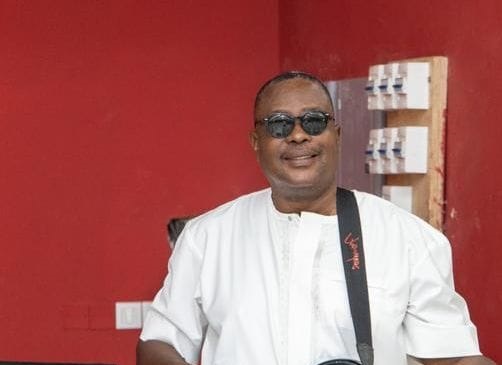
Veteran Ghanaian music producer and sound engineer Zapp Mallet has sparked debate within the entertainment industry after publicly questioning the frequent use of the term “legend” to describe veteran musicians and creatives.
In a candid industry conversation held in Accra, Zapp Mallet challenged what he described as the casual and sometimes premature labeling of artists as “legends,” asking whether the title represents the highest honour in the industry — or a subtle way of ushering veterans into quiet retirement.
His comments have since ignited discussions among musicians, fans, and cultural commentators across Ghana.
“Legend” — A Title of Honour or Exit Signal?
According to Zapp Mallet, the term “legend” should carry weight, history, and measurable impact. However, he argued that in recent times, the title is sometimes used loosely — even for artists who are still actively contributing to the industry.
“When you call someone a legend, what exactly do you mean?” he asked. “Is it the highest honour for lifetime achievement? Or is it a polite way of telling them their prime is over?”
He suggested that while being described as a legend may appear flattering, it can unintentionally signal that an artist belongs to a past era rather than the present creative landscape.
The Power of Labels in Entertainment
In the music industry, branding and perception are powerful tools. Titles such as “icon,” “veteran,” and “legend” often shape public perception and career trajectories.
Zapp Mallet noted that in some cases, younger artists are given prime promotional space, while veterans are respectfully celebrated but sidelined from mainstream visibility.
“Sometimes, once you’re called a legend, you are no longer seen as active competition,” he observed. “You are honoured, but not necessarily promoted.”
Industry observers say the debate highlights the evolving dynamics of fame, relevance, and longevity in Ghana’s music scene.
A Career Rooted in Ghana’s Musical Evolution
Zapp Mallet himself is widely recognized for his role in shaping Ghana’s contemporary music production landscape. As a producer, he has worked with numerous artists across generations, contributing to the growth of highlife, hiplife, and Afro-fusion sounds.
His influence extends beyond studio production, as he has mentored emerging talents and advocated for improved industry standards.
His remarks, therefore, carry significant weight within entertainment circles.
Mixed Reactions from Industry Stakeholders
The response to Zapp Mallet’s comments has been mixed.
Some artists agree that the “legend” label can sometimes feel like a career sunset moment rather than a living recognition.
One musician noted:
“It’s like being placed in a museum — respected, but not necessarily part of today’s movement.”
Others, however, argue that the title is a prestigious acknowledgement of long-term impact and cultural contribution.
“Being called a legend is not retirement,” another industry voice countered. “It’s recognition that your work has stood the test of time.”
The Cultural Meaning of “Legend”
In Ghanaian culture, respect for elders and pioneers is deeply rooted. Titles are often bestowed as symbols of honour and gratitude.
However, Zapp Mallet questioned whether the music industry needs clearer criteria for awarding such titles. Should it be based on:
-
Years of active contribution?
-
Commercial success?
-
Cultural influence?
-
International recognition?
He suggested that structured industry recognition systems — similar to lifetime achievement awards — might help preserve the integrity of the term.
Longevity in a Digital Age
The debate also touches on how digital platforms have changed fame cycles. With streaming services and social media accelerating trends, artists rise and fall in popularity more rapidly than ever before.
Veteran creatives who built their reputations in the pre-digital era often face challenges adapting to algorithm-driven promotion systems.
Zapp Mallet hinted that instead of symbolic titles, the industry should focus on integrating veterans into modern distribution channels, collaborations, and mentorship programs.
“Experience should be an asset, not a label that sidelines you,” he emphasized.
Bridging Generational Gaps
The conversation has also prompted reflection on collaboration between generations.
Some analysts suggest that pairing veteran producers and performers with emerging digital-era artists could create a powerful blend of experience and innovation.
Such partnerships could ensure that being called a legend enhances — rather than limits — artistic relevance.
Public Debate Continues
Social media discussions following Zapp Mallet’s remarks reveal strong public interest in how the entertainment industry honours its pioneers.
Fans expressed admiration for veterans while acknowledging the need for continued creative visibility.
Some called for national creative arts awards systems that clearly define recognition tiers.
Recognition Without Restriction
Ultimately, Zapp Mallet clarified that his intention was not to reject honour but to encourage thoughtful reflection.
“The word ‘legend’ must inspire continued excellence,” he said. “It shouldn’t quietly close the curtain.”
His comments have opened a broader dialogue about legacy, respect, and sustainability in Ghana’s creative industry.
The Bigger Picture
The debate extends beyond one title. It reflects questions about:
-
How industries value experience
-
How societies balance nostalgia and innovation
-
How veterans remain relevant in fast-changing markets
As Ghana’s music sector continues to expand globally, conversations like this may shape how artists are celebrated — not just for their past achievements, but for their ongoing contributions.
Whether the “legend” tag remains the highest honour or evolves into something more nuanced, one thing is clear: recognition must empower, not limit.
And in raising the question, Zapp Mallet has once again contributed meaningfully to the growth of Ghana’s music conversation.

