


Although the ancestors of African-Americans were forcibly taken from West and Central Africa centuries ago, the emotional, cultural, and political ties between Black Americans and the African continent have never fully disappeared. Instead, that relationship has shifted and evolved across generations—sometimes fading into the background, other times surging into global prominence. Today, that connection is experiencing a powerful revival, driven by cultural reconnection, DNA technology, and a growing movement of high-profile Black American figures reclaiming African citizenship.
The bond between Africa and its diaspora is not a new phenomenon. Liberia, Africa’s oldest republic, was founded in 1822 by freed Black American slaves with the backing of the American Colonization Society. More than a century later, Ghana’s independence in 1957 inspired a new wave of African-American intellectuals, activists, and artists to relocate to the continent. Icons such as Martin Luther King Jr., Malcolm X, and Muhammad Ali made symbolic visits to Ghana, while Guinea became home to civil rights activist and Black Panther leader Stokely Carmichael, who later adopted the name Kwame Ture.
These transatlantic exchanges have ebbed and flowed over time, but in recent years they have returned with renewed energy. Advances in DNA testing have played a major role, allowing African-Americans to trace their ancestry to specific regions and ethnic groups. This scientific confirmation has given new emotional weight to the idea of “returning home,” transforming what was once symbolic into something deeply personal.
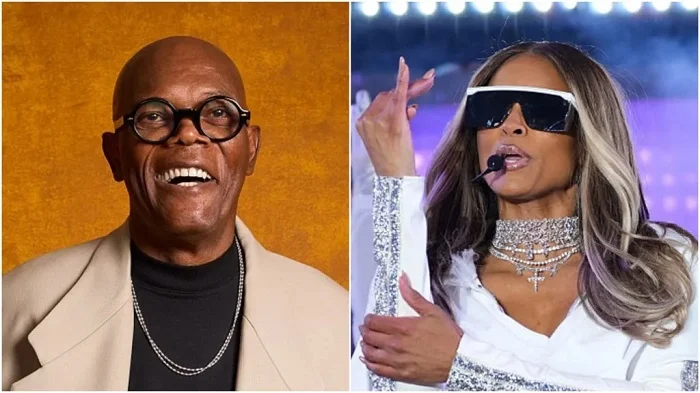
In a highly visible trend, several Black American celebrities have sought and obtained citizenship in African countries. Singer Ciara is now a citizen of Benin. Rapper Ludacris and actor Samuel L. Jackson have been granted Gabonese nationality. Actors Meagan Good and Jonathan Majors are citizens of Guinea, while music legend Stevie Wonder has received Ghanaian citizenship. These moves have attracted widespread attention, amplified by social media and lavish citizenship ceremonies attended by government officials and local dignitaries.
The trend gained further momentum when popular American content creator IShowSpeed—real name Darren Watkins Jr.—was recently approved for a Ghanaian passport during a whirlwind tour of Africa. With more than 50 million YouTube subscribers, his visit generated enormous online buzz, placing Ghana squarely in the global digital spotlight.
For many of these celebrities, the moment is framed as more than a legal process—it is portrayed as a historic and emotional homecoming. When Meagan Good shared images from her Guinean citizenship ceremony with her 7.8 million Instagram followers, she described it as “history in motion.” She and Jonathan Majors were granted citizenship after DNA tests linked their ancestry to Guinea, a discovery they say reshaped their understanding of identity and belonging.
“This recognition goes beyond titles,” Good said. “It is a reconnection to our Afro-descendant roots.”
African governments have enthusiastically echoed this language. At Stevie Wonder’s citizenship ceremony in 2024, former Ghanaian president Nana Akufo-Addo described the moment as an affirmation of pan-African unity and the enduring bond of the global African family. Ghana has long positioned itself as a hub for diaspora engagement, offering nationality to people of African descent for over a decade. This policy helped inspire similar initiatives in countries like Benin.
In 2019, Ghana launched the “Year of Return,” a high-profile campaign marking 400 years since the first enslaved Africans arrived in North America. The initiative encouraged members of the diaspora to visit, invest in, or relocate to Ghana. According to Dr. Erieka Bennett, ambassador for the Diaspora African Forum, more than 1,000 African-Americans have relocated to Ghana in the past decade.
Yet the movement is not driven by sentiment alone. As Cameroonian journalist Marie-Roger Biloa notes, African governments are also keenly aware of the economic and political potential that the African-American diaspora represents. Tourism is a major incentive. High-profile visits and viral social media content from celebrities can attract Black American travelers—a demographic with growing spending power—bringing foreign exchange and international attention.
Benin, in particular, has leaned heavily into heritage tourism. Once a major departure point in the transatlantic slave trade, the country holds deep historical significance for African-Americans. President Patrice Talon has invested heavily in cultural and memorial projects, including The Marina Project in Ouidah, a coastal city known for its “Door of No Return” monument.
According to Benin’s tourism authorities, the goal is not just remembrance, but economic transformation. Celebrity citizens like Ciara help place Benin on the global cultural map, encouraging diaspora visitors to invest, buy property, and form long-term connections.
Soft power also plays a crucial role. By cultivating prominent global figures as citizens, countries like Ghana, Benin, Gabon, and Guinea expand their international influence. These celebrity citizens effectively become cultural ambassadors, projecting national identity far beyond Africa’s borders.
However, the trend has not been universally welcomed. In several countries, critics argue that celebrities appear to bypass lengthy and expensive citizenship processes that ordinary citizens must endure. In Ghana, some locals expressed frustration when IShowSpeed’s passport approval was announced. Taufic Suleman, a 32-year-old painter and decorator, described the move as setting a dangerous precedent.
“Why should citizens go through endless vetting while celebrities are fast-tracked?” he asked.
Ghanaian officials insist that legal procedures still apply, though certain steps may be waived in exceptional cases. Benin’s tourism authority similarly maintains that citizenship decisions are not influenced by fame and that all applicants follow the same process.
Another concern is whether these celebrity connections will prove lasting or merely symbolic. Critics worry that stars may collect passports, post celebratory photos, and then disengage. Officials counter that citizenship is not transactional and carries no contractual obligation to promote or invest.
Still, some signs point to deeper engagement. Ciara returned to Benin six months after gaining citizenship to perform at the Vodun Days festival. Meagan Good and Jonathan Majors have said they envision a long-term relationship with Guinea, potentially even establishing a home there.
Supporters argue that even symbolic gestures matter. With millions of followers watching, a single visit or project can reshape global perceptions of African nations. As one Ghanaian supporter put it, even limited presence can spark meaningful opportunities.
Looking ahead, governments acknowledge that the success of these initiatives will take years—perhaps decades—to fully measure. Benin has already announced plans to open a dedicated agency focused on granting nationality to Afro-descendants worldwide, while Ghana has temporarily paused applications to improve accessibility.
Despite the challenges, advocates believe the momentum is undeniable. Pan-Africanism, they argue, is no longer just an idea—it is becoming a series of tangible actions. By welcoming members of the diaspora back into citizenship, African nations are attempting to heal historical wounds while building new economic and cultural futures.
As one academic observer put it, the era of symbolic rhetoric is fading. What remains is the demand for concrete acts of reconnection—and for now, the doors appear to be opening.

