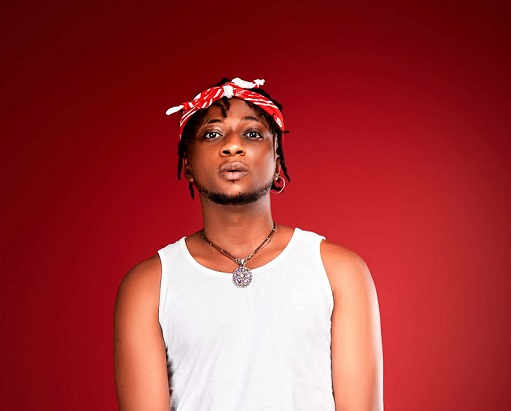


Musician Yaw Dhope is not merely releasing a new song; he is deliberately laying the foundation for what he hopes will become a cultural and musical movement. With his latest single, Ramputu Freestyle, featuring fellow artiste Bogo Blay, Dhope is boldly pushing for wider acceptance and recognition of Ragga Rap, a vibrant, high-energy fusion of Ragga and Rap that he has been developing and refining for several years.
Speaking in an interview with Graphic Showbiz on Tuesday, January 20, Yaw Dhope made it clear that his creative vision extends far beyond personal success or chart performance. For him, Ramputu Freestyle represents a statement of identity, innovation, and cultural confidence. He described the song as both a celebration of authenticity and a challenge to Ghana’s music ecosystem to embrace diversity in sound and expression.
According to Dhope, Ragga Rap is not a borrowed or accidental style but a carefully cultivated genre that blends the rhythmic intensity of Ragga with the lyrical depth and storytelling of Rap. He explained that his journey with the sound began in 2018, a period during which he experimented with different musical influences while remaining rooted in African rhythm, street culture, and lived experience.
“Ragga Rap is energetic, raw, and expressive,” he said. “It reflects the hustle, the confidence, and the fearless attitude of the youth. I’ve been working on this sound for years, and Ramputu Freestyle is one of the clearest representations of what I stand for musically.”
The collaboration with Bogo Blay, Dhope noted, was intentional. He described Blay as an artiste whose delivery and artistic energy naturally complement the rugged intensity of Ragga Rap. Together, they deliver a track that is unapologetic, bold, and rhythmically charged, capturing the essence of street consciousness while maintaining musical sophistication.
Dhope explained that the title Ramputu Freestyle symbolises freedom and unfiltered creativity. The freestyle nature of the song allows the artistes to express themselves without restraint, reflecting the very spirit of Ragga Rap as a genre that resists confinement and rigid musical boundaries.
Beyond the song itself, Dhope used the interview to address broader conversations surrounding Ghana’s music identity on the global stage. He acknowledged ongoing debates about the importance of championing Highlife, describing the genre as a timeless and invaluable part of Ghana’s cultural heritage. However, he argued that while Highlife remains foundational, it should not be the sole representation of Ghanaian music to the world.
“There’s nothing wrong with pushing Highlife—it’s our heritage,” he said. “But the world is competitive. If we want Ghana to stand tall globally, we have to show that we’re versatile, innovative, and not limited to one sound.”
According to Dhope, global music audiences are increasingly drawn to diversity, fusion, and authenticity. He believes Ghana has a wealth of untapped music styles that can command international attention if properly supported and promoted. Ragga Rap, in his view, is one such style that has the potential to travel beyond borders while maintaining its African identity.
He noted that genres like Afrobeats gained global traction because artistes were bold enough to experiment, adapt, and present fresh sounds to the world. Similarly, he believes Ragga Rap can become a global export if given the necessary platform and recognition.
Dhope also spoke about the challenges of introducing a relatively unconventional genre within the local music industry. He admitted that pushing a new or hybrid sound often comes with resistance, misunderstanding, and limited airplay. However, he remains undeterred, insisting that true artistic growth requires persistence and belief in one’s vision.
“When you’re doing something different, people don’t always understand it immediately,” he said. “But that doesn’t mean it lacks value. Sometimes it just means it’s ahead of its time.”
The musician stressed the importance of unity among Ghanaian artistes, particularly those experimenting with alternative or fusion sounds. He called for collaboration rather than competition, arguing that collective effort is key to building strong music movements.
“Movements are built when artistes support each other,” Dhope explained. “If we believe in Ragga Rap, then we have to stand together, collaborate, and push it consistently.”
He further urged media houses, DJs, event organisers, and streaming platforms to be more open to emerging genres. According to him, exposure plays a critical role in shaping public taste, and without adequate airplay and promotion, innovative sounds struggle to reach their full potential.
Dhope also highlighted the role of the youth in driving music evolution. He described young listeners as adventurous, digitally connected, and eager to embrace sounds that resonate with their realities. Ragga Rap, he believes, speaks directly to this demographic through its bold lyrics, pulsating rhythms, and confident delivery.
“Music should reflect the times,” he said. “Ragga Rap speaks to today’s youth—their struggles, their confidence, their energy.”
With Ramputu Freestyle, Dhope hopes to spark conversations not only about music but also about cultural ownership and creative freedom. He wants Ghanaian artistes to feel empowered to create without fear of being boxed into predefined genres.
Looking ahead, Dhope revealed that Ramputu Freestyle is just the beginning. He hinted at more releases that will further define and solidify the Ragga Rap sound, as well as potential collaborations with other artistes who share his vision. He also expressed interest in taking the genre to international audiences through performances, digital platforms, and cross-border collaborations.
Ultimately, Yaw Dhope’s mission is clear: to contribute meaningfully to Ghana’s music evolution while preserving authenticity. He believes that by embracing diverse sounds like Ragga Rap, Ghana can project a richer, more dynamic cultural image to the world.
“Ghana has so much to offer musically,” he said. “We don’t have to limit ourselves. We can respect our roots while still creating new paths.”
With Ramputu Freestyle already generating conversations, Yaw Dhope appears determined to ensure that Ragga Rap is not just heard, but recognised—as a legitimate, powerful, and globally competitive Ghanaian