


The recent announcement by Felix Kwakye Ofosu regarding the arrival of 100 new buses marks a significant step in addressing the growing challenges within Ghana’s public transport system. This development comes at a time when commuters across the country have been grappling with persistent transportation difficulties, including overcrowding, long waiting times, rising fares, and unreliable services. The government’s intervention, therefore, is not only timely but also indicative of a broader strategy aimed at improving mobility, enhancing productivity, and easing the daily burden on citizens.
Public transportation plays a vital role in the socio-economic fabric of Ghana. For millions of people, especially those in urban centers like Accra, Kumasi, and Takoradi, buses and shared vehicles are the primary means of commuting to work, school, and other essential destinations. However, in recent years, the system has come under immense strain due to rapid urbanization, population growth, and inadequate investment in transport infrastructure. The result has been a mismatch between demand and supply, leading to the challenges that commuters now face daily.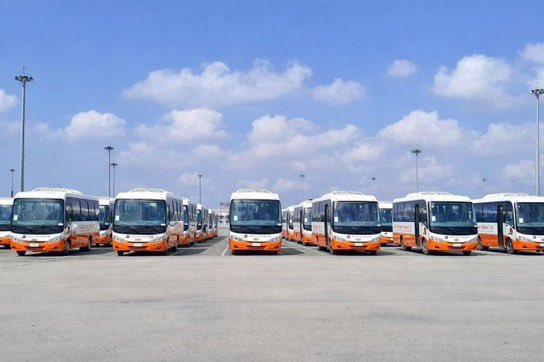
The introduction of these 100 new 29-seater buses is part of a larger procurement plan involving 300 buses in total. According to the minister, the remaining batches are expected to arrive in August and November 2026. This phased approach suggests a deliberate and structured rollout, allowing authorities to gradually integrate the buses into the system while assessing their impact and making necessary adjustments.
One of the immediate benefits of this initiative is the potential reduction in overcrowding. During peak hours, it is not uncommon for commuters to endure long queues at bus stops, often waiting extended periods before securing a seat. In some cases, passengers are forced to stand in overcrowded vehicles, raising concerns about safety and comfort. By increasing the number of available buses, the government aims to distribute passenger loads more evenly, thereby improving the overall commuting experience.
In addition to easing congestion, the new buses are expected to contribute to stabilizing transport fares. In Ghana, transport costs are often influenced by fuel prices, demand levels, and the availability of vehicles. When supply is limited, operators may increase fares, placing additional financial pressure on commuters. With more buses in circulation, competition could help moderate fare increases and provide some relief to passengers already dealing with the rising cost of living.
Another important aspect of this initiative is its potential impact on productivity. Transportation challenges do not only inconvenience individuals; they also have broader economic implications. Delays in commuting can lead to lost working hours, reduced efficiency, and increased stress among workers. Students, too, are affected, as unreliable transport can disrupt their attendance and academic performance. By improving the reliability and availability of public transport, the government is indirectly supporting economic growth and human development.
The procurement of these buses also reflects a recognition of the need for long-term planning in the transport sector. While the immediate goal is to address current challenges, the larger objective is to build a more resilient and sustainable system. This includes not only increasing the number of vehicles but also improving maintenance practices, route planning, and operational efficiency. If managed effectively, the new buses could serve as a foundation for further reforms and investments in the sector.
It is also worth considering the role of technology in enhancing the effectiveness of this initiative. Modern public transport systems increasingly rely on digital tools for scheduling, ticketing, and passenger information. While the current announcement does not specify whether the new buses will incorporate such features, there is an opportunity for Ghana to leverage technology to improve service delivery. For example, mobile apps could be used to provide real-time updates on bus locations and arrival times, helping commuters plan their journeys more efficiently.
Furthermore, the environmental implications of expanding the bus fleet should not be overlooked. Public transportation is generally more energy-efficient than private vehicle use, as it allows more people to be transported using fewer resources. By encouraging the use of buses, the government can help reduce traffic congestion and lower greenhouse gas emissions. However, this benefit depends on the type of buses being introduced. If the new vehicles are fuel-efficient or incorporate cleaner technologies, the environmental impact could be even more positive.
The success of this initiative will depend not only on the number of buses but also on how they are managed and integrated into the existing system. Effective coordination between government agencies, transport operators, and regulatory bodies will be essential. Issues such as route allocation, driver training, maintenance, and enforcement of standards must be carefully addressed to ensure that the buses deliver the intended benefits.
Another critical factor is public perception and acceptance. For many commuters, trust in the public transport system has been eroded by years of inconsistent service. The introduction of new buses provides an opportunity to rebuild this trust, but it will require consistent performance and clear communication. Passengers need to see tangible improvements in their daily commuting experience in order to regain confidence in the system.
The phased delivery of the buses also allows for monitoring and evaluation. By observing how the first batch performs, authorities can identify challenges and make necessary adjustments before the arrival of subsequent batches. This iterative approach can help optimize the deployment of resources and improve outcomes over time.
It is also important to consider the broader context in which this initiative is taking place. Ghana, like many developing countries, is experiencing rapid urban growth. Cities are expanding, and the demand for transportation is increasing accordingly. Addressing transport challenges, therefore, requires a comprehensive approach that goes beyond the provision of buses. Investments in road infrastructure, traffic management, and urban planning are equally important.
In addition, there is a need to explore alternative and complementary modes of transport. While buses are a key component of the system, other options such as rail, cycling, and pedestrian infrastructure can also play a role in reducing pressure on roads. A diversified transport network can provide more flexibility and resilience, helping to meet the needs of a growing population.
The government’s decision to invest in public transport is also significant from a social equity perspective. Access to affordable and reliable transportation is essential for ensuring that all citizens can participate fully in economic and social life. For low-income households, transport costs can represent a significant portion of their expenses. By improving public transport, the government can help reduce inequalities and promote inclusive development.
Moreover, the initiative has the potential to create employment opportunities. The operation and maintenance of the new buses will require drivers, technicians, and administrative staff. This can contribute to job creation and support local economies. However, it will be important to ensure that these jobs are created under fair and sustainable conditions.
The role of private sector participation should also be considered. In Ghana, a significant portion of public transport services is provided by private operators, including trotro drivers and taxi services. The introduction of government-procured buses may affect these operators, and it will be important to manage this transition carefully. Collaboration and dialogue between the government and private sector stakeholders can help ensure that the interests of all parties are taken into account.
Another aspect to consider is the financing of such initiatives. Procuring 300 buses represents a substantial investment, and questions may arise regarding funding sources and sustainability. Transparent and accountable management of public funds will be essential to maintain public confidence and ensure that resources are used effectively.
The communication surrounding this initiative is also noteworthy. By announcing the arrival of the buses through social media, the government is leveraging digital platforms to reach a wide audience quickly. This approach can help keep citizens informed and engaged, but it also raises expectations. Clear and consistent updates on the progress of the initiative will be important to maintain credibility.
Looking ahead, the arrival of the remaining batches in August and November will be critical milestones. Each phase provides an opportunity to build on the progress made and address any challenges encountered. By the end of the year, the full complement of 300 buses should significantly enhance the capacity of the public transport system.
However, it is important to recognize that this initiative is not a complete solution to all transport challenges. While it represents a positive step, it must be part of a broader and sustained effort to improve the sector. Continuous investment, policy reforms, and stakeholder engagement will be necessary to achieve long-term success.
In conclusion, the delivery of 100 new buses as announced by Felix Kwakye Ofosu represents a meaningful intervention in Ghana’s public transport system. It addresses immediate challenges faced by commuters while also laying the groundwork for future improvements. The phased procurement of 300 buses demonstrates a commitment to expanding transport capacity and enhancing service delivery.
The impact of this initiative will depend on effective implementation, coordination, and monitoring. If managed well, it has the potential to improve commuting experiences, support economic productivity, promote social equity, and contribute to environmental sustainability. As Ghana continues to grow and urbanize, investments in public transport will remain a critical component of national development.
Ultimately, the success of this effort will be measured not just by the number of buses on the road, but by the tangible improvements experienced by commuters in their daily lives. Reduced waiting times, more comfortable journeys, stable fares, and reliable services are the outcomes that citizens will be looking for. Achieving these goals will require sustained commitment and collaboration across all levels of government and society.
The arrival of these buses, therefore, is both a response to current challenges and a step toward a more efficient and inclusive transport system in Ghana.

