


Elections are one of the most important features of a democratic society. They provide citizens with the opportunity to choose their leaders, influence government policies, and participate in national decision-making. In Ghana, elections have become a symbol of democracy, political stability, and national unity. Since the country’s return to constitutional rule in 1992, Ghana has conducted several presidential and parliamentary elections that have been widely recognized as free, fair, and largely peaceful. These successful elections have strengthened the country’s democratic reputation both in Africa and around the world.
Peaceful elections are essential because they ensure that political competition takes place without violence, intimidation, or fear. They allow citizens to exercise their constitutional rights freely and contribute to national development by promoting stability, investor confidence, and social cohesion. Peaceful elections also strengthen democratic institutions, increase public trust in government, and create an environment where development can flourish.
Despite Ghana’s commendable democratic record, challenges such as political tension, misinformation, hate speech, vote-buying, and isolated incidents of electoral violence continue to threaten peaceful elections. Therefore, it is important for all stakeholders—including political parties, the Electoral Commission, security agencies, civil society organizations, traditional leaders, religious institutions, the media, and citizens—to work together to maintain peace before, during, and after elections.
This essay examines the importance of peaceful elections in Ghana, the factors that contribute to peaceful electoral processes, the challenges that threaten electoral peace, and measures that can strengthen peaceful democratic participation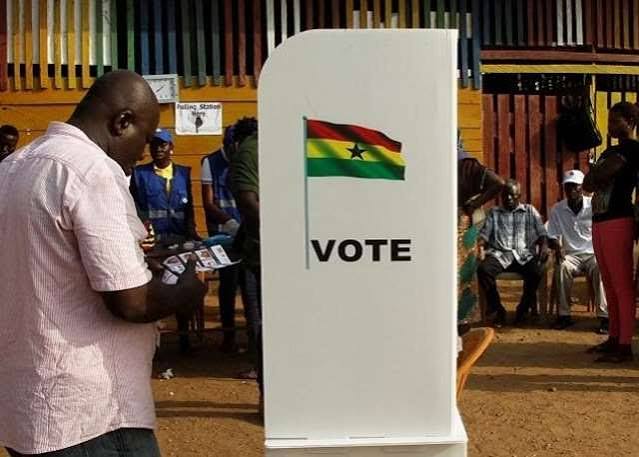
Understanding Elections and Democracy
An election is a formal process through which citizens choose individuals to represent them in government. In a democratic system, elections allow the people to determine who governs them through free and fair voting.
Democracy is based on principles such as the rule of law, respect for human rights, political participation, transparency, accountability, equality, and freedom of expression. Elections provide citizens with an opportunity to exercise these democratic rights by selecting leaders who reflect their interests and aspirations.
Ghana’s democratic system is founded on the 1992 Constitution, which guarantees universal adult suffrage, political pluralism, and regular elections. Every four years, eligible citizens elect the President and Members of Parliament through secret ballots administered by the Electoral Commission.
The Meaning of Peaceful Elections
Peaceful elections refer to electoral processes conducted in an atmosphere of security, fairness, respect, and tolerance, without violence, intimidation, coercion, or destruction of property.
Peaceful elections begin long before polling day. They involve peaceful political campaigns, respectful public debates, lawful conduct by political parties, responsible media reporting, professional security services, and acceptance of legitimate election results.
Peaceful elections also continue after the declaration of results, as political parties and supporters resolve disputes through legal and constitutional means rather than violence.
The Importance of Peaceful Elections in Ghana
1. Strengthening Democracy
Peaceful elections strengthen Ghana’s democracy by ensuring that citizens freely choose their leaders without fear or intimidation. When elections are peaceful, people have confidence that their votes matter and that the democratic process is credible.
Regular peaceful elections also reinforce constitutional governance and demonstrate that political power can change hands through ballots instead of violence.
2. Promoting National Unity
Ghana is a diverse country with many ethnic groups, languages, cultures, and religions. During elections, political differences can sometimes create divisions among citizens.
Peaceful elections encourage respect, tolerance, and unity despite these differences. They remind citizens that political competition should never destroy national cohesion.
When elections are peaceful, people continue to live together harmoniously regardless of which political party wins.
3. Protecting Human Rights
Every Ghanaian has the constitutional right to vote, express political opinions, assemble peacefully, and participate in public affairs.
Peaceful elections protect these rights by ensuring that citizens can campaign, vote, and express their views without fear of violence, harassment, or intimidation.
Respect for human rights enhances public confidence in democratic governance.
4. Encouraging Political Stability
Political stability is one of Ghana’s greatest achievements. Peaceful elections prevent conflicts that could disrupt governance and threaten constitutional order.
Stable political environments allow government institutions to function effectively while ensuring continuity in national development programmes.
Political stability also strengthens Ghana’s reputation as one of Africa’s leading democracies.
5. Promoting Economic Growth
Peaceful elections contribute significantly to economic development. Investors prefer countries with stable political environments because they provide greater security for businesses and investments.
When elections are peaceful:
- Businesses continue operating normally.
- Tourism grows.
- Foreign investment increases.
- Employment opportunities expand.
- Government projects continue without interruption.
Conversely, election-related violence can destroy property, discourage investors, and slow economic growth.
6. Building Public Confidence
Citizens are more likely to trust democratic institutions when elections are peaceful and transparent.
Public confidence increases when:
- Votes are counted accurately.
- Election officials act impartially.
- Security agencies remain professional.
- Courts resolve disputes fairly.
Trust in democratic institutions encourages greater participation in future elections.
7. Protecting Lives and Propertyhttps
https://www.eisa.org/storage/2023/11/2023-journal-of-african-elecrions-v22n2-ensuring-peaceful-elections-ghana-eisa.pdf.pdf
Violent elections often result in injuries, deaths, destruction of property, and displacement of families.
Peaceful elections protect communities from these harmful consequences. Schools, hospitals, markets, businesses, and public infrastructure continue functioning without disruption.
The protection of life and property remains one of the greatest benefits of peaceful democratic elections.
8. Enhancing Ghana’s International Reputation
Ghana is widely respected for its democratic achievements.
Peaceful elections strengthen the country’s international image and attract:
- Foreign investors.
- Development partners.
- Tourists.
- International cooperation.
- Diplomatic partnerships.
Countries with peaceful democratic transitions often enjoy stronger international confidence and support.
The Role of Key Stakeholders in Promoting Peaceful Elections
The Electoral Commission
The Electoral Commission (EC) is responsible for organizing free, fair, transparent, and credible elections. It prepares the voters’ register, conducts voter education, trains election officials, supervises polling stations, and declares election results according to the law.
An independent and impartial Electoral Commission is essential for peaceful elections.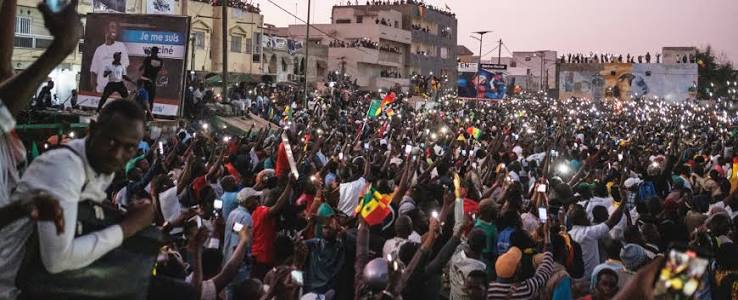
Political Parties
Political parties should conduct issue-based campaigns, educate supporters on peaceful participation, and discourage violence.
Party leaders must respect electoral laws, avoid inflammatory language, and accept legitimate election outcomes or seek legal redress when disputes arise.
Security Agencies
The police, military, and other security agencies play an important role in maintaining law and order during elections.https://www.eisa.org/storage/2023/11/2023-journal-of-african-elecrions-v22n2-ensuring-peaceful-elections-ghana-eisa.pdf.pdf
They must remain neutral, protect voters, secure polling stations, and respond professionally to security threats without favouring any political party.
The Media
The media informs citizens about election procedures, political campaigns, and public issues.
Responsible journalism requires accurate reporting, fact-checking, balanced coverage, and avoidance of misinformation or inflammatory content that could provoke violence.
Civil Society Organizations
Civil society organizations educate voters, monitor elections, promote peace campaigns, observe polling activities, and advocate for transparency and accountability throughout the electoral process.
Traditional and Religious Leaders
Chiefs, queen mothers, religious leaders, and community elders promote peace by encouraging dialogue, tolerance, and respect among political supporters.
Their influence often helps reduce tensions within communities before and after elections.
Citizens
Every Ghanaian has a responsibility to promote peaceful elections by:
- Voting peacefully.
- Respecting opposing political opinions.
- Rejecting violence.
- Reporting electoral offences.
- Avoiding hate speech.
- Following electoral laws.
- Accepting lawful election outcomes.
Challenges to Peaceful Elections in Ghana
Although Ghana has maintained relatively peaceful elections, several challenges continue to threaten electoral peace.
Political Violence
Violence between political supporters remains a concern in some communities. Physical confrontations, destruction of campaign materials, and intimidation can undermine peaceful participation.
Hate Speech
Insulting language, ethnic discrimination, and inflammatory political rhetoric can increase tensions and divide communities.
Misinformation and Fake News
False information spread through social media and other communication channels can create confusion, damage public trust, and provoke unnecessary conflict.
Vote-Buying
Offering money or gifts to influence voters undermines democratic principles and weakens public confidence in elections.
Electoral Disputes
Disagreements over election results can create tension if political parties fail to use constitutional mechanisms for resolving disputes.
Youth Manipulation
Some unemployed young people may be recruited to engage in political violence or intimidation during election periods.
Measures for Promoting Peaceful Elections
Several practical measures can strengthen peaceful elections in Ghana.
First, civic and voter education should be expanded to help citizens understand their rights and responsibilities during elections.
Second, political parties should sign and respect peace accords that commit them to non-violence and lawful conduct.
Third, security agencies should receive adequate training to manage elections professionally while respecting human rights.
Fourth, the media should promote responsible journalism by verifying information before publication and avoiding sensational reporting.
Fifth, social media users should confirm the accuracy of information before sharing it and reject misinformation and hate speech.
Sixth, the Electoral Commission should continue improving electoral transparency through effective communication, efficient logistics, and impartial administration.
Finally, citizens should resolve electoral disagreements through dialogue and the courts rather than violence.
The Future of Peaceful Elections in Ghana
Ghana has made remarkable progress in democratic governance over the past three decades. Peaceful transfers of political power, strong democratic institutions, and increasing civic participation have strengthened public confidence in elections.
However, preserving this achievement requires continuous commitment from all citizens and institutions. Young people, in particular, have a responsibility to reject violence, promote political tolerance, and participate responsibly in democratic processes.
Investment in civic education, digital literacy, electoral reforms, and transparent governance will help ensure that future elections remain peaceful and credible.
Conclusion
Peaceful elections are essential for the survival and growth of Ghana’s democracy. They enable citizens to exercise their constitutional rights freely, strengthen democratic institutions, promote national unity, and ensure political stability. Peaceful elections also protect lives and property, encourage economic growth, attract foreign investment, and enhance Ghana’s reputation as a democratic nation.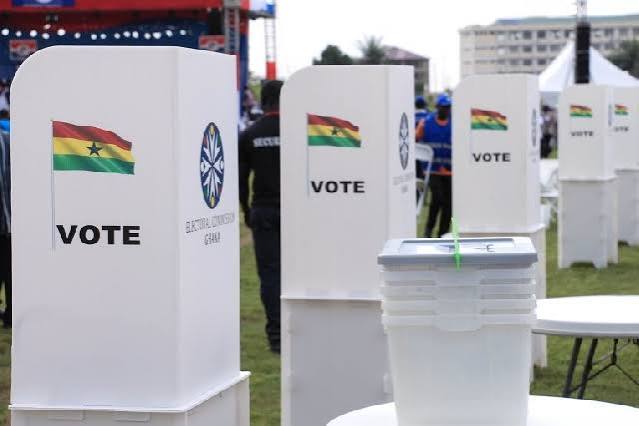
The responsibility for maintaining peaceful elections belongs to everyone. The Electoral Commission must conduct credible elections, political parties must promote issue-based campaigns, security agencies must act professionally, the media must report responsibly, civil society organizations must educate citizens, and voters must reject violence, misinformation, and electoral malpractice.
Although challenges such as political violence, hate speech, misinformation, and vote-buying continue to exist, they can be overcome through civic education, dialogue, responsible leadership, and strict adherence to the Constitution and electoral laws.
As Ghana continues to strengthen its democracy, peaceful elections will remain the foundation of good governance, sustainable development, and national unity. By working together to protect the integrity of the electoral process, Ghanaians can ensure that future generations inherit a peaceful, stable, and prosperous democratic nation.

