


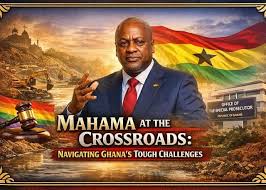
Local government plays a crucial role in Ghana’s democratic system and national development. It is the level of government closest to the people and is responsible for providing essential public services, promoting grassroots participation, and implementing government policies at the local level. Ghana’s local government system is mainly made up of Metropolitan, Municipal, and District Assemblies (MMDAs), which were established under the 1992 Constitution and the Local Governance Act, 2016 (Act 936).
The primary objective of local government is to promote decentralization by transferring political, administrative, and financial responsibilities from the central government to local authorities. Through this system, citizens are given the opportunity to participate directly in decision-making processes affecting their communities. Local governments oversee development planning, sanitation, education, healthcare, environmental protection, infrastructure development, and local economic growth.
Despite its importance, local government in Ghana continues to face numerous challenges that affect its ability to deliver quality services and achieve sustainable development. These challenges reduce efficiency, delay development projects, and weaken public confidence in local authorities. This essay examines five major challenges facing local government in Ghana, their effects on national development, and possible solutions to overcome them.
Understanding Local Government in Ghana
Local government refers to the administration of local affairs by elected and appointed representatives at the district level. Ghana currently operates a decentralized system of governance through Metropolitan, Municipal, and District Assemblies (MMDAs).
Each Assembly is responsible for planning and implementing development programmes within its jurisdiction. The Assemblies also mobilize local resources, maintain public infrastructure, regulate physical development, enforce by-laws, and coordinate government services.
The main objectives of local government include:
- Promoting democratic participation.
- Improving service delivery.
- Encouraging community development.
- Enhancing accountability.
- Reducing regional inequalities.
- Accelerating national development.
However, achieving these objectives has become difficult due to several persistent challenges.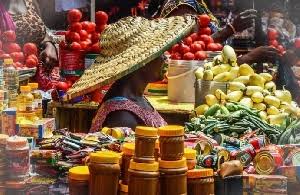
Challenge One: Inadequate Financial Resources
One of the greatest challenges facing local government in Ghana is inadequate funding. Every Assembly requires sufficient financial resources to provide essential services such as roads, schools, health facilities, sanitation, water supply, markets, and drainage systems.
Most District Assemblies depend heavily on transfers from the central government through the District Assemblies Common Fund (DACF). Unfortunately, these funds are often delayed or insufficient to meet the growing needs of communities.
Although Assemblies are expected to generate Internally Generated Funds (IGF) through property rates, business licenses, market tolls, building permits, and other local taxes, many fail to collect adequate revenue because of:
- Weak revenue collection systems.
- Poor tax compliance.
- Inadequate property valuation.
- Corruption.
- Limited economic activities.
- Outdated revenue databases.
As a result, many development projects remain incomplete, roads deteriorate, waste management suffers, and public services decline.
Effects of Inadequate Funding
Insufficient financial resources lead to:
- Delays in infrastructure projects.
- Poor maintenance of public facilities.
- Low staff motivation.
- Reduced quality of education and healthcare services.
- Slow economic development.
- Increased poverty in local communities.
Possible Solutions
Government should ensure the timely release of the District Assemblies Common Fund. Assemblies should modernize revenue collection through digital payment systems, update property records, improve tax education, and strengthen financial accountability to increase public confidence.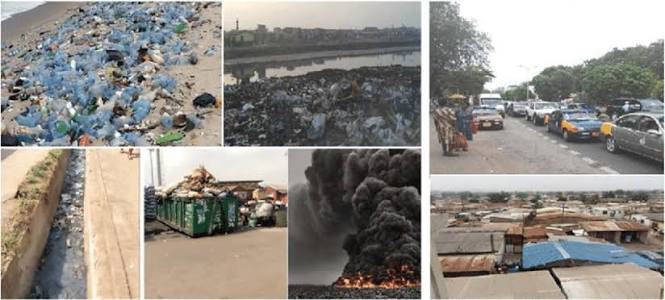
Challenge Two: Political Interference
Political interference remains another major obstacle to effective local governance.
Although decentralization seeks to empower local authorities, many important decisions continue to be influenced by the central government. One example is the appointment of Metropolitan, Municipal, and District Chief Executives (MMDCEs) by the President, subject to approval by Assembly members.
Political considerations sometimes influence appointments, project selection, resource allocation, and employment decisions instead of local development priorities.
Frequent changes in government may also result in abandoned projects initiated by previous administrations. Political competition can delay decision-making and reduce cooperation among Assembly members.
Effects of Political Interference
Political interference leads to:
- Reduced local autonomy.
- Delayed implementation of projects.
- Lack of continuity in development programmes.
- Declining public trust.
- Increased political tension within communities.
Possible Solutions
Greater decentralization should allow Assemblies more independence in managing local affairs. Transparent decision-making, non-partisan development planning, and stronger accountability mechanisms can reduce excessive political influence.
Challenge Three: Poor Human Resource Capacity
The effectiveness of local government depends on competent and well-trained personnel. However, many District Assemblies face shortages of qualified professionals such as engineers, planners, accountants, environmental officers, health inspectors, and information technology specialists.
Some districts, especially those in rural areas, experience difficulties attracting and retaining skilled workers due to limited incentives and inadequate working conditions.
In addition, some Assembly members lack sufficient knowledge of governance, budgeting, development planning, procurement procedures, and public financial management.
Without adequate technical expertise, development planning becomes less effective, project implementation slows, and service delivery suffers.
Effects of Poor Human Resource Capacity
Weak human resource capacity results in:
- Poor planning.
- Weak financial management.
- Delays in project implementation.
- Inefficient service delivery.
- Poor monitoring and evaluation.
- Low institutional performance.
Possible Solutions
Government should invest in continuous training and professional development for Assembly staff and elected members. Attractive incentive packages, improved working conditions, and digital skills training can also help attract qualified professionals to underserved districts.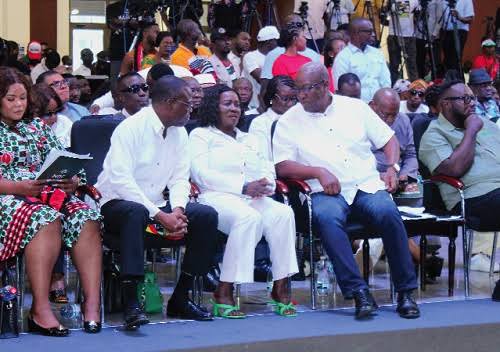
Challenge Four: Corruption and Weak Accountability
Corruption remains one of the most serious problems affecting local government in Ghana.
Some officials misuse public funds, inflate contract prices, award contracts unfairly, or fail to account properly for government resources. Procurement irregularities and financial mismanagement reduce the amount of money available for development projects.
Weak monitoring systems and inadequate enforcement of anti-corruption laws allow unethical practices to continue in some Assemblies.
In some cases, citizens are unaware of how public funds are used because financial information is not readily available.
Effects of Corruption
Corruption causes:
- Misuse of public resources.
- Poor-quality infrastructure.
- Delayed development projects.
- Reduced investor confidence.
- Increased poverty.
- Loss of public trust in local government.
Possible Solutions
Assemblies should strengthen financial auditing, improve procurement transparency, publish annual financial reports, encourage citizen participation in budget monitoring, and enforce strict penalties for corrupt practices.
Citizens should also report suspected cases of corruption to the appropriate authorities.
Challenge Five: Rapid Urbanization and Population Growth
Ghana’s population continues to grow rapidly, particularly in urban areas. Cities and towns such as Accra, Kumasi, Tamale, Takoradi, and Cape Coast are expanding quickly as people migrate from rural communities in search of employment and better living conditions.
Rapid urbanization places enormous pressure on local governments to provide housing, roads, schools, hospitals, sanitation facilities, markets, waste management, transportation, and clean water.
Unfortunately, many Assemblies lack sufficient financial and technical capacity to meet these increasing demands.
Poor urban planning has also contributed to:
- Traffic congestion.
- Flooding.
- Illegal building developments.
- Poor sanitation.
- Environmental pollution.
- Growth of informal settlements.
These problems reduce the quality of life in many urban communities.
Effects of Rapid Urbanization
Rapid urban growth leads to:
- Housing shortages.
- Increased unemployment.
- Pressure on social services.
- Environmental degradation.
- Rising crime rates.
- Public health challenges.
Possible Solutions

Assemblies should strengthen urban planning, enforce building regulations, invest in affordable housing, improve waste management systems, expand public transportation, and promote sustainable land-use planning.
Government should also encourage balanced regional development to reduce excessive rural-urban migration.
Other Challenges Facing Local Government
Apart from the five major challenges discussed above, local government in Ghana also faces several additional difficulties, including:
- Weak public participation in local decision-making.
- Poor maintenance of infrastructure.
- Delays in implementing development plans.
- Climate change and environmental degradation.
- Inadequate logistics and office equipment.
- Weak coordination among government institutions.
- Low levels of civic education.
- Poor data collection for planning.
Although these challenges vary from one district to another, they collectively reduce the effectiveness of local governance.
Importance of Addressing These Challenges
Overcoming these challenges is essential for improving local governance and achieving sustainable national development.
Strong local governments can:
- Improve healthcare delivery.
- Expand educational opportunities.
- Promote local economic development.
- Create employment.
- Improve sanitation.
- Strengthen environmental protection.
- Enhance disaster preparedness.
- Increase citizen participation.
- Promote transparency and accountability.
Effective local governance also supports the achievement of Ghana’s development agenda and the United Nations Sustainable Development Goals (SDGs).
Recommendations
Several practical measures can strengthen local government in Ghana.
First, government should increase financial support to District Assemblies while encouraging them to improve internally generated revenue through efficient tax administration and digital payment systems.
Second, decentralization reforms should grant Assemblies greater administrative and financial autonomy to make decisions based on local priorities.
Third, continuous capacity-building programmes should be organized for Assembly members and staff to improve planning, budgeting, project management, and service delivery.
Fourth, stronger anti-corruption measures should be implemented through regular audits, transparent procurement processes, citizen monitoring, and effective law enforcement.
Fifth, local governments should embrace modern technology for financial management, data collection, urban planning, and public service delivery.
Finally, citizens should actively participate in Assembly meetings, community consultations, and local elections to strengthen accountability and ensure that development projects reflect community needs.
Conclusion
Local government remains an essential pillar of Ghana’s democratic system and national development. By bringing governance closer to the people, Metropolitan, Municipal, and District Assemblies promote citizen participation, improve service delivery, and coordinate development at the grassroots level.
However, the effectiveness of local government is constrained by several significant challenges. Inadequate financial resources limit the implementation of development projects, while political interference reduces local autonomy and affects decision-making. Poor human resource capacity weakens planning and service delivery, corruption undermines accountability and wastes public resources, and rapid urbanization places enormous pressure on local infrastructure and services.
Addressing these challenges requires the combined efforts of government, local authorities, civil society organizations, the private sector, and citizens. Increased funding, greater decentralization, stronger accountability systems, improved staff training, and better urban planning will significantly enhance the performance of local governments.
A strong and effective local government system is indispensable for promoting inclusive development, reducing poverty, improving public services, and strengthening democracy in Ghana. By overcoming these challenges, local governments will be better positioned to meet the needs of citizens and contribute meaningfully to the country’s long-term social, economic, and political development.

