



In today’s fast-paced world, maintaining a healthy diet can be challenging, especially for busy professionals balancing demanding careers, family responsibilities, and personal commitments. Long working hours, tight deadlines, frequent meetings, and commuting often leave little time for planning, preparing, or enjoying nutritious meals. As a result, many professionals rely on fast food, sugary snacks, or highly processed convenience meals that may provide quick energy but often lack the nutrients needed to support long-term health.
Healthy eating is not about following strict diets or eliminating favorite foods. Instead, it involves making informed food choices that provide the body with the nutrients it needs to function effectively. A balanced diet can improve energy levels, boost concentration, strengthen the immune system, reduce the risk of chronic diseases, and enhance overall well-being. For professionals, good nutrition can also increase productivity, improve decision-making, and help manage stress more effectively.
Fortunately, eating healthy does not require spending hours in the kitchen or following complicated meal plans. With proper planning, smart grocery shopping, and simple meal preparation strategies, even the busiest individuals can enjoy nutritious meals every day.
This article provides practical and effective healthy eating tips for busy professionals, helping them develop sustainable habits that fit into their demanding lifestyles.
1. Never Skip Breakfast
Breakfast is often called the most important meal of the day because it provides the energy needed to start the morning after several hours without food.
Skipping breakfast can lead to:
- Low energy levels
- Poor concentration
- Increased hunger later in the day
- Overeating during lunch or dinner
Healthy breakfast options include:
- Oatmeal with fresh fruit
- Greek yogurt with nuts
- Whole-grain toast with eggs
- Smoothies made with fruits and vegetables
- Peanut butter on whole-grain bread
A nutritious breakfast supports better focus and productivity throughout the morning.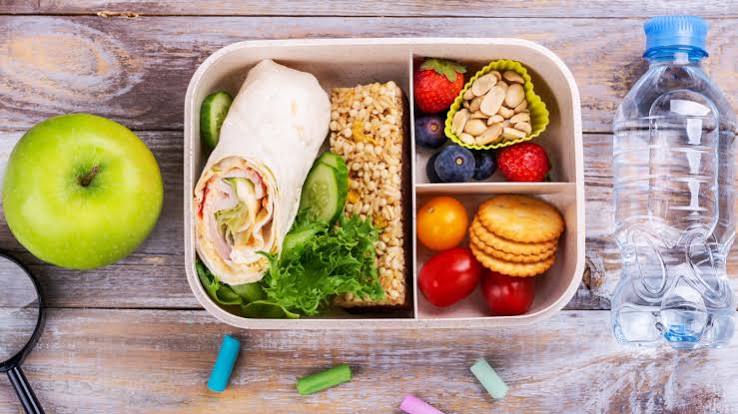
2. Plan Your Meals in Advance
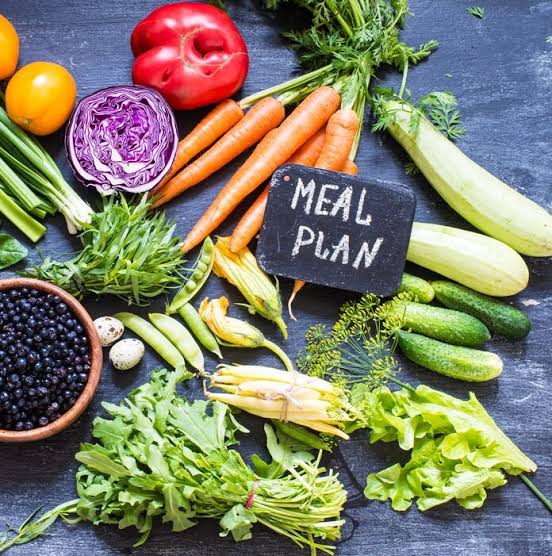
Meal planning is one of the best ways to maintain healthy eating habits.
Set aside time each week to:
- Plan meals
- Prepare grocery lists
- Cook ingredients in advance
- Portion meals into containers
Having healthy meals ready reduces the temptation to order fast food during busy workdays.
Meal planning also helps reduce food waste and save money.
3. Prepare Healthy Snacks
Busy schedules often lead to unhealthy snacking.
Instead of relying on vending machines or sugary treats, keep healthy snacks readily available.
Examples include:
- Fresh fruit
- Mixed nuts
- Low-fat yogurt
- Whole-grain crackers
- Cheese sticks
- Carrot and cucumber slices
- Hummus
- Roasted chickpeas
Healthy snacks help maintain steady energy levels and prevent overeating at meal times.
4. Stay Hydrated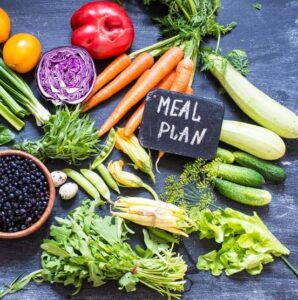
Water plays a vital role in maintaining good health.
Even mild dehydration can cause:
- Fatigue
- Headaches
- Poor concentration
- Reduced productivity
Aim to drink water consistently throughout the day.
Helpful habits include:
- Carrying a reusable water bottle
- Drinking water before meals
- Setting hydration reminders
- Choosing water instead of sugary drinks
Proper hydration supports digestion, circulation, and overall body function.
5. Choose Whole Foods
Whole foods are foods that are minimally processed and retain most of their natural nutrients.
Examples include:
- Fresh vegetables
- Fruits
- Whole grains
- Beans
- Lentils
- Fish
- Eggs
- Lean meats
- Nuts
- Seeds
Whole foods provide essential vitamins, minerals, fiber, and healthy fats that support long-term health.
6. Limit Processed Foods
Highly processed foods often contain excessive amounts of:
- Sugar
- Salt
- Saturated fat
- Artificial additives
Examples include:
- Sugary cereals
- Chips
- Candy
- Soft drinks
- Fast food
- Packaged pastries
Frequent consumption of processed foods increases the risk of obesity, diabetes, and heart disease.
Choose fresh or minimally processed alternatives whenever possible.
7. Include More Fruits and Vegetables
Fruits and vegetables provide essential nutrients while being naturally low in calories.
Aim to include colorful produce at every meal.
Examples include:
- Bananas
- Apples
- Oranges
- Berries
- Spinach
- Broccoli
- Tomatoes
- Carrots
- Bell peppers
Their fiber content also promotes fullness and supports healthy digestion.
8. Eat Balanced Meals
A balanced meal contains:
- Lean protein
- Whole grains
- Healthy fats
- Fruits or vegetables
For example:
- Grilled chicken
- Brown rice
- Steamed vegetables
- Avocado slices
Balanced meals provide sustained energy and reduce cravings between meals.
9. Control Portion Sizes
Even healthy foods should be eaten in appropriate portions.
Large portions can contribute to excessive calorie intake.
Helpful strategies include:
- Using smaller plates
- Eating slowly
- Avoiding second servings unless truly hungry
- Reading nutrition labels
Listening to hunger and fullness cues can prevent overeating.
10. Reduce Sugar Intake
Many beverages and snacks contain hidden sugars.
High sugar intake contributes to:
- Weight gain
- Type 2 diabetes
- Tooth decay
- Energy crashes
Reduce sugar by:
- Drinking water instead of soda
- Choosing unsweetened beverages
- Limiting desserts
- Reading ingredient labels
Natural fruits provide sweetness along with valuable nutrients.
11. Pack Your Lunch
Preparing lunch at home offers several advantages.
Benefits include:
- Better nutrition
- Portion control
- Lower cost
- Reduced reliance on fast food
Healthy lunch ideas include:
- Chicken salad
- Brown rice with vegetables
- Whole-grain wraps
- Pasta salad with lean protein
- Vegetable soup
Packing lunch allows greater control over ingredients.
12. Avoid Eating at Your Desk Every Day
Many professionals eat while working.
Mindless eating often results in overeating because attention is focused elsewhere.
Whenever possible:
- Step away from your desk.
- Eat without distractions.
- Chew food slowly.
- Enjoy your meal.
Mindful eating improves digestion and satisfaction.
13. Limit Fast Food
Fast food is convenient but often high in calories, unhealthy fats, sodium, and added sugars.
If eating out is unavoidable:
Choose healthier options such as:
- Grilled chicken
- Salads
- Vegetable-based meals
- Fruit instead of fries
- Water instead of sugary drinks
Making better menu choices can significantly improve overall nutrition.
14. Keep Healthy Foods Visible
Your environment influences your eating habits.
Keep healthy foods within easy reach.
Examples include:
- Fruit bowls
- Water bottles
- Healthy snack containers
Store less nutritious snacks out of sight or avoid purchasing them altogether.
Simple environmental changes encourage healthier choices.
15. Read Nutrition Labels
Understanding food labels helps you make informed decisions.
Pay attention to:
- Calories
- Protein
- Fiber
- Sugar
- Sodium
- Saturated fat
Compare similar products to choose healthier options.
16. Do Not Skip Meals
Skipping meals can cause excessive hunger later in the day.
This often leads to:
- Overeating
- Poor food choices
- Reduced energy
- Mood changes
Eating regular meals helps maintain stable blood sugar levels.
17. Include Healthy Fats
Healthy fats support brain function, hormone production, and heart health.
Good sources include:
- Avocados
- Olive oil
- Almonds
- Walnuts
- Chia seeds
- Flaxseeds
- Fatty fish
Consume these in moderation as part of a balanced diet.
18. Reduce Excess Salt
Too much sodium increases the risk of high blood pressure.
Reduce salt intake by:
- Cooking more meals at home
- Limiting processed foods
- Using herbs and spices for flavor
- Reading food labels
Flavorful meals do not require excessive salt.
19. Practice Healthy Eating During Travel
Professionals who travel frequently often struggle to maintain healthy habits.
Helpful strategies include:
- Carry healthy snacks
- Drink plenty of water
- Choose grilled instead of fried foods
- Eat fruits and vegetables whenever available
- Avoid oversized restaurant portions
Planning ahead makes healthy choices easier while traveling.
20. Develop Sustainable Habits
Healthy eating should become a long-term lifestyle rather than a temporary diet.
Focus on gradual improvements such as:
- Cooking more meals
- Drinking more water
- Eating more vegetables
- Reducing sugary drinks
- Planning meals weekly
Small, consistent changes are easier to maintain than drastic restrictions.
Additional Tips for Workplace Nutrition
Many professionals spend most of their day in an office or working remotely. Keeping nutritious foods at your workstation can help you avoid unhealthy impulse purchases. Consider storing unsalted nuts, whole-grain crackers, herbal tea, or fresh fruit nearby. If your workplace has a refrigerator, stock it with yogurt, cut vegetables, or homemade meals.
If meetings often include pastries or sugary snacks, eat a balanced meal or healthy snack beforehand so you are less likely to overindulge. You can also suggest healthier catering options for team events, such as fruit platters, salads, or grilled dishes.
Remote workers should also establish regular meal times. Working from home can blur the line between work and personal life, leading to skipped meals or constant snacking. Setting designated meal breaks helps create a healthier routine.
Conclusion
Healthy eating is an investment in both personal well-being and professional success. For busy professionals, maintaining a nutritious diet may seem challenging, but it is achievable with thoughtful planning and consistent habits. Prioritizing balanced meals, preparing healthy snacks, staying hydrated, choosing whole foods, and limiting processed foods can improve energy levels, concentration, and overall health.
Small changes such as packing lunch, eating breakfast, reading nutrition labels, and keeping healthy snacks within reach can make a significant difference over time. Rather than striving for perfection, focus on making practical choices that fit your schedule and lifestyle.
By adopting sustainable eating habits, busy professionals can better manage stress, support long-term health, reduce the risk of chronic diseases, and maintain the energy needed to perform at their best both at work and in their personal lives. Healthy eating is not just about food—it is about creating a foundation for a healthier, more productive, and more balanced life.

