


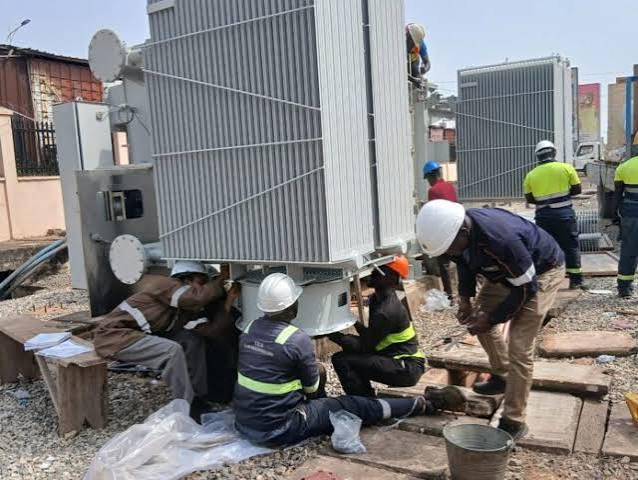
Accra, Ghana — The Electricity Company of Ghana (ECG) has announced a new power supply schedule as part of a nationwide effort to undertake planned maintenance, strengthen electricity distribution infrastructure, and improve the overall reliability of power delivery across the country. The schedule, which affects selected communities in several regions, is expected to facilitate essential engineering works aimed at reducing unplanned outages, enhancing system performance, and meeting the growing electricity demand from households, businesses, and industries.
According to ECG, the planned interruptions are necessary to enable technical teams to carry out preventive maintenance, replace aging equipment, install new distribution components, and upgrade substations that serve rapidly expanding communities. The company emphasized that while temporary power interruptions may inconvenience customers, the long-term benefits include a more stable electricity supply and improved service quality.
The announcement comes at a time when electricity demand continues to rise due to population growth, urbanization, industrial expansion, and increased reliance on electronic devices. As a result, utility providers have been investing in infrastructure modernization to ensure that the distribution network remains capable of supporting current and future energy needs.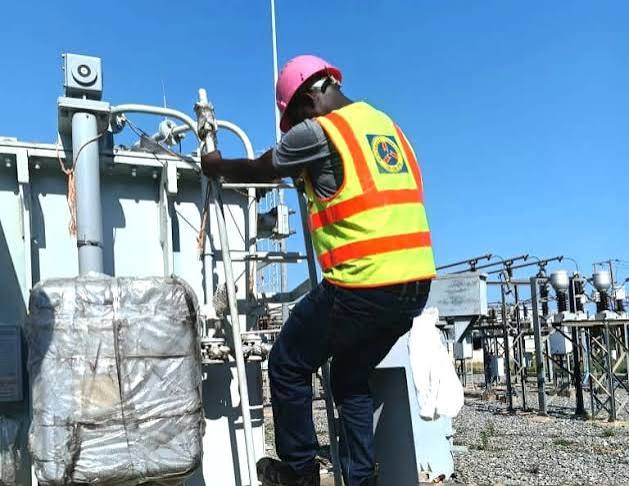
Planned Maintenance to Improve Service
ECG explained that scheduled maintenance forms a critical part of its operational strategy. Unlike emergency repairs, planned maintenance allows engineers to inspect power lines, transformers, substations, switchgear, and other equipment before faults develop into major failures.
During the maintenance period, technicians will replace damaged components, reinforce electrical connections, trim vegetation near transmission lines, and conduct safety inspections to minimize the risk of unexpected outages in the future.
The company noted that many sections of the distribution network require periodic upgrades due to the increasing electricity load generated by residential developments, commercial activities, and industrial operations. Infrastructure improvements are therefore intended to improve network resilience while reducing technical losses.
Officials stressed that preventive maintenance remains one of the most effective methods for ensuring reliable electricity distribution and minimizing costly emergency repairs.
Communities Expected to Experience Interruptions
The newly released schedule identifies several communities expected to experience temporary power interruptions during the maintenance exercise. Depending on the location, electricity supply may be suspended for several hours to allow engineers to safely complete their work.
ECG stated that the exact duration of each outage will vary depending on the complexity of the maintenance activities and weather conditions.
Customers are encouraged to check official announcements through ECG’s communication channels to determine whether their communities are included in the schedule. Local radio stations, television broadcasts, newspapers, and digital platforms are also expected to carry updates regarding planned maintenance.
The utility provider indicated that supply will be restored immediately after engineers complete the scheduled work and confirm that the affected sections of the network are safe for operation.
Reasons Behind the New Schedule
Electricity distribution systems require regular inspection and maintenance to ensure efficient operation. Components such as transformers, feeders, overhead conductors, underground cables, circuit breakers, and substations naturally deteriorate over time due to environmental exposure, increasing electrical loads, and normal wear.
Without periodic maintenance, small technical faults can gradually develop into larger failures capable of causing prolonged outages affecting thousands of consumers.
The new maintenance schedule therefore seeks to achieve several objectives, including:
- Improving power reliability.
- Enhancing public safety.
- Replacing obsolete equipment.
- Increasing network capacity.
- Supporting economic growth.
- Reducing technical losses.
- Preventing unexpected system failures.
- Improving customer satisfaction.
ECG explained that maintenance work also enables engineers to identify hidden faults before they become serious operational challenges.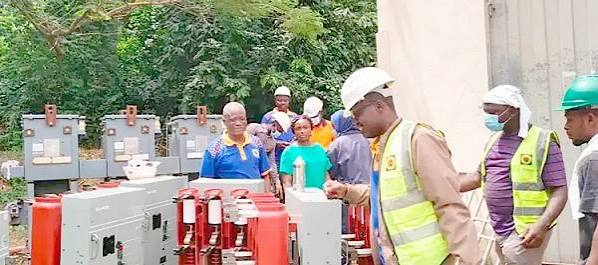
Support for Growing Electricity Demand
Ghana’s electricity consumption has steadily increased over the past decade due to rapid urban growth and expanding economic activity. Residential developments continue to spread across major cities while new commercial centers, hospitals, schools, manufacturing facilities, and technology companies require dependable electricity supplies.
The demand for uninterrupted power has become increasingly important as businesses adopt digital technologies and households rely more heavily on electronic appliances.
ECG believes the ongoing upgrades will improve the capacity of the distribution network to accommodate future growth while minimizing pressure on aging infrastructure.
Industry analysts note that expanding distribution capacity remains essential for supporting Ghana’s industrialization agenda and attracting further investment into key sectors of the economy.
Customer Advisory
ECG has advised customers to take precautionary measures before the scheduled maintenance begins. Residents and businesses are encouraged to switch off electrical appliances to protect them from possible power fluctuations when electricity is restored.
Customers operating sensitive equipment, including computers, medical devices, manufacturing machinery, and refrigeration systems, are advised to use surge protection devices or backup power solutions where necessary.
Businesses that rely heavily on continuous electricity are encouraged to plan their operations around the maintenance schedule to reduce disruptions.
The company also reminded customers not to assume that electrical lines are safe during maintenance periods and urged the public to observe all safety precautions around electricity installations.
Economic Implications
Although planned outages may temporarily affect business operations, economists generally consider preventive maintenance to be less costly than widespread emergency failures.
Retail shops, manufacturing companies, educational institutions, financial service providers, and healthcare facilities often depend on reliable electricity to maintain productivity.
Unexpected outages can lead to equipment damage, production delays, data loss, and financial losses.
By carrying out scheduled maintenance in advance, utility companies can reduce the likelihood of major system failures that would otherwise require longer restoration periods.
Many businesses have welcomed advance notice of maintenance schedules because it allows them to make operational adjustments and communicate with customers beforehand.
Public Response
The announcement has generated mixed reactions among electricity consumers.
Some residents expressed concern over the temporary inconvenience associated with planned outages, particularly for households working remotely or operating home-based businesses.
Others acknowledged that scheduled maintenance is necessary if it leads to improved electricity reliability over the long term.
Business owners emphasized the importance of receiving timely communication regarding outage schedules so they can adequately prepare for interruptions.
Several consumer advocacy groups have encouraged ECG to provide regular updates throughout the maintenance exercise and ensure that restoration timelines are met whenever possible.
Importance of Infrastructure Modernization
Electricity infrastructure requires continuous investment to meet changing technological and economic demands.
Modern distribution systems incorporate advanced monitoring technologies capable of detecting faults quickly and allowing operators to restore supply more efficiently.
ECG has indicated that network modernization remains one of its long-term priorities. Upgrading substations, replacing aging transformers, and installing modern switching equipment are expected to improve operational efficiency while reducing outage frequency.
Experts say investment in distribution infrastructure complements ongoing efforts to improve electricity generation and transmission across the country.
Safety During Maintenance
ECG has urged the public to remain vigilant during maintenance activities.
Residents are advised to avoid interfering with engineering teams or attempting to access restricted work areas. Any damaged electrical poles, fallen conductors, or exposed cables should be reported immediately through ECG’s customer service channels.
The company also warned against illegal connections and unauthorized repairs, noting that such activities pose significant risks to both the public and maintenance personnel.
Parents have been encouraged to keep children away from electrical installations while engineers are carrying out maintenance work.
Role of Technology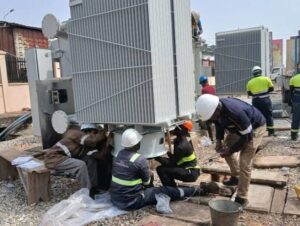
Advances in digital technology have significantly improved the management of electricity distribution networks.
Modern monitoring systems allow engineers to identify overloaded circuits, monitor equipment performance in real time, and respond quickly to developing faults.
Smart technologies also enable utilities to schedule maintenance more effectively, reducing downtime while improving service reliability.
ECG continues to explore technological solutions that enhance operational efficiency, improve customer communication, and strengthen network resilience.
Collaboration with Stakeholders
The successful implementation of the maintenance schedule depends on cooperation among utility engineers, local authorities, businesses, and residents.
Community leaders have been encouraged to inform residents about planned outages and promote public understanding of the reasons behind the maintenance exercise.
Local governments are also expected to coordinate with ECG where road access or traffic management is required near maintenance sites.
Business associations have urged members to prepare contingency plans to minimize operational disruptions.
Looking Ahead
Energy experts believe that sustained investment in distribution infrastructure will become increasingly important as Ghana expands renewable energy projects, industrial parks, and digital services.
Reliable electricity remains essential for healthcare delivery, education, manufacturing, agriculture, financial services, telecommunications, and national development.
While temporary maintenance-related outages may cause inconvenience, improved network performance is expected to provide long-term benefits for consumers and the broader economy.
ECG has reaffirmed its commitment to providing safe, reliable, and efficient electricity services while encouraging customers to remain patient and cooperate with technical teams during the maintenance period.
The company stated that regular infrastructure improvements will continue as part of its broader strategy to strengthen Ghana’s electricity distribution system, improve service quality, and support sustainable economic growth.
As maintenance progresses, customers are encouraged to monitor official announcements for updates regarding restoration times and any adjustments to the published schedule. ECG reiterated that every effort will be made to complete the works as quickly and safely as possible, restoring electricity immediately after all technical and safety requirements have been satisfied.
The latest power supply schedule represents another step in the company’s ongoing efforts to build a stronger, more resilient electricity distribution network capable of meeting the evolving needs of homes, businesses, public institutions, and industries across Ghana. Although the temporary interruptions may present short-term challenges, the planned maintenance is expected to contribute to a more dependable electricity system that supports national development and enhances the quality of life for millions of electricity consumers.

