


The Chairperson of Parliament’s Government Assurance Committee, Dominic Nitiwul, has called on the Minister for the Interior, Mohammed-Mubarak Muntaka, to urgently initiate measures to confidentially contact approximately 1,300 applicants who tested positive for HIV during recent recruitment exercises into Ghana’s security services.
Mr. Nitiwul said informing the affected applicants of their HIV status and linking them to counselling and treatment services would not only safeguard their health but also help prevent further transmission of the virus within the wider population.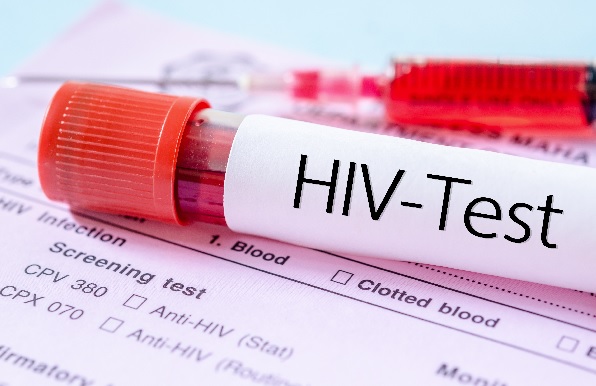
He made the appeal when the Interior Minister appeared before the Government Assurance Committee on Tuesday, July 7, to account for a number of policy commitments and assurances made by his ministry in Parliament.
The discussion formed part of the committee’s constitutional oversight responsibility to monitor the implementation of government commitments and ensure accountability across ministries and state institutions.
Concern over significant number of positive cases
During the committee’s deliberations, Mr. Nitiwul expressed concern over the number of applicants who tested positive during the recruitment process.
Describing the figure as both significant and worrying, he urged the Interior Ministry to prioritise confidential engagement with the affected individuals.
“Please, find a way of reaching out to these people as the number is huge and scary,” the committee chairperson advised.
He explained that many of the applicants may still be unaware of their HIV status and could unknowingly transmit the virus to their partners if they are not informed and provided with appropriate medical support.
According to him, timely intervention would enable the affected individuals to access counselling, begin treatment early and receive the education necessary to manage their condition while protecting others.
Minister reveals recruitment medical findings
The issue arose after the Interior Minister disclosed the outcome of the medical screening conducted during the latest recruitment exercises for various security agencies.
According to Mr. Muntaka, approximately 100,000 applicants participated in the aptitude and medical examinations conducted as part of the recruitment process.
Of that number, he disclosed that about 1,300 applicants tested positive for HIV.
The minister, however, clarified that the ministry had not directly communicated the medical results to those applicants.
He explained that the decision was based on concerns about the psychological impact of unexpectedly receiving such sensitive information.
“We do not want the shock,” he told the committee.
Instead, he explained that applicants had been provided with contact information through which they could voluntarily reach out to designated officials for orientation before being informed of their medical status.
According to him, this approach is intended to ensure that applicants receive professional guidance and counselling before learning potentially life-changing medical information.
Importance of confidential disclosure
The Interior Minister explained that the ministry’s approach aligns with accepted medical protocols governing the communication of sensitive diagnoses.
Referring to guidance from the World Health Organization (WHO), he noted that certain medical conditions require careful disclosure accompanied by counselling.
“There are certain ailments that you just do not throw in a person’s face that you have hepatitis B or you have HIV,” he stated.
He stressed that the ministry sought to balance confidentiality, psychological well-being and ethical medical practice while ensuring applicants ultimately receive the necessary information.
The minister’s comments highlighted the complexities involved in communicating HIV diagnoses, particularly in settings where stigma and discrimination remain concerns.
Parliamentary question raises public health concerns
The discussion followed a question raised by Member of Parliament for Ahanta West, Mavis Kuukua Bissue, who sought clarification on whether applicants who tested positive for HIV or other medical conditions had been contacted and referred for counselling and treatment.
She asked whether appropriate follow-up mechanisms had been established to ensure affected applicants received the medical care and psychosocial support required after the screening process.
Her question reflected broader concerns regarding the responsibility of institutions conducting medical examinations to ensure individuals are properly informed of significant health findings.
Health experts generally consider post-test counselling an essential component of HIV testing, enabling individuals to understand their diagnosis, access treatment and make informed decisions regarding their health.
Nitiwul cites previous experience
Drawing on his experience as Ghana’s former Minister for Defence, Mr. Nitiwul recalled that similar situations had arisen during recruitment exercises conducted under his tenure.
He explained that applicants who tested positive for HIV were contacted directly, counselled by qualified professionals and informed of available treatment options.
According to him, that approach enabled affected individuals to begin treatment promptly while reducing the likelihood of unknowingly transmitting the virus to others.
“We called them, counselled them and told them, and it is important you do that too,” he advised the Interior Minister.
He argued that government institutions have both a moral and public health responsibility to ensure individuals are informed of serious medical conditions discovered during official screening exercises.
Public health implications
Mr. Nitiwul warned that failure to notify the affected applicants could have wider public health consequences.
He noted that many of the applicants are young adults who may be in relationships and could unknowingly expose their partners to HIV if they remain unaware of their status.
“Because trust me, if it is a boy, he may have a girlfriend, and if it is a girl, she may have a boyfriend, and if they are not aware, the next time this 1,300 figure will jump to 10,000 or 20,000,” he cautioned.
He therefore encouraged the ministry to strengthen efforts to confidentially contact each affected applicant as quickly as possible.
According to him, early diagnosis remains one of the most effective tools for preventing further transmission while improving health outcomes for people living with HIV.
HIV no longer a death sentence
Mr. Nitiwul also used the opportunity to educate the committee on advances in HIV treatment.
He emphasised that HIV should no longer be viewed as an automatic death sentence, given the availability of effective antiretroviral therapy.
According to him, individuals who begin treatment early and adhere consistently to their medication can live long, healthy and productive lives.
He further noted that effective treatment significantly reduces the amount of virus in the body, lowering the risk of transmission.
“It is not like before, when the disease was a death sentence,” he said.
“If the person has HIV and has not already developed into AIDS, and the person continues to take the drugs, the person will actually live a normal life.”
He added that many people living with HIV are able to work, raise families and have children safely when they remain on appropriate medical treatment under professional supervision.
His remarks reflected growing global awareness that early diagnosis and sustained treatment enable people living with HIV to maintain good health and substantially reduce the risk of transmitting the virus to others.
Early treatment saves lives
Health professionals have consistently emphasised the importance of early HIV diagnosis.
Prompt initiation of antiretroviral therapy strengthens the immune system, reduces complications and enables individuals to maintain normal life expectancy.
In addition to improving individual health outcomes, early treatment also contributes significantly to national HIV prevention efforts.
When people living with HIV achieve sustained viral suppression through consistent medication, the likelihood of transmitting the virus to sexual partners is dramatically reduced.
For this reason, many public health experts advocate widespread testing accompanied by confidential counselling and immediate linkage to treatment services.
Mr. Nitiwul argued that notifying the affected applicants should therefore be viewed not merely as an administrative responsibility but as an important public health intervention.
Minister accepts committee’s recommendation
Responding to the concerns raised by committee members, Interior Minister Mohammed-Mubarak Muntaka acknowledged the importance of the recommendation.
Describing the advice as valuable, he assured Parliament that the ministry would examine ways to strengthen its follow-up procedures.
“Yes, you are right because this is a public health issue, and it is something that we should not gloss over,” he told the committee.
He agreed that informing applicants of their HIV status could help prevent further infections while enabling them to access treatment and support.
“So, advice is well taken, and I assure you that we will try what we can to help, especially those with HIV, as it is a public health risk,” the minister added.
His response suggested that the ministry may review its current communication strategy to ensure affected applicants receive appropriate notification alongside professional counselling.
Balancing confidentiality and public health
The parliamentary discussion highlighted the delicate balance between respecting medical confidentiality and protecting public health.
Medical ethics generally require that HIV test results be disclosed privately and accompanied by counselling to help individuals understand their diagnosis and available treatment options.
At the same time, governments and health institutions have an interest in ensuring that people living with HIV are linked promptly to treatment, both for their own health and to reduce onward transmission.
The committee’s recommendations therefore centred not on public disclosure but on confidential communication conducted by qualified professionals.
Members emphasised that protecting applicants’ privacy should remain a central consideration throughout any follow-up process.
Recruitment screening and health standards
Medical examinations form an important component of recruitment into Ghana’s security agencies.
Applicants typically undergo comprehensive health assessments to determine their fitness for physically demanding roles within institutions such as the Ghana Police Service, Ghana National Fire Service, Ghana Immigration Service and Ghana Prisons Service.
The examinations are designed to identify medical conditions that may affect operational readiness while also safeguarding the health of personnel.
The disclosure made before Parliament has drawn attention to the broader role recruitment medical examinations can play in identifying previously undiagnosed health conditions among applicants.
Renewed focus on HIV awareness
The discussion has also renewed attention on HIV awareness, testing and treatment in Ghana.
Public health authorities have consistently encouraged regular voluntary testing, arguing that many people living with HIV remain unaware of their status.
Increasing awareness, reducing stigma and expanding access to treatment remain key pillars of national HIV prevention strategies.
Parliament’s discussions underscored the importance of integrating counselling, education and medical follow-up into institutional health screening programmes.
Such measures, stakeholders argue, not only protect individuals but also contribute to broader national efforts to reduce new HIV infections.
Strengthening public health response
As Parliament continues its oversight of government commitments, committee members expressed hope that the Interior Ministry’s response would serve as an example of how public institutions can strengthen health-related follow-up procedures.
By ensuring confidential notification, counselling and referral for treatment, the ministry could help improve health outcomes for affected applicants while supporting Ghana’s broader public health objectives.
The committee’s recommendations also highlighted the growing recognition that HIV management has evolved considerably over the past decades.
With timely diagnosis, effective treatment and continuous medical care, people living with HIV can lead healthy, productive and fulfilling lives.
For Parliament, the discussion reinforced the importance of combining compassion, confidentiality and public health responsibility in addressing sensitive medical issues.
As the Interior Ministry reviews its next steps, stakeholders will be watching closely to ensure that the affected applicants receive the counselling, treatment referrals and support necessary to protect both their well-being and the health of the wider community.

