


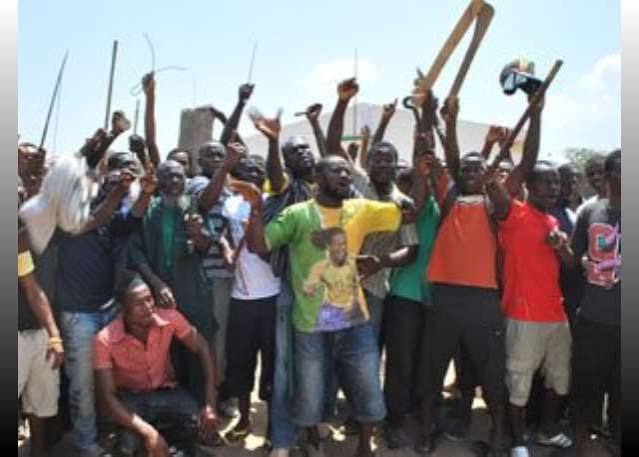
Democracy is a system of government in which the people have the power to choose their leaders and participate in decision-making. In Ghana, democracy has become an important pillar of national development since the country returned to constitutional rule in 1992. Through regular elections, respect for the rule of law, freedom of speech, and citizen participation, Ghana has earned a reputation as one of the most stable democracies in Africa. However, the success and sustainability of Ghana’s democracy depend largely on the active involvement of its citizens, especially the youth.
Youth constitute a significant proportion of Ghana’s population. They represent the country’s greatest source of energy, creativity, innovation, and human capital. Because of their large numbers and potential, young people have an important role to play in shaping the nation’s democratic future. Their participation in elections, leadership, civic education, community development, advocacy, and governance contributes to national stability and progress.
Despite their importance, many young people face challenges such as unemployment, inadequate political education, limited opportunities for leadership, and political manipulation. These challenges often reduce their participation in democratic activities. Nevertheless, with the right support and empowerment, Ghanaian youth can become stronger agents of democratic growth and national development.
This essay examines the role of youth in Ghana’s democratic process, the challenges they face, and strategies for enhancing their participation in strengthening democracy.
Understanding Democracy in Ghana
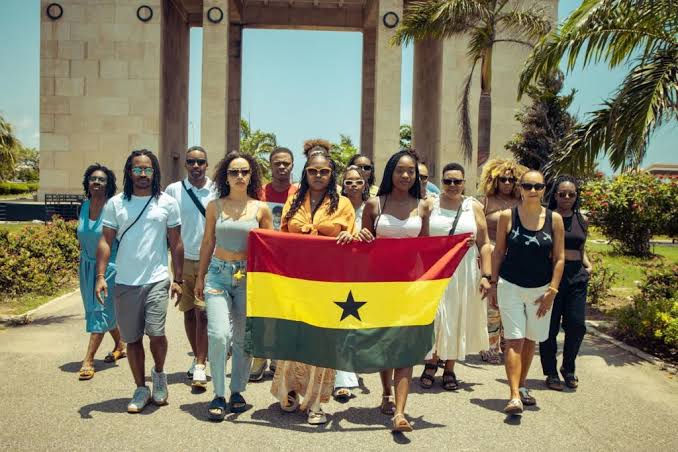
Democracy refers to a system of governance in which political power belongs to the people. Citizens participate either directly or through elected representatives in making decisions that affect the nation. Democratic principles include free and fair elections, respect for human rights, the rule of law, accountability, transparency, political tolerance, and freedom of expression.
Since the adoption of the 1992 Constitution, Ghana has successfully organized several peaceful presidential and parliamentary elections. Political power has changed hands peacefully between different political parties, demonstrating the maturity of Ghana’s democratic institutions. Institutions such as the Electoral Commission, Parliament, the Judiciary, the National Commission for Civic Education (NCCE), the media, and civil society organizations work together to protect democracy.
The participation of citizens, especially young people, is essential to maintaining these democratic gains.
Who Are the Youth?
Youth generally refer to young people between adolescence and adulthood. In Ghana, many policies define youth as individuals between the ages of 15 and 35 years. This age group represents a large percentage of the country’s population and forms the backbone of the nation’s workforce.
Young people are often characterized by their creativity, enthusiasm, technological skills, adaptability, and willingness to embrace change. These qualities make them valuable contributors to democratic governance and national development.
The Importance of Youth in Ghana’s Democracy
The youth are the future leaders of Ghana. The decisions they make today will shape the country’s political, economic, and social development tomorrow. As the largest group of eligible voters, they possess significant political influence during elections. Their participation strengthens democratic institutions and ensures that government remains accountable to the people.
Furthermore, young people bring fresh ideas and innovative solutions to national problems. They advocate for reforms in education, healthcare, employment, environmental protection, digital transformation, and social justice. Their involvement ensures that public policies reflect the needs and aspirations of the younger generation.
A democracy that excludes its youth cannot achieve sustainable development because the voices of a large section of the population would remain unheard.
Voting and Electoral Participation
One of the most important responsibilities of Ghanaian youth is participating in elections. Voting is the foundation of every democratic system because it allows citizens to choose leaders who will govern the country.
Young people contribute by registering as voters, verifying their names in the electoral register, participating peacefully in election campaigns, and voting responsibly during presidential, parliamentary, and local government elections. Their large numbers mean they can significantly influence election outcomes.
Beyond voting, many youth serve as polling agents, election observers, electoral officials, and volunteers during elections. Their involvement increases transparency, promotes public confidence, and helps ensure free, fair, and credible elections.
Responsible voting also requires young people to evaluate political parties based on their policies, competence, integrity, and commitment to national development rather than ethnicity, religion, gifts, or misinformation.
Civic Education and Political Awareness
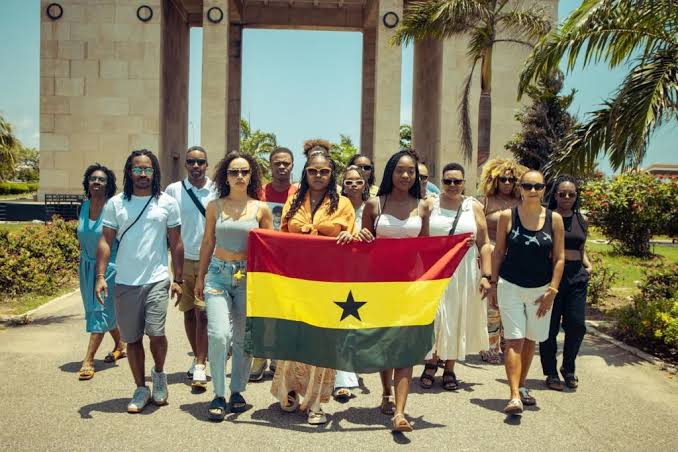
Democracy functions effectively when citizens understand their rights and responsibilities. Civic education helps people appreciate democratic values such as tolerance, accountability, patriotism, respect for the law, and peaceful coexistence.
Young people play an important role by educating themselves about the Constitution, governance structures, electoral laws, and national issues. Many youth participate in civic education programmes organized by schools, universities, civil society organizations, religious institutions, and the National Commission for Civic Education.
Social media has also become an important platform for civic education. Young people use digital platforms to share information, discuss public policies, encourage voter registration, and educate others about democratic participation. When used responsibly, social media strengthens democracy by promoting informed public debate.
Youth Leadership and Political Participation
Youth participation should extend beyond voting. Young people must actively seek leadership positions at all levels of society. Many begin by serving as student leaders in schools and universities, youth leaders in religious organizations, community organizers, and members of political parties.
These leadership experiences help develop important qualities such as responsibility, communication, problem-solving, negotiation, and decision-making. They also prepare young people for future leadership roles in Parliament, district assemblies, public institutions, and national government.
Greater youth representation in political leadership ensures that policies address issues affecting education, employment, technology, healthcare, climate change, and entrepreneurship. It also encourages other young people to participate actively in governance.
Promoting Peace and Political Tolerance
Peace is essential for democracy to thrive. Ghana has earned international recognition for conducting peaceful elections, and the youth have an important responsibility in preserving this achievement.
Young people contribute by rejecting political violence, hate speech, tribal discrimination, and religious intolerance. They encourage peaceful campaigning, respect opposing political opinions, and resolve conflicts through dialogue rather than violence.
Youth organizations, student associations, religious groups, and civil society organizations often organize peace campaigns before elections to educate citizens about maintaining calm throughout the electoral process. Such efforts reduce tensions and strengthen national unity.
Holding Government Accountable
Democracy requires leaders to remain accountable to the people. Young people help achieve accountability by monitoring government performance and demanding transparency in public administration.
Through public forums, town hall meetings, social media, investigative journalism, and civil society organizations, the youth question government decisions, monitor public projects, and advocate for responsible use of national resources.
Young people also report corruption, support anti-corruption initiatives, and encourage ethical leadership. Their active participation helps improve governance and reduces abuse of public office.
Community Development and Volunteerism
Democratic participation extends beyond politics. Youth contribute to democracy by participating in community development activities that improve people’s lives.
Many young people volunteer in environmental sanitation campaigns, tree planting exercises, literacy programmes, health awareness campaigns, blood donation exercises, disaster relief efforts, and educational outreach programmes.
These activities promote social responsibility, strengthen community relationships, and encourage active citizenship. Volunteerism also develops leadership skills and reinforces democratic values such as cooperation, service, and responsibility.
The Role of Technology and Social Media
Technology has transformed democratic participation in Ghana. Young people are among the most active users of digital technology and social media platforms.
They use online platforms to discuss political issues, educate voters, monitor elections, organize campaigns, mobilize volunteers, and communicate directly with public officials. Social media enables faster dissemination of information and increases citizen participation in governance.
However, technology also presents challenges. The spread of misinformation, fake news, cyberbullying, hate speech, and political propaganda can undermine democracy. Therefore, young people must verify information before sharing it and use digital platforms responsibly.
Digital literacy and responsible online behaviour are becoming essential components of democratic participation.
Challenges Facing Youth Participation
Despite their enormous potential, Ghanaian youth face several challenges that hinder their participation in democracy.
One major challenge is unemployment. High youth unemployment limits financial independence and may make some young people vulnerable to political manipulation or vote-buying.
Limited political education is another challenge. Some young people lack adequate knowledge of democratic institutions, constitutional rights, and governance processes, reducing meaningful participation.
Financial constraints also discourage qualified young people from contesting elections because political campaigns are often expensive.
Political intimidation, violence, and mistrust discourage some youth from participating fully in politics. In addition, some political parties fail to provide adequate opportunities for young leaders to rise through their ranks.
Another challenge is voter apathy. Some young people lose confidence in politics because they believe their votes do not make a difference or that elected leaders fail to fulfill campaign promises.
Strategies for Enhancing Youth Participation
Several measures can strengthen youth involvement in Ghana’s democratic process.
First, civic education should be expanded through schools, universities, community organizations, and media programmes. Young people need continuous education on democratic values, constitutional rights, and responsible citizenship.
Second, government should create more employment opportunities through entrepreneurship support, vocational training, digital innovation, and industrial development. Economically empowered youth are more likely to participate meaningfully in governance.
Third, political parties should encourage youth leadership by reducing barriers to participation and providing mentorship programmes for young politicians.
Fourth, government institutions should increase youth representation in local assemblies, advisory boards, public institutions, and national decision-making bodies.
Fifth, social media literacy programmes should educate young people about identifying misinformation and using digital platforms responsibly.
Finally, civil society organizations, traditional leaders, religious institutions, and educational institutions should continue promoting peace, tolerance, and active citizenship among the youth.
Conclusion
The youth occupy a central position in Ghana’s democratic process. As the largest and most energetic segment of the population, they possess the potential to shape the country’s future through responsible citizenship, political participation, leadership, innovation, and community service.
Their contributions extend beyond voting during elections. They educate fellow citizens, advocate for good governance, promote peace, hold leaders accountable, volunteer in community development, and use technology to strengthen democratic engagement. These activities contribute significantly to Ghana’s political stability and national development.
Although challenges such as unemployment, political manipulation, inadequate civic education, financial constraints, and misinformation continue to affect youth participation, these obstacles can be overcome through deliberate investment in education, leadership development, employment creation, and civic empowerment.
The future of Ghana’s democracy depends on the active participation of its young people. When empowered with knowledge, opportunities, and a sense of national responsibility, Ghanaian youth will continue to protect democratic values, promote accountability, and build a peaceful, prosperous, and inclusive nation for future generations.

