



This initiative aligns with the Ghana Accelerated National Reserve Accumulation Program (GANRAP), which aims to increase foreign reserves to cover 15 months of imports by the end of 2028, and President Mahama’s goal of stopping raw mineral exports by 2030.
Further details regarding the Memorandum of Understanding signed among the Ministry of Finance, Ministry of Lands and Natural Resources, Ghana Gold Board, Bank of Ghana, and Ghana Chamber of Mines will be disclosed on Monday, July 29, 2026.
Under the arrangement, each large-scale mining company will sell 30 percent of its gold production directly to GoldBod within Ghana in doré form at a discount of 0.55 percent. Unlike the earlier 2022 agreement between the Bank of Ghana and the Ghana Chamber of Mines, all transactions under the new policy will be conducted locally in Ghana cedis using the Bank of Ghana Reference Rate.
Government officials describe the initiative as a strategic intervention designed to strengthen domestic participation in the gold value chain while increasing the country’s ability to retain economic value from mineral production.
Te agreement forms part of broader national efforts to transform Ghana’s gold industry from a primarily extraction-based model into one that emphasizes processing, reserve accumulation, and industrial development.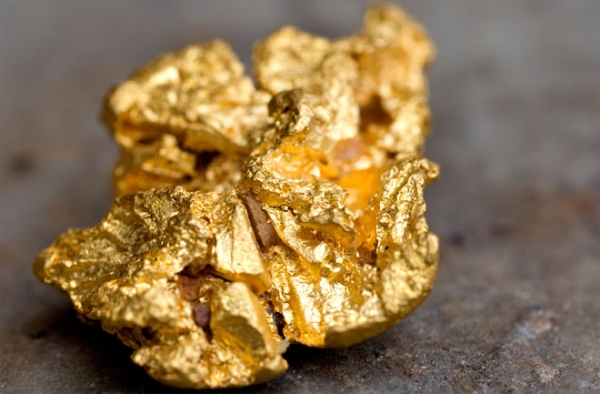
According to GoldBod, the arrangement has been carefully developed to support Ghana’s ambition of achieving accreditation from the London Bullion Market Association (LBMA) for at least one local gold refinery by the year 2030.
Under the implementation framework, all doré gold purchased by GoldBod will undergo local refining before being transported to an LBMA-accredited refinery for final melting and stamping. The processed gold will subsequently be delivered to the Bank of Ghana and incorporated into the country’s official gold reserves.
The initiative also aligns with the Ghana Accelerated National Reserve Accumulation Program (GANRAP), a national policy designed to build Ghana’s foreign reserves to achieve approximately 15 months of import cover by the end of 2028. Government officials have indicated that the programme supports broader economic stability objectives and reserve diversification strategies.
Additionally, the policy supports President John Dramani Mahama’s long-term vision of achieving zero raw mineral exports by 2030 through expanded domestic processing and value retention.
Economic observers believe the new agreement could contribute significantly to strengthening foreign exchange reserves while increasing local industrial activity.
For many years, Ghana’s mining sector has generated substantial export earnings but concerns remained regarding the limited domestic value captured from raw mineral exports.
By increasing local procurement and processing, policymakers expect more economic activity to remain within the country and support wider development goals.
Industry analysts note that local refining could stimulate investment in supporting industries, strengthen technical capacity, and create additional employment opportunities across the mining value chain.
The agreement also highlights a changing approach to mineral governance where governments increasingly seek to maximize returns from natural resources through strategic domestic participation.
Gold remains one of Ghana’s strongest economic assets and continues to play an important role in export performance and foreign exchange generation.
Recent efforts to formalize gold purchasing and improve reserve accumulation indicate a broader shift toward leveraging mineral wealth to support macroeconomic stability and national development objectives.
However, experts also emphasize that sustaining the success of such policies will require efficient implementation, transparency, and continued collaboration among mining companies, regulatory institutions, and government agencies.
Maintaining investor confidence while ensuring greater national benefit will remain important as the programme develops.
The Memorandum of Understanding supporting the agreement was signed by the Ministry of Finance, the Ministry of Lands and Natural Resources, GoldBod, the Bank of Ghana, and the Ghana Chamber of Mines.
GoldBod indicated that additional implementation details and operational guidelines under the agreement are expected to be released later to provide greater clarity on execution and compliance requirements.
The latest agreement represents one of the most significant developments in Ghana’s gold sector in recent years and is expected to shape future conversations around resource management, industrial growth, and long-term economic resilience.

