


Wonderful moment as a team promoted to premier league after 25 years of relegation
Coventry City’s long-awaited return to the top tier of English football after 25 years stands as one of the most compelling modern stories in the Premier League, a journey defined by resilience, reinvention, and a deep connection between club and community. For a generation of supporters, the climb back has been about more than football; it has been about restoring identity, pride, and a sense of belonging after decades marked by setbacks that at times threatened the very existence of the club. To understand how Coventry City F.C. achieved this milestone, it is necessary to revisit the long road from their relegation in 2001 to their eventual resurgence.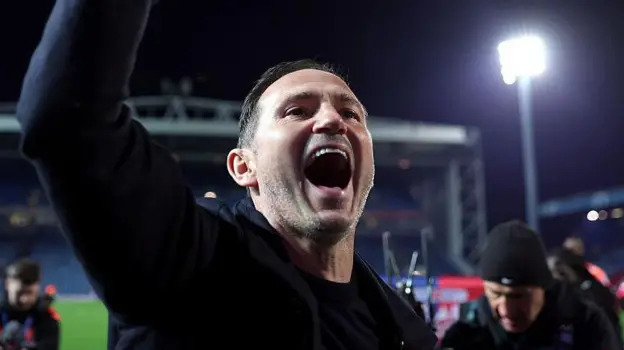
When Coventry were relegated from the Premier League at the end of the 2000–01 season, few could have predicted the scale of the struggles that would follow. The drop from the top flight initially seemed like a temporary setback, but financial instability, poor recruitment decisions, and managerial turnover quickly compounded the challenge. Over the next two decades, the club would experience a turbulent period that included relegation to lower divisions, ownership disputes, and even spells playing home matches away from their own city. These difficulties tested the loyalty of supporters, many of whom continued to back the team despite uncertain circumstances.
A key turning point in the club’s modern history came with the arrival of manager Mark Robins. First appointed in 2012 and then returning in 2017, Robins brought a sense of stability and long-term vision that had been missing. His approach combined tactical discipline with a strong emphasis on team cohesion, and he demonstrated a willingness to develop young talent while also making smart, cost-effective signings. Under his leadership, Coventry began to rebuild not just as a team but as an organization with clear direction.
The first major success of this new era came in 2018, when Coventry won the EFL League Two play-off final, securing promotion back to League One. That victory at Wembley Stadium was more than just a step up the football pyramid; it symbolized the beginning of a revival that had seemed unlikely only a few years earlier. The team displayed resilience and belief, qualities that would become hallmarks of their subsequent progress.
Momentum continued to build as Coventry adapted quickly to life in League One. Rather than merely aiming for survival, the club pushed for further advancement, combining a solid defensive structure with an increasingly effective attacking style. The 2019–20 season proved decisive, as Coventry finished top of League One—earning promotion to the Championship. Although the season was curtailed due to the COVID-19 pandemic, the team’s consistency over the campaign left little doubt about their deserving status as champions.
Returning to the Championship presented a new set of challenges. The division is widely regarded as one of the most competitive in world football, with clubs vying for promotion to the lucrative Premier League. Coventry approached this stage with pragmatism, focusing on consolidation rather than immediate success. Survival in the Championship required discipline, adaptability, and careful squad management, all of which were evident in Robins’ approach.
Recruitment played a crucial role in this phase. Rather than pursuing high-profile signings, Coventry focused on players who fit their system and ethos. The development of individuals such as Viktor Gyökeres added a new dimension to the team’s attacking play, while a solid defensive unit provided the foundation for consistent performances. The club also invested in data-driven scouting and sports science, ensuring that decisions were informed by both traditional expertise and modern analytics.
Off the pitch, improvements in club structure and ownership stability helped create an environment conducive to success. Financial discipline became a priority, with the club operating within its means while gradually strengthening its resources. The return to playing in Coventry after periods of exile further reinforced the bond between the team and its supporters, creating a sense of unity that translated into strong home performances.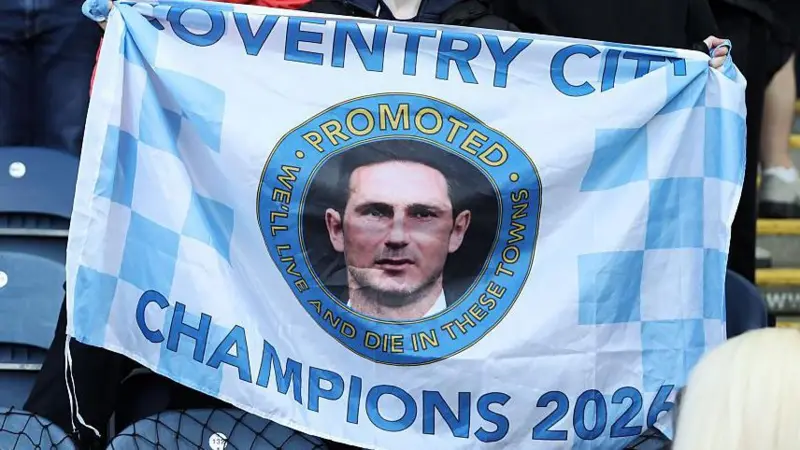
By the 2022–23 season, Coventry had established themselves as serious contenders for promotion. Their style of play combined defensive organization with quick transitions and effective use of wide areas, making them a difficult opponent for any team. Consistency was key, as the squad maintained a high level of performance over the course of a demanding season. The team’s ability to secure points in tight matches reflected both tactical maturity and mental strength.
The climax of the journey came through the play-offs, a high-pressure route that tests not only ability but also composure. Coventry navigated this stage with determination, culminating in a decisive victory that secured their return to the Premier League. The achievement marked the end of a 25-year absence and represented the culmination of years of effort, planning, and perseverance.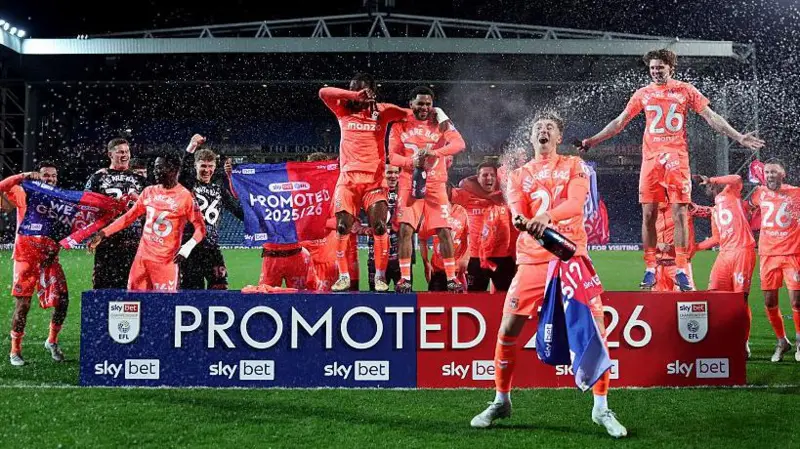
The significance of this promotion extends beyond the club itself. For the city of Coventry, it is a moment of pride and renewal, bringing increased visibility, economic opportunities, and a sense of collective achievement. Matchdays are expected to attract larger crowds and generate greater interest, benefiting local businesses and strengthening community engagement.
From a footballing perspective, Coventry’s rise offers valuable lessons. It demonstrates the importance of stability, long-term planning, and alignment between management, players, and supporters. In an era where many clubs pursue rapid success through heavy spending, Coventry’s approach highlights the effectiveness of sustainable growth and strategic decision-making.
The role of leadership cannot be overstated. Mark Robins’ tenure has provided continuity and clarity, enabling the club to build incrementally rather than react impulsively to short-term setbacks. His ability to adapt tactics, nurture talent, and maintain morale has been central to the team’s success. Equally important has been the contribution of players who embraced the club’s vision and delivered consistent performances under pressure.
Looking ahead, the challenge for Coventry will be to compete in the Premier League while maintaining the principles that brought them there. The step up in quality is significant, and survival will require further strengthening of the squad, careful resource management, and continued tactical innovation. However, the club’s recent history suggests that it is well equipped to face these challenges.
Supporters will play a vital role in this next chapter. The loyalty shown during difficult years has been a defining feature of Coventry’s identity, and the return to the top flight offers an opportunity to celebrate that commitment. The atmosphere at home matches is likely to be a key factor, providing the team with energy and encouragement in what will be a demanding environment.
In conclusion, the return of Coventry City F.C. to the Premier League after 25 years is a story of resilience, strategic planning, and collective effort. It reflects the power of perseverance in the face of adversity and the value of building a strong foundation for long-term success. As the club prepares for life back in the top tier, its journey serves as an inspiration not only to its supporters but also to other teams seeking to navigate the complex path of modern football.
Related posts:
- Africa’s World Cup revolution silences critics of expansion
- In June 2026, Ghana experienced its most significant rainfall ever recorded. Muntaka informed Parliament that President Mahama has approved the release of 350 million from the emergency fund.
- Rapper Offset shot outside Florida casino
- UEW OPENS APPLICATION FOR 2026,2027 ACCADEMIC YEAR

