


Table of Contents
ToggleKwame Nkrumah Memorial Park Drives Diaspora Tourism Growth in Ghana

Ghana’s renewed push to position itself as a leading destination for diaspora tourism is gaining momentum, with the iconic Kwame Nkrumah Memorial Park emerging as a central pillar in the country’s cultural and historical appeal.
Located in the heart of Accra, the park is more than just a national monument. It is a symbol of African liberation, identity, and unity—values that continue to resonate deeply with people of African descent around the world. In recent years, the site has seen a surge in visitors from the diaspora, contributing significantly to Ghana’s tourism sector and broader economic growth.
A Historic Landmark with Global Significance
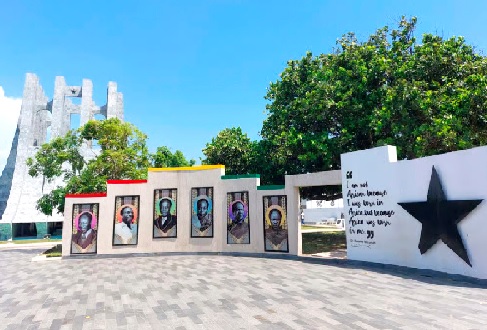
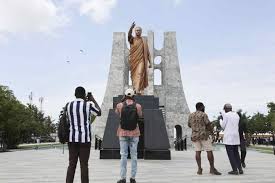
The Kwame Nkrumah Memorial Park is dedicated to Kwame Nkrumah, Ghana’s first president and a leading figure in Africa’s independence movement. The park houses his mausoleum, a museum filled with personal artifacts, and expansive gardens that offer a reflective space for visitors.
For many in the African diaspora, visiting the park is a deeply emotional experience. It provides an opportunity to connect with a shared history rooted in resilience, struggle, and triumph. The story of Nkrumah’s leadership and vision for a united Africa continues to inspire generations far beyond Ghana’s borders.
Tour guides at the park often recount the milestones that defined Ghana’s journey to independence, including the historic Ghana Independence 1957. These narratives serve as powerful reminders of the sacrifices made to achieve freedom and self-determination.
 The Rise of Diaspora Tourism
Diaspora tourism has become a key focus for Ghana’s tourism strategy, particularly following initiatives like the “Year of Return” in 2019 and subsequent campaigns aimed at strengthening ties with people of African descent worldwide.
The Ghana Tourism Authority has identified heritage sites such as the Kwame Nkrumah Memorial Park as essential anchors for this effort. These locations offer authentic cultural experiences that go beyond leisure, allowing visitors to explore identity, ancestry, and history.
According to tourism officials, diaspora visitors are among the highest-spending tourists, often staying longer and engaging more deeply with local communities. Their presence supports a wide range of sectors, including hospitality, transportation, crafts, and cultural events.
Renovation and Modernization Efforts
To meet growing demand and enhance visitor experience, the Kwame Nkrumah Memorial Park recently underwent a major redevelopment. The upgrades included modern exhibition spaces, improved landscaping, digital installations, and better visitor facilities.
These improvements have transformed the park into a world-class heritage site capable of hosting international tourists while preserving its historical integrity. Interactive displays and multimedia presentations now provide a more immersive experience, making the site appealing to younger generations and tech-savvy visitors.
The redevelopment aligns with Ghana’s broader goal of becoming a top cultural tourism destination in Africa. By investing in infrastructure and storytelling, the country aims to compete with other global heritage destinations.
Economic Impact on Local Communities
The growth of diaspora tourism around the park has had a noticeable impact on local businesses in Accra. Vendors selling traditional crafts, clothing, and souvenirs have benefited from increased foot traffic, while nearby restaurants and hotels have reported higher occupancy rates.
Tour guides, many of whom are young Ghanaians, have found new opportunities for employment. Their role goes beyond narration—they act as cultural ambassadors, bridging the gap between Ghana and its global diaspora.
Transportation services, including taxis and ride-hailing operators, also benefit from the influx of visitors. This ripple effect demonstrates how a single heritage site can contribute to broader economic activity.
Cultural Reconnection and Identity
For many diaspora visitors, a trip to the Kwame Nkrumah Memorial Park is part of a larger journey of self-discovery. It is not uncommon for visitors to describe their experience as transformative.
Standing at the final resting place of Kwame Nkrumah, many reflect on themes of identity, belonging, and heritage. The park provides a tangible link to a past that is often fragmented or inaccessible for those whose ancestors were displaced during the transatlantic slave trade.
In this context, Ghana has positioned itself as a welcoming home for the diaspora. The country’s message of unity and reconnection has resonated strongly, attracting visitors from the United States, the Caribbean, Europe, and beyond.
Government Support and Policy Direction
The Ghanaian government continues to prioritize tourism as a key driver of economic diversification. Initiatives aimed at boosting diaspora tourism include simplified visa processes, investment incentives, and cultural exchange programs.
The Ministry of Tourism, Arts and Culture has emphasized the importance of preserving historical sites while making them accessible to a global audience. Partnerships with private investors and international organizations have also played a role in funding redevelopment projects.
Efforts are underway to integrate the Kwame Nkrumah Memorial Park into broader tourism circuits that include other महत्वपूर्ण heritage sites across the country. This approach encourages visitors to explore multiple regions, spreading economic benefits more evenly.
Challenges and Sustainability
Despite its success, the growth of diaspora tourism presents certain challenges. Managing large crowds while preserving the integrity of historical sites requires careful planning and investment.
There is also a need to ensure that local communities remain active participants in the tourism value chain. Inclusive policies are essential to prevent economic disparities and ensure that benefits are widely shared.
Environmental sustainability is another consideration. Increased visitor numbers can place pressure on infrastructure and natural resources, making it important to adopt eco-friendly practices.
The Role of Storytelling in Tourism
One of the most powerful aspects of the Kwame Nkrumah Memorial Park is its ability to tell a story. Through exhibits, guided tours, and cultural performances, visitors are immersed in a narrative that connects past and present.
Storytelling plays a crucial role in diaspora tourism. It transforms historical facts into meaningful experiences, allowing visitors to engage emotionally with the site.
Digital technology is enhancing this aspect of tourism. Audio guides, virtual reality experiences, and interactive displays are helping to bring history to life in new and engaging ways.
International Recognition and Partnerships
Ghana’s efforts to promote diaspora tourism have attracted international attention. The country is increasingly being recognized as a model for leveraging heritage and culture to drive tourism growth.
Collaborations with international travel organizations, cultural institutions, and diaspora groups have helped to amplify Ghana’s message. These partnerships are essential for reaching a global audience and sustaining long-term interest.
Events, festivals, and conferences held at or near the Kwame Nkrumah Memorial Park further boost its visibility. Such gatherings provide platforms for cultural exchange and dialogue, reinforcing Ghana’s position as a hub for African heritage.
Looking Ahead: A Vision for the Future
As Ghana continues to develop its tourism sector, the Kwame Nkrumah Memorial Park is expected to play an even greater role. Plans for future expansion and programming aim to enhance its appeal and accommodate growing visitor numbers.
Educational initiatives are also being explored, including partnerships with schools and universities. These programs would position the park as a center for learning and research, attracting students and scholars from around the world.
The integration of technology, sustainability practices, and community engagement will be key to ensuring the park’s long-term success.
Conclusion
The Kwame Nkrumah Memorial Park stands as a powerful symbol of Ghana’s history and its connection to the global African diaspora. Its role in driving diaspora tourism highlights the potential of cultural heritage as an engine for economic growth and social cohesion.
As visitors continue to arrive in Accra to explore the legacy of Kwame Nkrumah, the park serves as both a destination and a journey—one that bridges continents, generations, and identities.
In an increasingly interconnected world, Ghana’s commitment to preserving its heritage while embracing its global community offers a compelling model for the future of tourism.
Related posts:
- Nigerian singer and performer Iyanya has opened up about how the demands and pressures of celebrity life have significantly affected his personal relationships, explaining why he remains single at 39
- Volta Region Records Ghana’s Lowest Divorce Rate at 2.8% — What the Data Reveals
- Alleged Kidnapping and Robbery Case Involving Gucci Mane and Pooh Shiesty Draws Attention
- Noise gets rewarded more than quality in Nollywood– Deyemi Okanlawon

