



The Minority in Parliament has urged the government to provide a bailout for cocoa farmers rather than imposing what they describe as a “haircut” through policies that reduce payments, delay compensation, or restructure financial obligations in ways that ultimately hurt producers. The call comes amid growing concern over falling real incomes, rising production costs, and the broader economic pressures facing Ghana’s cocoa sector — a cornerstone of the national economy and a critical source of livelihood for hundreds of thousands of rural households.
Ghana Cocoa Board Under Pressure
Ghana Cocoa Board (COCOBOD), the state agency responsible for regulating, purchasing, and marketing cocoa in Ghana, plays a central role in determining the fortunes of farmers. It sets producer prices, provides inputs such as fertilizers and seedlings, and negotiates international sales contracts.
However, in recent seasons, COCOBOD has faced financial strain due to a combination of factors including declining production, global price volatility, high operational costs, and currency depreciation. These challenges have led to debates about how best to stabilize the sector without transferring the burden to farmers.
According to the Minority, any attempt to restructure cocoa-related debts, delay payments, or reduce farmgate prices amounts to a “haircut” that disproportionately affects farmers who are already operating on thin margins. Instead, they argue, the government should consider a direct bailout package to safeguard rural livelihoods and protect a strategic national industry.
Cocoa’s Strategic Importance to Ghana
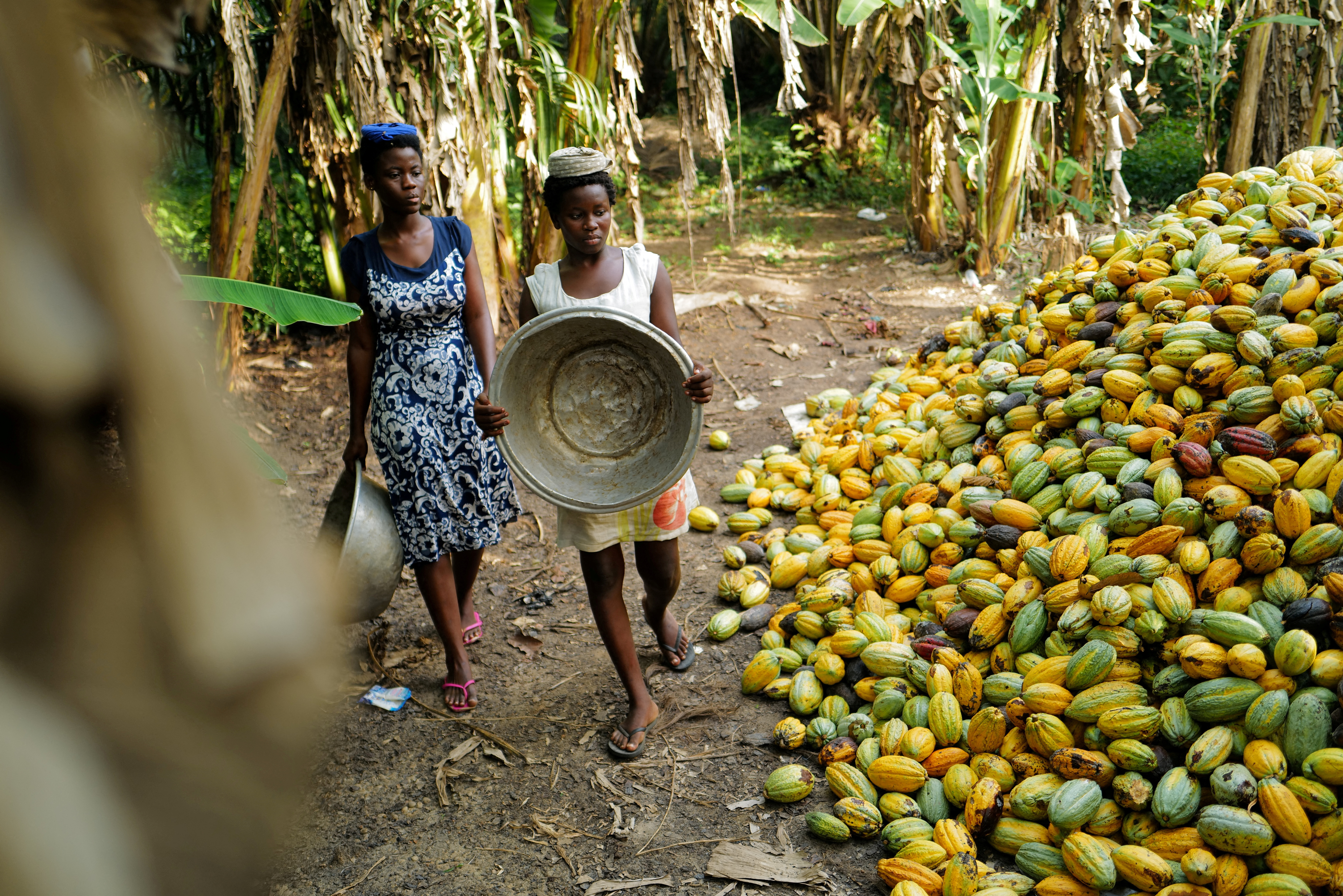


Ghana is the world’s second-largest cocoa producer after Côte d’Ivoire. Cocoa exports generate billions of dollars in foreign exchange annually and account for a significant share of agricultural GDP. Beyond macroeconomic figures, the crop supports the incomes of more than 800,000 smallholder farmers and their families.
In many cocoa-growing communities across regions such as Ashanti, Western North, and Eastern, the crop is not merely a commodity — it is the backbone of local economies. It funds children’s education, healthcare expenses, housing construction, and community development projects.
The Minority contends that weakening the sector through reduced support risks triggering a ripple effect across rural economies. If farmers cannot sustain production due to financial hardship, national output could decline further, worsening foreign exchange challenges and undermining Ghana’s reputation in global cocoa markets.
What Does “Haircut” Mean in This Context?
In financial terms, a “haircut” usually refers to a reduction in the value of an asset or a restructuring arrangement where creditors accept less than the original amount owed. In the cocoa sector, the term has been used to describe scenarios such as:
-
Delayed payment of bonuses or arrears owed to farmers
-
Reduction in producer prices despite global price increases
-
Restructuring of COCOBOD’s debts in ways that constrain operational spending
-
Cuts to subsidies on fertilizers and other inputs
The Minority argues that these measures effectively shift financial pain from the state to the farmer. They maintain that smallholder farmers, unlike large corporations, lack financial buffers. Many depend on seasonal harvest income to survive the entire year.
The Case for a Bailout
A bailout, as proposed by the Minority, would involve direct financial intervention by the government to stabilize COCOBOD and ensure farmers receive fair and timely compensation. This could take several forms:
1. Direct Fiscal Support
The government could allocate budgetary resources to clear outstanding arrears, finance input subsidies, and maintain competitive producer prices. This would prevent abrupt shocks to farmer incomes.
2. Debt Assumption
If COCOBOD’s debt obligations are constraining its operations, the central government could assume part of the debt or refinance it under more favorable terms. This would reduce pressure on operational funds that ultimately support farmers.
3. Targeted Farmer Assistance
Emergency grants or concessional loans could be extended directly to cocoa farmers to offset rising input costs and climate-related losses.
The Minority insists that such measures are not handouts but strategic investments. By strengthening the cocoa sector, the government would be safeguarding export revenues and stabilizing rural communities.
Rising Production Costs and Climate Risks

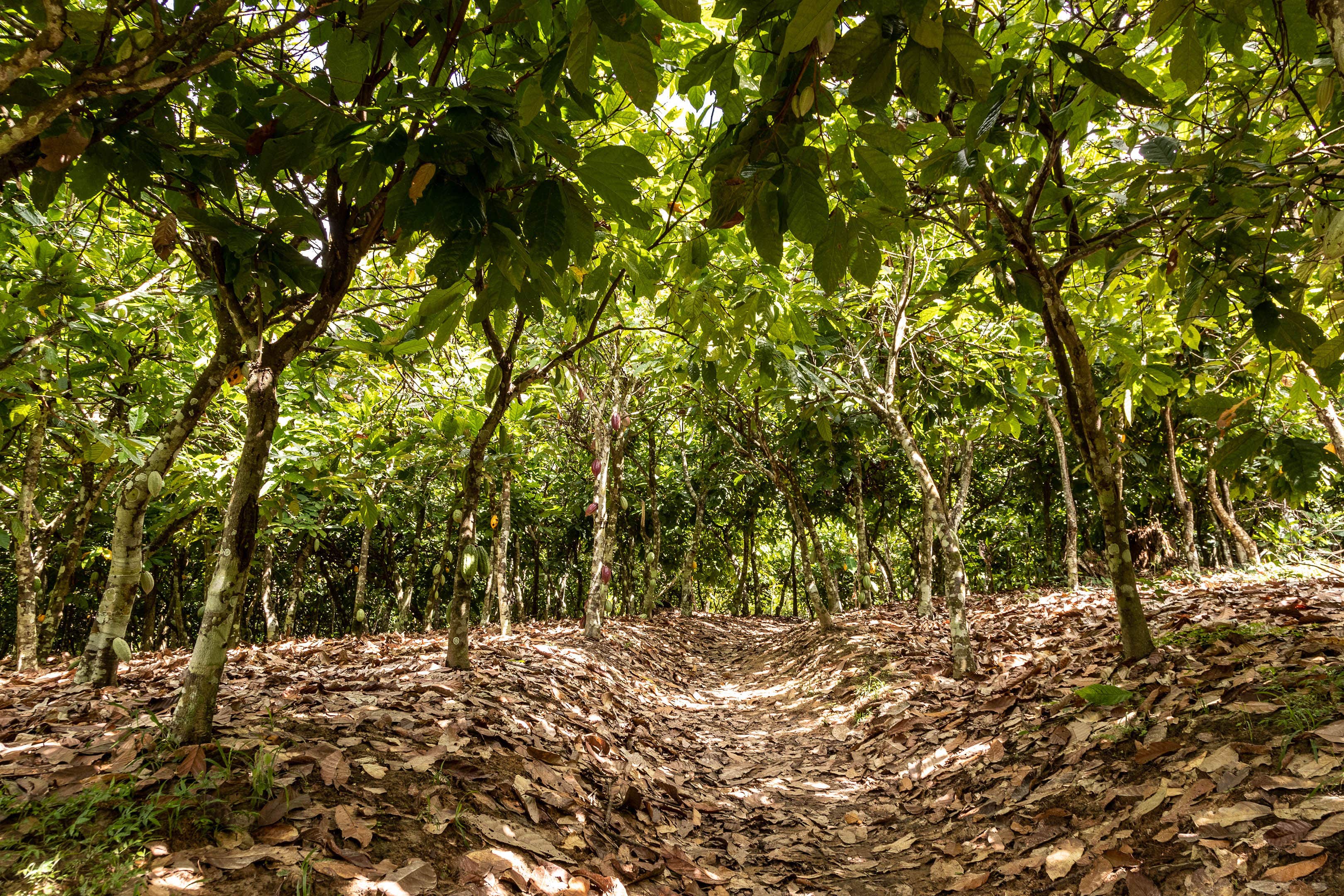
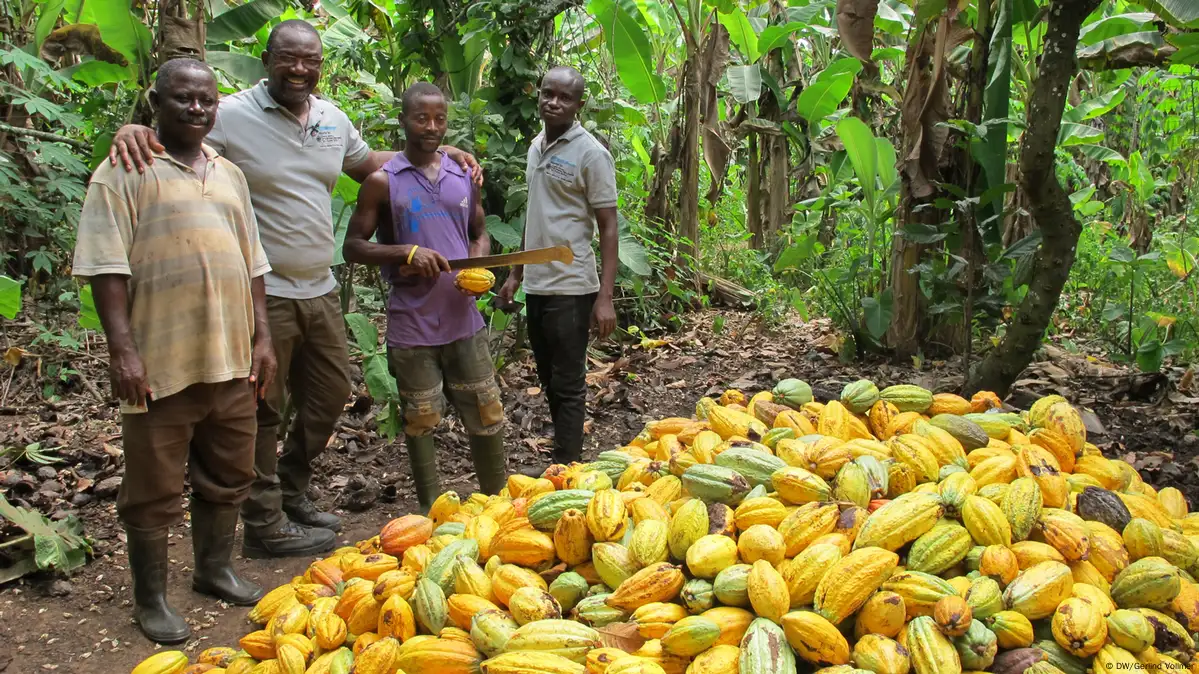
Cocoa farmers face mounting challenges beyond financial policy debates. Climate change has introduced irregular rainfall patterns, prolonged dry spells, and increased incidence of pests and diseases such as cocoa swollen shoot virus.
At the same time, input costs have surged. Fertilizers, pesticides, and labor expenses have risen significantly in recent years, squeezing profit margins. When farmgate prices fail to keep pace with inflation, real incomes decline sharply.
The Minority argues that under these circumstances, asking farmers to absorb additional financial strain through “haircuts” is unsustainable. Without adequate support, some may abandon cocoa cultivation altogether, leading to long-term production declines.
Government’s Fiscal Constraints
While the call for a bailout resonates with many stakeholders, the government faces its own fiscal pressures. Ghana has undergone economic restructuring efforts in recent years, including negotiations with international creditors and domestic bondholders. Public debt levels and inflation have constrained the government’s ability to expand spending freely.
Supporters of cautious fiscal management argue that large bailouts could exacerbate budget deficits or crowd out spending in other critical sectors such as health and education. They emphasize the need for structural reforms within COCOBOD to improve efficiency, reduce administrative costs, and enhance transparency.
The Minority, however, maintains that the cocoa sector’s strategic importance justifies exceptional intervention. They stress that failure to act may cost the nation more in lost export revenue than the price of a bailout.
Protecting Ghana’s Global Reputation
Ghanaian cocoa is globally recognized for its high quality. International buyers often pay a premium for beans sourced from Ghana due to their consistent flavor and quality standards.
If financial distress leads to reduced investment in farm maintenance, quality control, and disease management, the country’s competitive edge could erode. Lower yields and compromised bean quality would diminish Ghana’s bargaining power in international markets.
The Minority warns that safeguarding farmer welfare is integral to protecting this global reputation. A bailout, they argue, would send a strong signal that Ghana remains committed to sustaining its cocoa industry.
Social and Economic Stability
Beyond economics, cocoa farming has deep social implications. Rural poverty reduction efforts in Ghana have long relied on cocoa income. When farmers thrive, communities benefit through improved housing, education, and local commerce.
Conversely, declining incomes can fuel rural-urban migration, unemployment, and social strain. Younger generations may abandon farming, leading to aging farmer populations and reduced productivity.
The Minority frames the bailout proposal as a social protection measure. In their view, supporting cocoa farmers aligns with broader national development goals, including poverty reduction and inclusive growth.
Calls for Transparency and Reform
While advocating for a bailout, the Minority has also emphasized the need for accountability within COCOBOD. They argue that financial intervention must be accompanied by reforms to ensure sustainability.
These reforms could include:
-
Strengthening procurement oversight
-
Reducing administrative overheads
-
Improving traceability and digital payment systems
-
Enhancing farmer representation in decision-making
By pairing financial support with structural improvements, Ghana could build a more resilient cocoa sector.
A National Conversation
The debate over bailout versus haircut reflects larger questions about economic priorities, fiscal responsibility, and social equity. At its core lies a fundamental issue: who should bear the cost of economic hardship?
For the Minority, the answer is clear. Smallholder cocoa farmers, who form the backbone of the sector, should not be the ones to shoulder the burden. They argue that strategic government support is not only fair but economically prudent.
For policymakers, the challenge will be balancing fiscal discipline with the urgent need to protect livelihoods and sustain a key export industry.
Conclusion
The call to “give cocoa farmers a bailout, not a haircut” underscores the tension between economic restructuring and social protection. Ghana’s cocoa sector remains a pillar of the national economy, but it is under strain from financial, climatic, and operational pressures.
Providing targeted financial support could stabilize incomes, preserve production levels, and maintain Ghana’s standing in global markets. However, any intervention must be paired with reforms that promote efficiency and transparency within COCOBOD.
As the debate continues, one point remains indisputable: the well-being of cocoa farmers is inseparable from the health of Ghana’s economy. Decisions made today will shape not only the future of the cocoa industry but also the prospects of hundreds of thousands of rural families who depend on it.

