


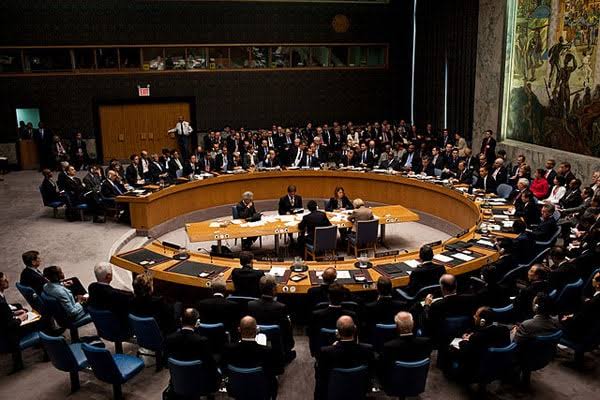
In a rapidly changing world marked by geopolitical tensions, economic uncertainty, technological disruption, and climate-related challenges, heads of state and government from across the globe gathered for a high-level international summit focused on strengthening global security and promoting sustainable economic growth. The meeting brought together political leaders, diplomats, economists, business representatives, and international organizations to discuss some of the most pressing issues facing humanity.
The summit reflected a growing recognition that today’s challenges cannot be solved by individual nations acting alone. From regional conflicts and cybersecurity threats to inflation, supply chain disruptions, and climate change, countries increasingly depend on cooperation, dialogue, and coordinated action. The gathering aimed to build consensus on shared priorities while encouraging practical solutions that can deliver long-term stability and prosperity.
Security Takes Center Stage
One of the primary topics of discussion was global security. Leaders acknowledged that the international security environment has become increasingly complex over the past decade. Traditional military concerns continue to exist, but new threats—including cyberattacks, disinformation campaigns, terrorism, and transnational crime—have added layers of complexity to national defense strategies.
Delegates emphasized the importance of diplomacy as the first line of defense against conflict. Many speakers argued that open communication channels, confidence-building measures, and multilateral institutions remain essential tools for reducing tensions between nations. While disagreements over regional disputes persisted, participants generally agreed that peaceful dialogue remains preferable to prolonged confrontation.
Cybersecurity received particular attention throughout the summit. As governments, businesses, and individuals become more dependent on digital infrastructure, protecting critical systems has become a global priority. Experts warned that cyberattacks targeting financial institutions, healthcare providers, transportation networks, and government agencies have increased in both sophistication and frequency.
Several countries proposed greater international cooperation in cybersecurity, including information sharing, coordinated responses to cyber incidents, and the development of common standards for protecting digital infrastructure. Such measures, participants argued, could improve resilience while reducing the risks associated with increasingly interconnected economies.
Economic Recovery Remains a Shared Goal
Economic challenges formed the second major pillar of the summit. Although many countries have demonstrated resilience in recent years, leaders acknowledged that global growth continues to face significant obstacles. Inflationary pressures, rising public debt, labor shortages, and uneven recovery across regions have created uncertainty for businesses and households alike.
Finance ministers and central bank representatives presented assessments of current economic conditions, highlighting both encouraging trends and ongoing risks. Some economies have experienced stronger employment growth and declining inflation, while others continue to struggle with weak investment, high borrowing costs, and sluggish productivity.
Participants emphasized that sustainable economic growth depends on sound fiscal policies, responsible monetary management, and investment in productive sectors. Infrastructure development, technological innovation, education, and workforce training were repeatedly identified as key drivers of future prosperity.
Business leaders attending the summit stressed the importance of predictable regulatory environments and open markets. They argued that long-term investment decisions require policy stability and international cooperation to reduce unnecessary barriers to trade and investment.
Strengthening Global Trade

Trade remained a central topic throughout the discussions. Delegates recognized that international commerce has played a significant role in reducing poverty, expanding markets, and supporting innovation. However, disruptions to global supply chains have exposed vulnerabilities that many governments are now seeking to address.
Leaders discussed strategies for improving supply chain resilience without undermining the benefits of international trade. Diversifying suppliers, investing in transportation infrastructure, and increasing regional cooperation were among the proposals considered.
Digital trade also emerged as an increasingly important issue. The rapid expansion of e-commerce, digital payments, and online services has transformed the global economy. Participants examined ways to modernize trade rules to reflect technological advancements while protecting consumers and ensuring fair competition.
Many countries supported initiatives to help developing economies participate more fully in digital commerce by expanding internet access, improving digital literacy, and strengthening technological infrastructure.
Artificial Intelligence and Emerging Technologies
Artificial intelligence featured prominently in the summit’s agenda. Government officials, technology executives, and academic experts discussed both the opportunities and risks associated with rapid advances in AI.
Supporters highlighted AI’s potential to improve healthcare, education, manufacturing, agriculture, and scientific research. Machine learning technologies are already helping organizations analyze large datasets, automate repetitive tasks, and develop innovative products and services.
At the same time, participants acknowledged legitimate concerns regarding privacy, algorithmic bias, misinformation, intellectual property, workforce displacement, and ethical governance.
Several delegations advocated for international cooperation in establishing principles for responsible AI development. Rather than restricting innovation, many argued that carefully designed regulatory frameworks could promote public trust while encouraging continued technological progress.
The summit also examined the importance of investing in digital skills to prepare workers for changing labor markets. Education systems, participants noted, must evolve alongside technological advances to ensure that future generations possess the knowledge required in increasingly digital economies.
Climate Change and Sustainable Development
Environmental sustainability remained a recurring theme across multiple sessions. Leaders recognized that climate-related events continue to affect agriculture, infrastructure, public health, and economic development around the world.
Discussions focused on balancing environmental protection with economic growth. Many governments emphasized investments in renewable energy, energy efficiency, sustainable transportation, and climate-resilient infrastructure.
Private sector representatives highlighted growing investor interest in sustainable finance and clean technologies. They argued that innovation can simultaneously reduce emissions, create jobs, and stimulate economic growth.
Developing countries called for increased financial support and technology transfer to help them pursue sustainable development while adapting to changing environmental conditions.
Participants generally agreed that international collaboration remains essential to addressing climate challenges effectively, particularly because environmental issues often transcend national borders.
Food and Energy Security
Food security emerged as another major concern. Rising production costs, changing weather patterns, and supply chain disruptions have affected agricultural markets in many regions.
Agricultural experts encouraged governments to invest in research, irrigation systems, improved crop varieties, and modern farming techniques to enhance productivity while protecting natural resources.
Leaders also discussed strategies for reducing food waste, strengthening regional food systems, and supporting small-scale farmers who play critical roles in local economies.
Energy security received equal attention. Countries explored ways to diversify energy sources while maintaining affordable access for households and businesses. Investments in renewable energy, modern electrical grids, energy storage technologies, and improved efficiency were widely viewed as essential components of long-term energy resilience.
Healthcare Cooperation
Public health remained an important element of international cooperation discussions. Health ministers emphasized the importance of strengthening healthcare systems, improving disease surveillance, and expanding access to essential medical services.
Participants encouraged greater collaboration in medical research, pharmaceutical innovation, and emergency preparedness. Lessons learned from recent global health emergencies have reinforced the importance of rapid information sharing and coordinated international responses.
Digital health technologies, including telemedicine and electronic health records, were identified as promising tools for expanding healthcare access, particularly in underserved communities.
Education and Workforce Development
Education was recognized as one of the most important long-term investments any nation can make. Leaders emphasized improving access to quality education at every level while expanding vocational training and lifelong learning opportunities.
As automation transforms industries, workers increasingly require new skills to remain competitive. Governments discussed partnerships with educational institutions and private employers to develop training programs aligned with labor market needs.
Digital literacy, critical thinking, communication, and technical expertise were consistently identified as essential competencies for future economic success.
The Role of International Institutions
Representatives from international organizations highlighted the continuing importance of multilateral cooperation. They argued that global institutions provide valuable platforms for dialogue, conflict resolution, humanitarian assistance, and coordinated economic policy.
Many speakers acknowledged that international organizations must continue evolving to remain effective in addressing twenty-first-century challenges. Greater transparency, accountability, and inclusiveness were identified as priorities for strengthening public confidence in global governance.
Business and Investment Opportunities
The summit also served as a platform for encouraging international investment. Business forums connected government officials with investors interested in infrastructure, renewable energy, manufacturing, technology, healthcare, and financial services.
Participants emphasized that attracting investment requires sound governance, transparent regulations, reliable legal systems, and stable macroeconomic policies.
Entrepreneurs highlighted the growing role of startups in driving innovation and creating employment opportunities. Access to financing, mentorship, and digital infrastructure were cited as critical factors supporting entrepreneurial success.
Youth Perspectives
Young leaders participated in dedicated sessions focusing on innovation, sustainability, and civic engagement. Many emphasized the importance of including younger generations in policymaking processes, arguing that today’s decisions will shape tomorrow’s world.
Youth representatives advocated for greater investment in education, environmental protection, entrepreneurship, and digital inclusion. Their contributions underscored the importance of intergenerational collaboration in addressing global challenges.
Areas of Consensus
Despite differing national priorities, several areas of broad agreement emerged during the summit:
- Peaceful dialogue remains preferable to conflict.
- Economic growth should be inclusive and sustainable.
- Technological innovation requires responsible governance.
- Climate resilience demands international cooperation.
- Education and workforce development are essential for future prosperity.
- Strong institutions support long-term stability.
- Public-private partnerships can accelerate innovation and investment.
Challenges Ahead
While the summit demonstrated a willingness to cooperate, significant challenges remain. Political differences, economic competition, regional conflicts, and varying national priorities may complicate efforts to implement ambitious agreements.
Observers noted that successful international cooperation depends not only on declarations but also on sustained political commitment, adequate financing, and measurable progress over time.
Countries will need to translate broad policy goals into concrete actions through domestic legislation, bilateral partnerships, regional initiatives, and multilateral agreements.
Looking Forward
As the summit concluded, participating leaders expressed cautious optimism about the future. Although global challenges remain substantial, the discussions reinforced the value of diplomacy, cooperation, and shared responsibility.
The meeting demonstrated that while nations may differ in their approaches, they share many common interests, including economic stability, public safety, technological progress, environmental sustainability, and improved quality of life for their citizens.
Future meetings are expected to review progress, strengthen partnerships, and identify new opportunities for collaboration. The effectiveness of these efforts will ultimately depend on sustained engagement, mutual trust, and the willingness of governments, businesses, civil society, and international organizations to work together.
In an increasingly interconnected world, no country operates in isolation. Decisions made in one region can have significant consequences elsewhere, making international dialogue more important than ever. As global leaders return to their respective nations, the true measure of the summit’s success will be reflected not only in official statements but in tangible progress toward a safer, more prosperous, and more resilient world.

