


Capital City, August 3 — In a landmark decision expected to shape the nation’s political and legal landscape for years to come, the Supreme Court today issued a closely watched ruling in a major political case that has dominated public debate for months. The judgment, delivered before a packed courtroom and broadcast live across multiple media platforms, addressed constitutional questions that had significant implications for government authority, electoral processes, and the balance of powers among state institutions.
The decision marks the culmination of months of legal arguments, public demonstrations, parliamentary debate, and intense scrutiny from constitutional scholars, political leaders, civil society organizations, and international observers. While the ruling resolves the legal dispute before the court, analysts say its political consequences are likely to unfold over the coming months as lawmakers, government officials, and opposition parties interpret and respond to the judgment.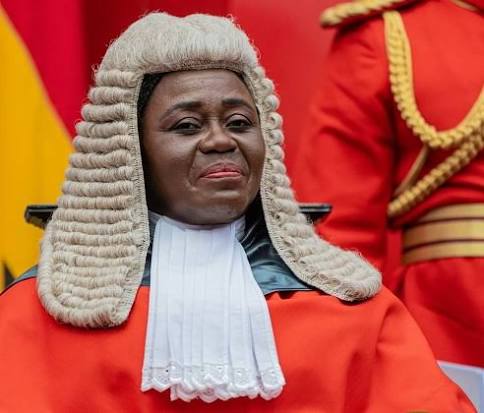
The courtroom was filled to capacity well before proceedings began. Attorneys representing both sides, journalists, diplomats, legal experts, and members of the public gathered in anticipation of a ruling widely regarded as one of the most significant constitutional decisions in recent history. Security around the courthouse was heightened, with authorities deploying additional personnel to maintain order as supporters of various political groups assembled peacefully outside.
Delivering the majority opinion, the Chief Justice emphasized that the Constitution remains the supreme law of the nation and that all branches of government are bound by its provisions. The court stated that constitutional principles must guide political decision-making regardless of the circumstances or the popularity of particular policies.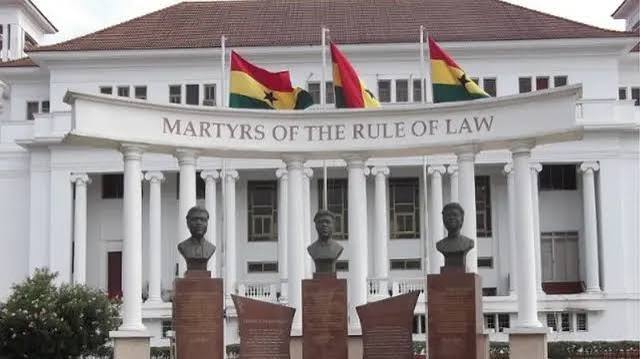
“The Constitution provides the framework within which democratic governance operates,” the Chief Justice said while reading portions of the judgment. “The responsibility of this Court is not to determine political outcomes but to ensure that constitutional requirements are faithfully observed.”
According to the ruling, the disputed government action exceeded constitutional limits in certain respects while remaining lawful in others. The court therefore issued a mixed judgment that partially upheld and partially rejected the claims brought before it. Legal analysts described the decision as carefully balanced, attempting to preserve institutional stability while reinforcing constitutional safeguards.
The case originated several months ago after opposition lawmakers and a coalition of civic organizations challenged a controversial government decision affecting political administration. Petitioners argued that the measures violated constitutional protections and undermined democratic accountability. Government lawyers, however, maintained that the executive branch acted within powers granted under existing law and that extraordinary circumstances justified its decisions.
Throughout the hearings, attorneys presented extensive constitutional arguments supported by historical precedents, legislative records, and expert testimony. The proceedings attracted unprecedented public attention, with many hearings streamed live and discussed extensively across television networks, newspapers, radio programs, and social media platforms.
The court’s opinion examined multiple constitutional provisions, including those governing executive authority, legislative oversight, judicial independence, and the protection of fundamental rights. Rather than adopting a broad political approach, the justices analyzed each legal question individually, explaining the constitutional reasoning supporting their conclusions.
Legal scholars noted that the judgment reinforces the principle that government institutions operate within clearly defined constitutional boundaries. At the same time, the court acknowledged that elected officials retain significant discretion when exercising powers explicitly granted by law.
Government officials welcomed portions of the ruling that affirmed the legality of several administrative decisions while indicating they would carefully review sections requiring policy adjustments. In a brief statement issued shortly after the judgment, a government spokesperson said the administration respects the independence of the judiciary and remains committed to implementing the court’s directives.
“The government acknowledges today’s decision and will study the judgment in detail before determining the appropriate administrative and legislative steps,” the statement said. “We remain committed to constitutional governance and the rule of law.”
Opposition leaders described the ruling as an important victory for constitutional accountability, arguing that the judgment confirmed long-standing concerns regarding the disputed policies. However, they also urged supporters to remain peaceful and allow democratic institutions to continue functioning without disruption.
“This decision demonstrates that constitutional checks and balances remain effective,” one opposition leader told reporters outside Parliament. “Today’s judgment strengthens democratic institutions and reminds every public office that no authority exists above the Constitution.”
Civil society organizations broadly welcomed the emphasis on judicial independence. Several advocacy groups praised the court for providing detailed legal reasoning instead of issuing a narrowly procedural decision. Constitutional experts observed that the judgment may serve as a reference point for future disputes involving executive power and legislative oversight.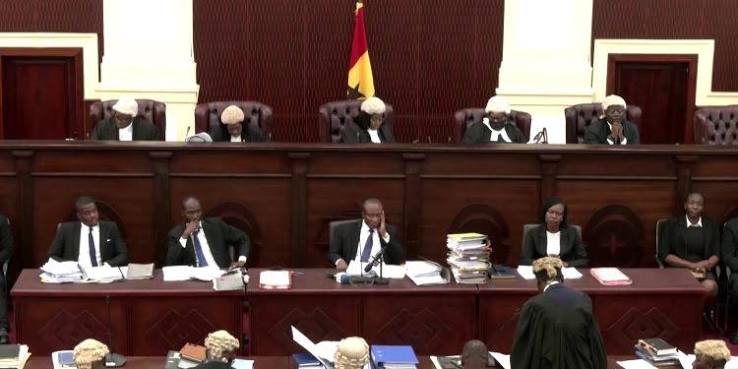
Business leaders reacted cautiously, noting that political certainty is essential for investor confidence. Financial markets initially showed limited movement following the announcement, with economists suggesting that investors had anticipated a measured decision rather than a dramatic legal shift. Analysts said the longer-term economic impact will depend largely on how political leaders implement the ruling.
International observers also followed developments closely. Diplomatic missions released statements encouraging all political actors to respect the court’s decision and continue resolving differences through democratic institutions. Regional organizations emphasized the importance of maintaining stability while implementing constitutional reforms where necessary.
Outside the courthouse, reactions reflected the nation’s political diversity. Supporters of both major political camps celebrated aspects of the ruling they considered favorable while expressing disappointment over sections that did not align with their expectations. Police reported that gatherings remained largely peaceful throughout the day, with only minor incidents requiring intervention.
Political analysts suggested that the judgment is unlikely to end political disagreements entirely. Instead, they expect debates to shift toward Parliament, where legislators may now consider amendments or new legislation designed to comply with the court’s constitutional interpretation.
Several constitutional law professors described the decision as legally significant because it clarified ambiguities that had existed for years. They noted that the court carefully distinguished between political disagreement—which belongs in democratic debate—and constitutional compliance—which falls within judicial review.
“The importance of today’s ruling lies not only in its immediate outcome but in the constitutional principles it establishes,” one professor said during a televised panel discussion. “Future governments of every political persuasion will likely rely on this judgment when interpreting similar constitutional questions.”
The judgment spans hundreds of pages and addresses numerous legal arguments presented during weeks of hearings. Legal practitioners expect lower courts to cite its reasoning in future constitutional litigation involving government authority, administrative law, and electoral governance.
Members of Parliament from multiple parties indicated they would review the decision before determining whether legislative amendments are necessary. Several committee chairs announced plans to hold hearings examining the practical implications of the ruling and identifying any statutory provisions requiring revision.
Public opinion remained divided following the announcement. Some citizens viewed the judgment as evidence that democratic institutions function effectively even during periods of political tension. Others argued that lasting solutions require broader political dialogue beyond courtroom litigation.
Social media platforms experienced heavy activity throughout the day as citizens shared excerpts from the judgment, legal commentary, and reactions from political leaders. Fact-checking organizations urged the public to rely on the full text of the decision rather than isolated quotations circulating online.
Election officials also began examining the judgment’s implications for future electoral administration. Depending on the specific legislative response, certain procedures may require revision before the next national election. Officials emphasized that any necessary changes would follow established legal processes and include public consultation where appropriate.
Legal organizations praised the professionalism displayed during the proceedings. Representatives from national bar associations noted that both parties presented comprehensive constitutional arguments, allowing the court to address complex legal questions thoroughly.
The ruling is expected to become a major topic of discussion in universities, legal conferences, and public policy forums. Academic institutions have already announced seminars examining the constitutional principles established by the decision and their implications for democratic governance.
Despite differing political reactions, leaders across the political spectrum urged citizens to remain calm and respect the judicial process. Religious leaders, community organizations, and civic groups echoed those appeals, emphasizing national unity and peaceful democratic engagement.
Economists observed that political stability following the ruling could prove more important than the specific legal outcome itself. They argued that predictable constitutional governance contributes to long-term economic confidence by reducing institutional uncertainty.
As the nation absorbs the consequences of the judgment, attention will increasingly shift toward implementation. Government agencies must determine how to comply with the court’s directives, Parliament may consider legislative reforms, and political parties will likely incorporate the ruling into their broader policy agendas.
For many observers, today’s decision represents more than the resolution of a single legal dispute. It serves as a reminder of the judiciary’s constitutional role in interpreting the law while preserving democratic institutions. Whether praised or criticized by competing political interests, the judgment underscores the importance of independent courts in resolving constitutional disagreements through legal reasoning rather than political confrontation.
The coming weeks will reveal how effectively political leaders translate the court’s guidance into practical governance. While debates over policy are expected to continue, today’s ruling establishes a constitutional framework within which those debates must proceed.
For now, the Supreme Court has delivered its judgment, bringing one chapter of a nationally significant legal dispute to a close while opening another chapter focused on implementation, political dialogue, and the continuing evolution of constitutional democracy.

