


Ghanaian comedian and YouTuber, Ras Nene, also known as Akabenezer, has gained widespread recognition for his humorous video sketches, bringing joy to households in Ghana and among Ghanaians residing overseas.
His recent collaboration with a group of Ghanaian actors in a London theater demonstrates the broad reach of his work. However, a prevailing theme in his sketches in 2026 has been the sexualization of women, portraying them as objects of male conquest.
One specific video exemplifies this issue, depicting a scenario where a woman named Ewurabena is pursued by a group of boys who celebrate the comedian for supposedly conquering her, labeling her as arrogant within the community. This portrayal reduces her to a prize for male camaraderie, turning an act of sexual conquest into a public spectacle.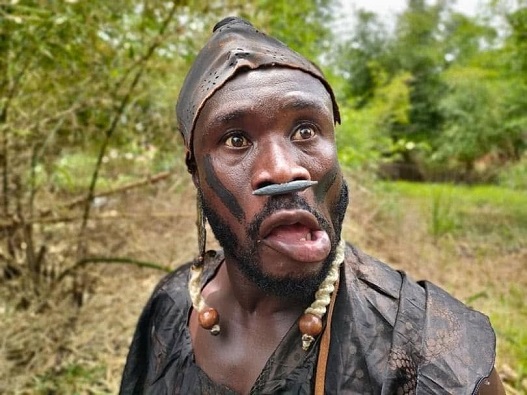
Despite enjoying Ras Nene’s content in Leeds, like many Ghanaians abroad, the recurrent objectification of women in his sketches has become unsettling. The normalization of sexual conquest in comedy warrants critical examination, especially considering the prevalence of sexual violence in Ghana, where many women face abuse and coercion.
The sketch perpetuates a harmful notion that a woman’s behavior justifies male entitlement to her and public celebration of such actions. This narrative reflects the dangerous logic behind real-life sexual coercion, highlighting the negative impact of such content.
While Ghana’s film industry grapples with various challenges, the surge in sexualized comedy should not be endorsed without scrutiny. Social media, with its wide reach including children, lacks adequate parental oversight, raising concerns about the influence of such content.
Comedy and media play significant roles in shaping societal attitudes and behaviors. While creators strive to promote local content, they should aim to steer culture in a positive direction rather than perpetuating harmful stereotypes.
In a society where sexual harassment is normalized, and consent is often misunderstood, humor centered around sexual conquest can perpetuate harmful norms. It is crucial to recognize that these sketches normalize coercion and pressure disguised as entertainment, influencing perceptions of masculinity and femininity.
Ras Nene’s talent and creativity are undeniable, yet with influence comes responsibility. Ghana must not overlook narratives that contribute to the harm experienced by many women. Comedy can remain humorous without reinforcing damaging cultural norms.
Regulatory bodies such as the National Media Commission, National Film Authority, Ministry of Gender, Children and Social Protection, and Creative Arts Council need to address the evolving landscape of digital content, updating guidelines to combat harmful narratives on social media platforms while allowing creators the freedom to express themselves.

