



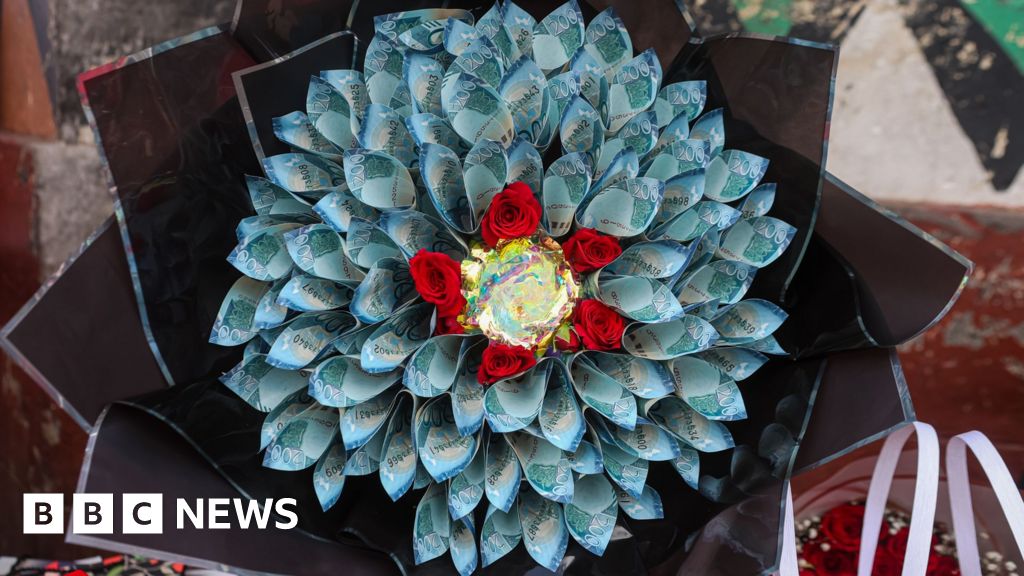


A new Valentine’s Day trend in Kenya is turning heads — and sparking debate. Instead of traditional roses and chocolate, some Kenyans are gifting “bouquets of cash,” creatively arranged banknotes folded into flower-like shapes and wrapped in decorative paper.
The eye-catching displays, often shared on social media platforms, have become a symbol of both romance and financial practicality. But while some celebrate the innovation, others argue the trend highlights deeper social and economic tensions.
Table of Contents
ToggleFrom Roses to Shillings: A Shift in Valentine’s Gifting
Valentine’s Day has long been associated with red roses, heartfelt cards, and candlelit dinners. However, in recent years, particularly in urban centers like Nairobi and Mombasa, money bouquets have emerged as a popular alternative.
Florists and gift shops now advertise custom cash arrangements in different denominations of Kenyan shillings. Some bouquets are modest, while others feature thousands of shillings arranged in elaborate patterns.
Supporters of the trend say the idea is simple: instead of spending money on flowers that wilt within days, why not give something practical that retains value?
One Nairobi-based florist said demand for money bouquets has steadily increased, especially among young professionals seeking unique and impactful gifts.
Why the Trend Is Gaining Popularity
Several factors appear to be driving the rise of cash bouquets in Kenya:
1. Economic Practicality
In a country where many young adults face rising living costs, direct cash gifts can help recipients pay bills, invest in personal goals, or save for future needs.
2. Social Media Influence
Photos and short videos of dramatic money bouquets often go viral. Influencers and couples share elaborate presentations, fueling interest and competition.
3. Personalization
Cash bouquets can be customized in color, size, and arrangement. Some include heartfelt messages or combine money with small gifts.
4. Symbol of Generosity
For some couples, presenting a bouquet of neatly folded banknotes is viewed as a bold display of appreciation and commitment.
Not Everyone Is Impressed
Despite its popularity, the trend has drawn mixed reactions.
Critics argue that replacing flowers with money may commercialize romance and reduce Valentine’s Day to a public display of wealth. Some observers believe it places pressure on partners to match or exceed the value of gifts shared online.
Others question whether showcasing large sums of cash is appropriate in a country where economic inequality remains a concern. Social commentators have pointed out that romantic gestures should focus on emotional connection rather than monetary value.
Religious and cultural voices have also weighed in, suggesting that meaningful relationships are built on respect and shared values, not financial display.
A Reflection of Changing Romance Culture
Sociologists note that gift-giving traditions evolve over time. In many societies, Valentine’s Day has transformed into a broader celebration influenced by globalization, media, and consumer trends.
Kenya’s urban youth culture is particularly dynamic, blending traditional values with modern lifestyle influences. Money bouquets may simply reflect a generation redefining how affection is expressed.
Some couples say the trend is not about extravagance but about offering something useful. One Nairobi resident explained that while flowers are beautiful, cash provides flexibility — allowing the recipient to choose how to spend it.
The Business Impact
For florists and event planners, the trend has opened new revenue streams. Shops now offer professional money-folding services, premium wrapping materials, and delivery packages tailored for Valentine’s Day.
Retailers report that customers often bring their own cash for arrangement, while others request full-service packages that include sourcing specific denominations.
The shift has also encouraged creative entrepreneurship, with small businesses advertising money bouquet tutorials and packaging supplies online.
The Social Media Effect
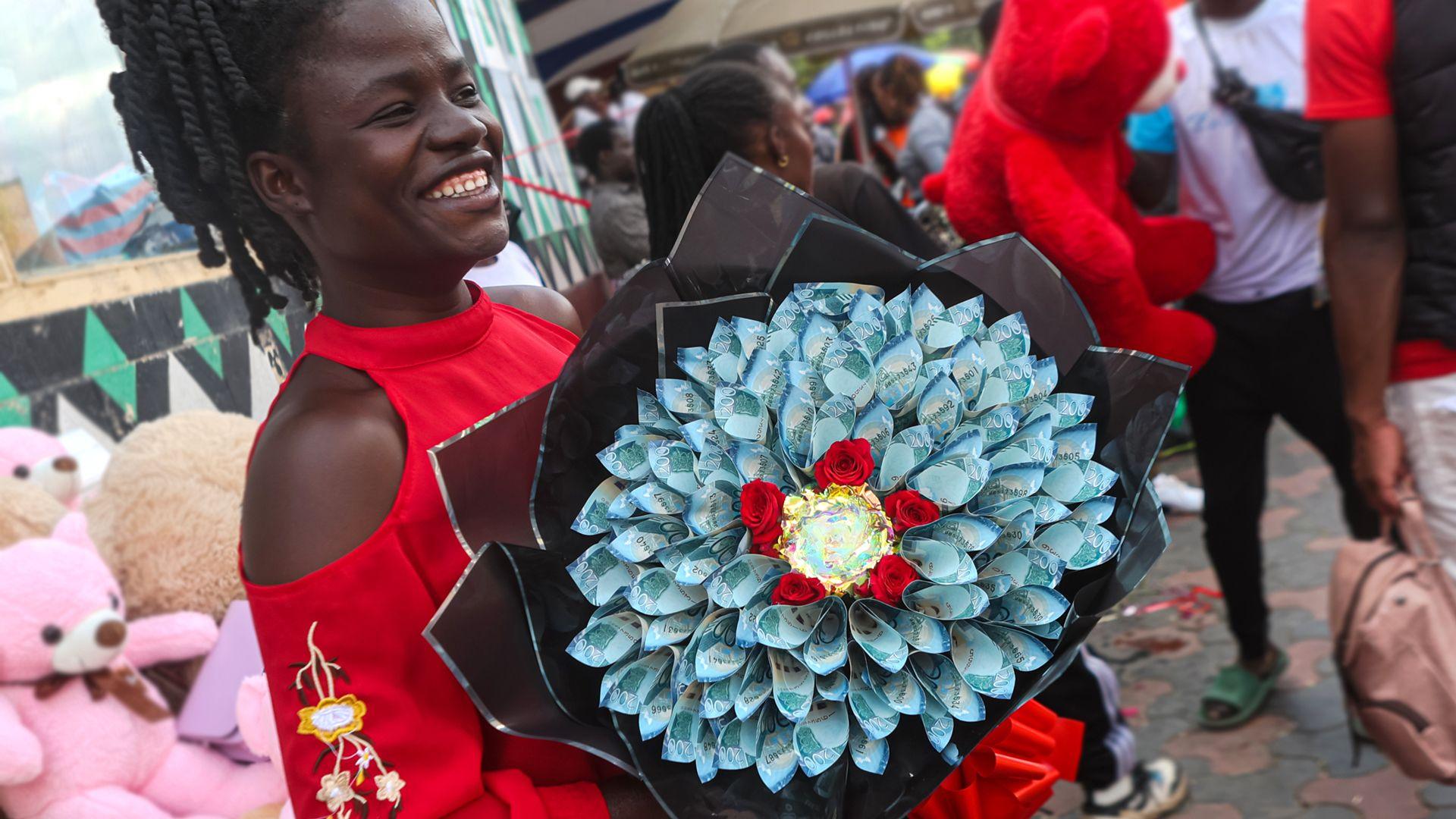


Short-form video platforms have played a major role in amplifying the trend. Clips of surprised partners receiving bouquets of neatly folded banknotes often accumulate thousands of views.
Hashtags related to Valentine’s Day in Kenya feature a mix of admiration and criticism. While some viewers applaud the creativity, others question whether the gesture reflects genuine affection or social media performance.
Experts in digital culture say viral trends often shape real-world behavior, especially during globally celebrated occasions like Valentine’s Day.
Cultural Perspectives
Gift-giving traditions in Kenya vary widely across communities. Historically, tokens of affection ranged from handcrafted items to symbolic gestures.
Modern Valentine’s celebrations, influenced by global media, have gradually become more commercialized. The introduction of money bouquets could be seen as another phase in this evolution.
However, cultural commentators emphasize that meaningful relationships rely on communication, shared experiences, and mutual respect. Material gifts — whether flowers or cash — are only one aspect of partnership.
Balancing Romance and Responsibility
Financial experts suggest that while gifting cash can be practical, couples should prioritize thoughtful communication over grand gestures.
Healthy relationships are built on understanding expectations and ensuring that gift exchanges do not create financial strain. Transparency about budgets and preferences can help couples celebrate meaningfully without pressure.
Some relationship counselors note that Valentine’s Day should not become a measure of commitment based solely on spending.
Watch: Short Videos of the Trend
Here are examples of how the money bouquet trend is being shared online:
🎥 Short Video 1: A Nairobi couple surprises each other with matching cash bouquets in a decorated apartment setting.
🎥 Short Video 2: A florist demonstrates how Kenyan shillings are folded into flower shapes for Valentine’s arrangements.
🎥 Short Video 3: Social media reactions capturing mixed opinions on the growing popularity of the trend.
(Note: For privacy and safety reasons, viewers are encouraged to watch content directly on verified social media platforms.)
Broader Economic Context
The rise of money bouquets also reflects broader economic conversations in Kenya. As living costs fluctuate and employment dynamics shift, practical financial gestures may resonate more strongly with some couples.
Economists suggest that symbolic financial gifts can represent support, partnership, and shared goals. However, they caution against equating affection with monetary value.
A Trend Likely to Stay?
Whether money bouquets will remain popular beyond this Valentine’s season remains uncertain. Trends often evolve rapidly, particularly when driven by social media.
For now, the phenomenon has sparked conversation nationwide — about romance, economic priorities, and modern expressions of love.
Conclusion
The shift from traditional flowers to bouquets of cash highlights how Valentine’s Day celebrations in Kenya are adapting to contemporary realities. While some applaud the creativity and practicality of money bouquets, others worry about the emphasis on financial display.
Ultimately, the meaning behind any gift depends on the intention and understanding between partners. Whether expressed through roses, handwritten notes, shared experiences, or carefully folded banknotes, genuine affection remains the heart of meaningful relationships.
As Kenyans continue to redefine how they celebrate love, one thing is clear: Valentine’s Day remains a powerful reflection of both culture and change.
Related posts:
- Volta Region Records Ghana’s Lowest Divorce Rate at 2.8% — What the Data Reveals
- Viral Claim Sparks Debate: Woman Says Pastor’s Prophecy Influenced Her Relationship Decision
- The Economics of Being an Artiste in Ghana: Passion, Profit and the Price of Fame
- Taylor Swift and Travis Kelce Celebrate Marriage in Star-Studded New York Ceremony

