



The Ghana Tourism Authority (GTA) has officially launched the 2026 edition of National Chocolate Month, rallying citizens to embrace and consume more locally manufactured chocolate and cocoa-based products. The initiative, which has become a prominent feature on Ghana’s tourism and cultural calendar, seeks to deepen appreciation for the country’s cocoa heritage while stimulating domestic consumption and economic growth.
The launch event took place on Wednesday, February 11, 2026, at Nationalism Park in Accra. It was organised in collaboration with the Ghana Cocoa Board (COCOBOD) and the Cocoa Processing Company (CPC). This year’s celebration is held under the theme “Experience Ghana, Share the Cocoa Love,” reflecting a renewed push to connect cocoa consumption with national pride, cultural identity, and tourism promotion.


The event drew a distinguished audience, including key stakeholders from the cocoa and tourism sectors. Among the notable attendees were the Managing Director of CPC, Professor William Coffie; the Head of Public Affairs at COCOBOD, Mr. Jerome K. Sam; the Chief Executive Officer of the Ghana Tourism Authority, Maame Efua Houadjeto; and Dr. Jeffrey Tamakloe, who represented the Minister of Tourism, Culture and Creative Arts. Popular actress Kafui Danku, members of the diplomatic community, industry players, and other invited guests also graced the occasion.
Delivering the welcome address, renowned tourism advocate Gilbert Abeiku Aggrey—widely known as Abeiku Santana—emphasised the deep cultural and economic significance of cocoa to Ghana. He described cocoa and chocolate as integral components of the nation’s heritage and global identity. According to him, National Chocolate Month is not merely a festive occasion but a strategic initiative aimed at promoting Ghanaian culture, enhancing tourism, and encouraging greater appreciation for locally produced goods.
Abeiku Santana pointed out that although Ghana ranks among the world’s leading cocoa producers, a significant portion of its cocoa beans is exported in raw form. Only a relatively small share is processed domestically into finished chocolate and cocoa products for local consumption. He stressed that this imbalance presents a major opportunity for Ghana to expand its value addition efforts by increasing local processing capacity and encouraging citizens to consume Ghana-made chocolate.
In addition to the economic argument, he highlighted the health benefits associated with cocoa consumption. He noted that cocoa has been linked to improved cardiovascular health, enhanced blood circulation, and mood elevation. With Valentine’s Day approaching, he encouraged Ghanaians to express affection by purchasing chocolate made from Ghanaian cocoa, arguing that doing so supports local farmers, processors, and businesses throughout the value chain.
Maame Efua Houadjeto, CEO of the Ghana Tourism Authority, reinforced these sentiments in her address. She described National Chocolate Month as more than a symbolic celebration, characterising it instead as a broader movement to reshape the narrative around Ghana’s cocoa industry. According to her, Ghana plays a central role in global chocolate production, supplying a substantial share of the cocoa used in chocolate products worldwide. Yet, much of the final packaging, branding, and marketing of chocolate occur outside the country.
She urged Ghanaians to take pride in chocolate products manufactured locally and to consciously support brands that process cocoa within Ghana. By choosing locally produced chocolate, she explained, consumers help retain more value within the national economy, create jobs, and strengthen local industries.
In a passionate remark, Mrs. Houadjeto observed that Ghana essentially “grows love,” harvesting cocoa and distributing it to markets across the globe. However, she lamented that during Valentine’s Day—a season closely associated with chocolate—many Ghanaians purchase imported brands rather than those produced domestically. She encouraged a shift in mindset that recognises the importance of supporting homegrown products.
As part of efforts to deepen public understanding of the cocoa value chain, the GTA has also initiated educational outreach programmes. Mrs. Houadjeto shared that she recently accompanied a group of schoolchildren on a visit to a chocolate factory. The excursion allowed the students to observe firsthand how cocoa beans are transformed into finished chocolate bars. She expressed optimism that such experiences would inspire the younger generation to appreciate the industry and consider future careers in agribusiness and cocoa processing.
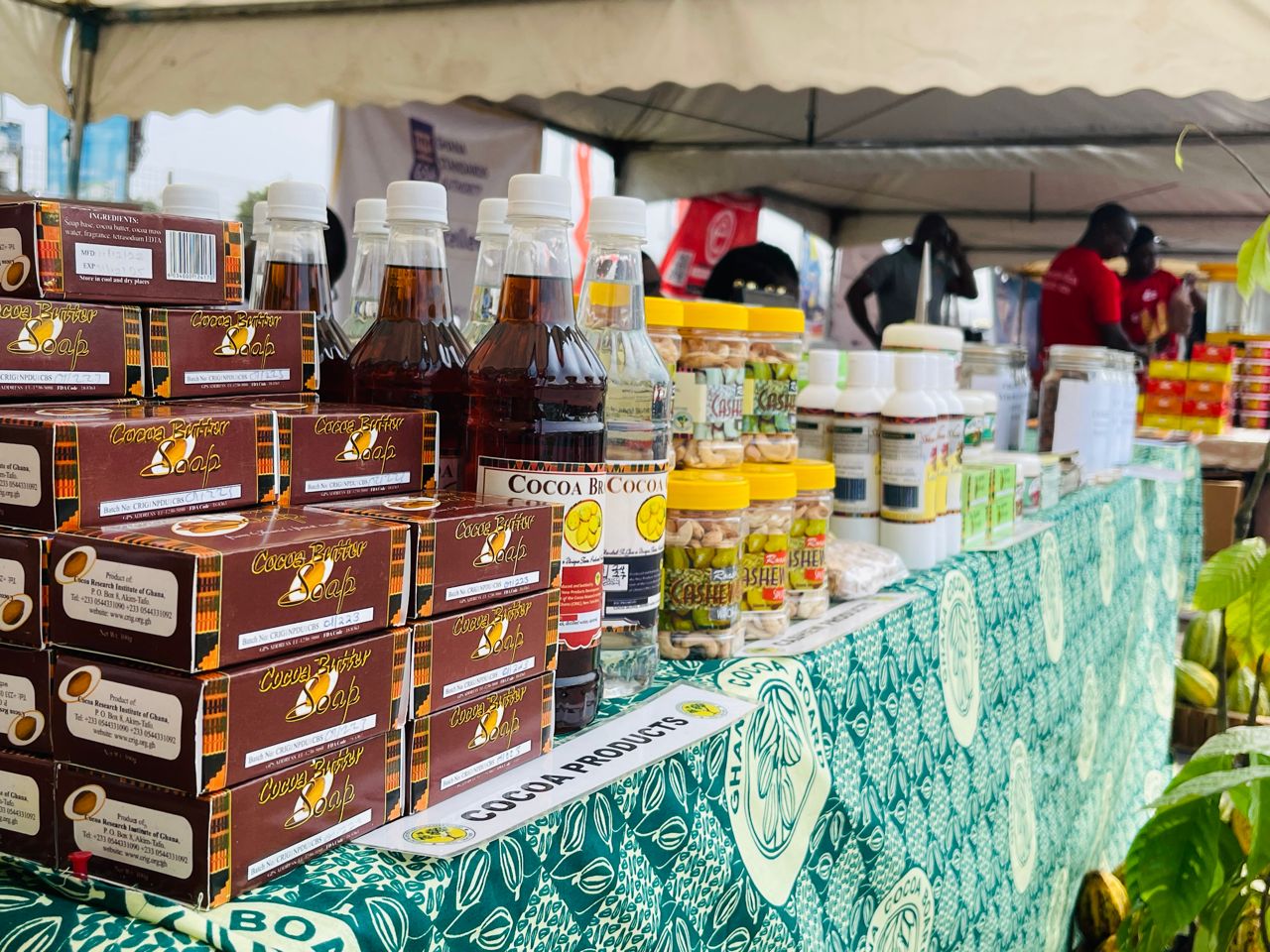
The launch event also marked the commencement of a Chocolate Fair at Nationalism Park, scheduled to run until February 14. The fair features a variety of Ghanaian chocolate brands and cocoa-based products, alongside exhibitions, tastings, and interactive activities designed to engage visitors of all ages. The fair creates a festive atmosphere leading up to Valentine’s Day while providing a platform for local producers to showcase their products.
Attendees at the launch were treated to complimentary chocolate samples, contributing to a lively and celebratory mood. The distribution of free chocolates not only delighted patrons but also served as a practical demonstration of the quality and variety of locally made cocoa products.
National Chocolate Month has become a flagship initiative aimed at stimulating domestic cocoa consumption, promoting Ghanaian chocolate brands, and boosting tourism. By linking chocolate with culture, heritage, and celebration, the Ghana Tourism Authority seeks to position cocoa as both an economic asset and a cultural symbol.

