



Ticket prices for the upcoming FIFA World Cup have surged dramatically on the official FIFA ticketing platform, sparking global debate among football fans and raising concerns about affordability, accessibility, and the commercialization of the world’s most celebrated sporting event. Supporters from every continent have expressed shock at the steep increases, with many arguing that the dream of watching the World Cup live is slipping further out of reach for ordinary fans.
At the center of the discussion is FIFA, the global governing body responsible for organizing the tournament. FIFA has defended its pricing structure, citing rising operational costs, enhanced stadium infrastructure, security arrangements, and expanded tournament logistics. However, critics contend that the new ticket prices reflect a broader trend toward monetizing elite football events at the expense of grassroots supporters.
The upcoming tournament, the 2026 FIFA World Cup, will be jointly hosted by United States, Canada, and Mexico. It will be the first World Cup to feature 48 teams instead of the traditional 32, increasing the total number of matches and expanding the tournament’s overall footprint. While this expansion promises more excitement and broader global representation, it has also significantly increased organizational complexity and associated costs.
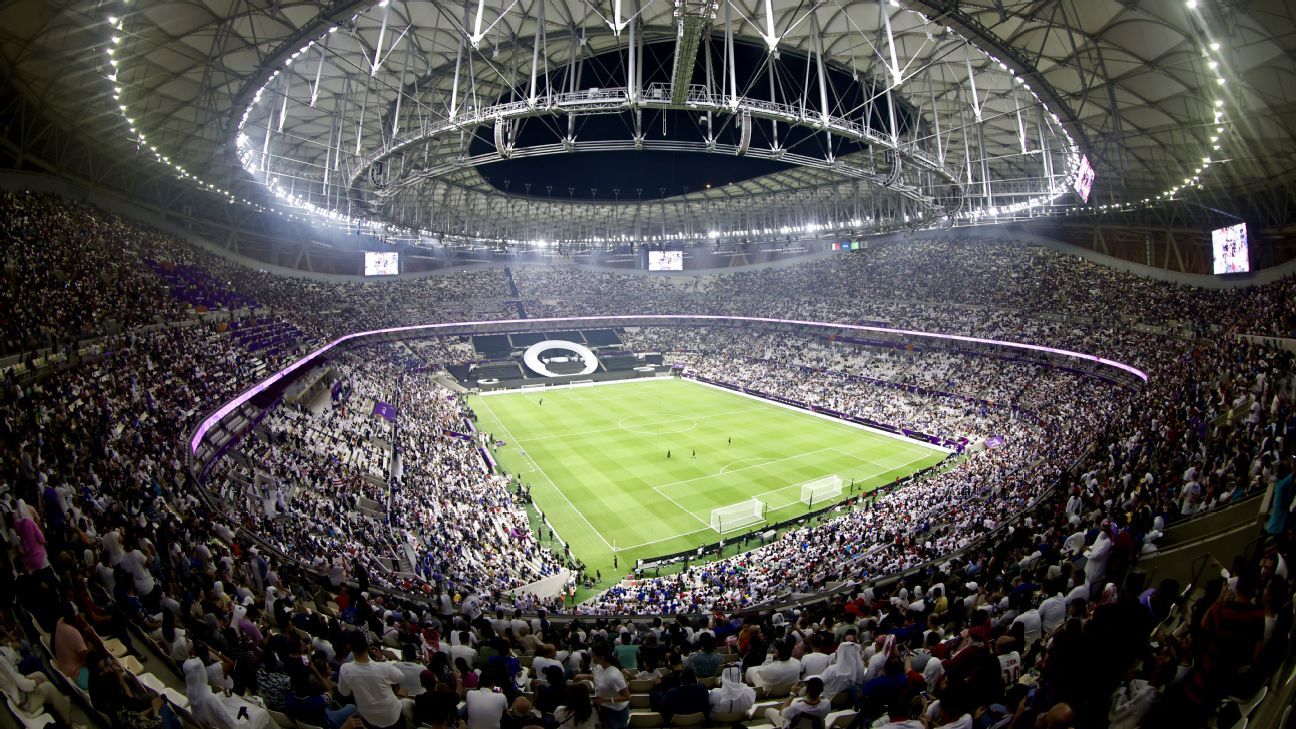

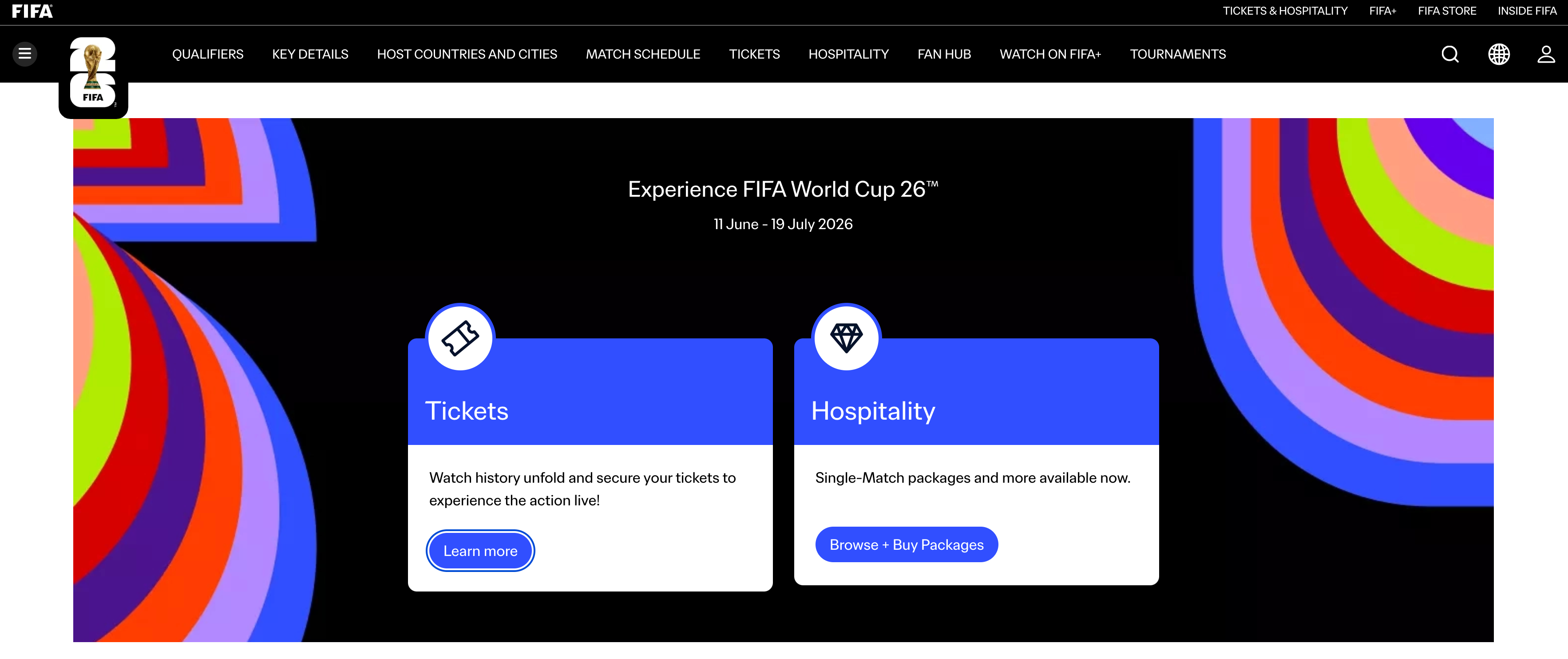
Fans visiting the FIFA ticketing website have reported prices for certain matches—particularly knockout games and the final—reaching levels far above those of previous tournaments. Premium seating categories have climbed into the thousands of dollars, while even standard tickets for high-profile matches have seen sharp increases compared to earlier editions. For many supporters, especially those traveling internationally, the total cost of attendance—including flights, accommodation, and local transport—now represents a substantial financial burden.
Historically, FIFA has structured its ticket pricing in tiers, offering more affordable options for local residents alongside higher-priced packages for international fans and hospitality clients. However, the latest pricing patterns appear to reflect a heavier reliance on dynamic pricing models and premium packages, which adjust costs based on demand. As anticipation for the 2026 tournament grows, so too has competition for seats at marquee fixtures.
Observers note that the World Cup has long balanced two competing priorities: maximizing revenue and preserving the inclusive spirit that has defined the competition since its inception in 1930. The World Cup is not merely a sporting event; it is a cultural phenomenon that unites diverse communities in shared celebration. When ticket prices escalate beyond the reach of average supporters, critics argue, the event risks losing part of its identity.
FIFA officials, however, emphasize the scale of the 2026 tournament. With 48 teams participating and matches spread across three countries and multiple cities, logistical demands are unprecedented. Stadium upgrades, security coordination across borders, fan zone installations, and advanced broadcasting technologies all require substantial investment. According to FIFA, ticket revenue plays a critical role in offsetting these expenditures and supporting global football development initiatives.
The governing body has also pointed to the introduction of enhanced digital ticketing systems designed to prevent fraud and improve transparency. These systems, while technologically advanced, add to operational costs. Additionally, the rising expenses associated with global inflation, staffing, and event management have influenced pricing decisions.
Nonetheless, many fans remain unconvinced. Supporters’ groups across Europe, Africa, Asia, and the Americas have voiced frustration on social media platforms, arguing that football’s governing institutions increasingly prioritize corporate hospitality over traditional fan culture. They note that VIP and hospitality packages—often bundled with premium seating, catering, and exclusive access—are marketed at significantly higher rates, effectively transforming parts of stadiums into luxury entertainment zones.
The debate over affordability also intersects with broader concerns about economic inequality. For supporters traveling from developing nations, the combination of high ticket prices and currency exchange rates compounds the challenge. What may appear manageable in one economy can become prohibitive when converted into local currency elsewhere.
For host nations, the economic implications are complex. On one hand, high ticket prices can generate significant revenue and contribute to overall tournament profitability. On the other, empty seats—if prices exceed demand in certain markets—could undermine atmosphere and public perception. Stadium ambiance has always been a defining feature of the World Cup, with passionate supporters creating unforgettable moments that transcend sport.
The expansion to 48 teams has also altered supply and demand dynamics. While more matches theoretically mean more tickets available overall, the most sought-after games—such as opening matches, semifinals, and the final—remain limited in capacity. Consequently, prices for these fixtures have soared disproportionately.
Comparisons with previous tournaments further fuel the discussion. At the 2018 FIFA World Cup in Russia and the 2022 edition in Qatar, ticket categories were structured to accommodate a range of budgets. While premium seats were expensive, entry-level tickets were relatively accessible for local fans. Analysts suggest that the 2026 edition, taking place in some of the world’s most commercially developed sports markets, may naturally reflect higher baseline costs.
The involvement of three host countries also introduces variations in local pricing norms. Stadium operations in major U.S. cities, for instance, often align with National Football League (NFL) or Major League Soccer (MLS) pricing standards, which can be higher than in other parts of the world. Integrating these market realities into a global tournament framework presents challenges.
Beyond economics, the psychological impact on fans is significant. For many supporters, attending a World Cup match is a once-in-a-lifetime dream. The realization that tickets may cost several months’ salary in some regions has led to disappointment and disillusionment. Online forums are filled with stories of fans reconsidering travel plans or opting to watch from home.
Yet demand remains strong. Early registration numbers for ticket lotteries and presales indicate sustained global enthusiasm. The World Cup’s unique prestige ensures that, despite higher prices, many supporters are willing to make financial sacrifices to attend.
Sports economists suggest that FIFA’s strategy may reflect confidence in the tournament’s enduring appeal. As one of the most-watched sporting events on the planet, the World Cup commands immense global attention. Broadcast rights, sponsorship deals, and merchandising contribute heavily to overall revenue, but ticket sales remain symbolically important. High prices can signal exclusivity and reinforce the event’s premium status, though they risk alienating segments of the fan base.
Some observers advocate for more balanced pricing structures, including reserved allocations for supporters’ groups at subsidized rates. Others call for transparent explanations detailing how ticket revenues are reinvested into grassroots football programs worldwide. Greater clarity, they argue, could mitigate criticism.
The debate also highlights evolving trends in global sports business. Major tournaments increasingly operate within sophisticated commercial ecosystems, blending entertainment, technology, and corporate sponsorship. As costs rise, so too do expectations regarding fan experience—ranging from enhanced stadium amenities to digital engagement tools.
Ultimately, the issue of ticket pricing underscores a broader tension within modern football: the balance between commercial sustainability and accessibility. The World Cup’s global charm has always rested on its universality—its ability to bring together fans from diverse backgrounds under a shared passion for the game.
As the countdown to 2026 continues, attention will likely remain focused on how FIFA manages public perception and addresses affordability concerns. Whether through additional ticket categories, flexible payment options, or expanded fan engagement initiatives, the governing body faces the challenge of preserving the tournament’s inclusive spirit while navigating financial realities.
For now, one fact is clear: demand for World Cup tickets remains extraordinarily high, even as prices climb. The passion of football supporters endures, but so too does the conversation about who can afford to be part of the spectacle in person. In the months ahead, the world will watch not only the build-up to the tournament itself, but also the evolving dialogue about access, equity, and the true cost of experiencing football’s greatest stage firsthand.

