


Accra, Ghana – A smartphone, an internet connection, and a creative idea are increasingly becoming the tools of opportunity for thousands of young Ghanaians. Across platforms such as TikTok, YouTube, Instagram, Facebook, and X, a new generation of digital content creators is transforming hobbies into careers, building online communities, influencing consumer behavior, and contributing to Ghana’s growing digital economy.
What began as a pastime for many young people has evolved into a thriving creative industry where storytelling, comedy, education, fashion, food, technology, travel, and lifestyle content attract millions of views both locally and internationally. The creator economy has opened new pathways for employment, entrepreneurship, and innovation, particularly at a time when youth unemployment remains a major concern. Reports in 2025 highlighted that many young Ghanaians increasingly rely on digital platforms as a source of income, earning through advertising, brand partnerships, affiliate marketing, subscriptions, and the sale of products and services.
A Digital Revolution Led by the Youth
Over the past decade, Ghana has experienced rapid growth in internet access and smartphone usage. Affordable mobile devices and expanding access to social media have enabled young people from both urban and rural communities to share their talents with audiences around the world.
Unlike traditional media, where access often depended on broadcasting companies or production houses, digital platforms have lowered the barriers to entry. Today, students, graduates, entrepreneurs, artists, and professionals can publish videos, podcasts, photographs, and educational content directly to global audiences.
This accessibility has encouraged creativity across multiple sectors, giving rise to content that celebrates Ghanaian culture while addressing topics ranging from business and education to entertainment and health.
Social Media as a Career
For many young creators, content creation is no longer viewed as a side hobby. It has become a legitimate profession.
Income opportunities now come from several sources, including:
- Brand sponsorships
- Advertising revenue
- Affiliate marketing
- Product sales
- Paid partnerships
- Event appearances
- Digital courses
- Fan subscriptions
While not every creator earns substantial income, successful creators have demonstrated that consistent, high-quality content can become financially rewarding. Experts also note that many creators diversify their earnings instead of relying solely on platform advertising.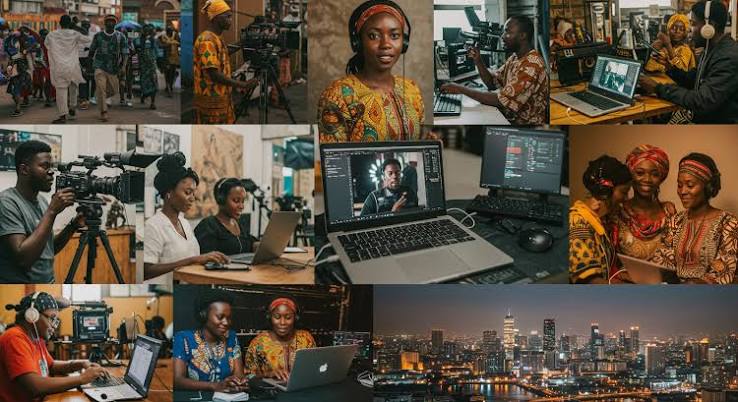
Creativity Beyond Entertainment
Although comedy skits and dance videos remain among the most popular forms of online content, Ghanaian creators are increasingly exploring educational and professional niches.
Content categories experiencing significant growth include:
- Personal finance
- Career advice
- Technology reviews
- Cooking tutorials
- Fashion styling
- Beauty and skincare
- Fitness coaching
- Academic lessons
- Agriculture
- Tourism
- Mental health awareness
- Entrepreneurship
Educational creators, in particular, have gained loyal audiences by simplifying complex topics and making learning more accessible through short-form videos and live discussions.
Ghana’s Cultural Identity Goes Global
One of the greatest strengths of Ghanaian creators is their ability to showcase local culture to international audiences.
Traditional food, local languages, music, festivals, historical sites, and everyday lifestyles frequently appear in viral videos that attract viewers from Africa, Europe, North America, and beyond.
Food creators have especially played a significant role in introducing Ghanaian cuisine to international audiences. Ghanaian chef and digital creator Abena Amoakoaa Sintim-Aboagye, widely known online as Chef Abbys, gained international recognition after being named to TIME’s inaugural TIME100 Creators list in 2025, highlighting how local storytelling can achieve global visibility.
Similarly, creators in fashion, travel, and culture continue to challenge outdated stereotypes by presenting authentic stories about modern Ghana.
Technology Has Lowered the Barrier
Creating professional-quality content no longer requires expensive equipment.
Many successful creators started with:
- Smartphones
- Ring lights
- Affordable microphones
- Basic editing software
- Free design applications
As audiences and income grow, creators often reinvest earnings into better cameras, lighting, editing computers, and production equipment.
Artificial intelligence tools, automated editing software, and cloud-based design platforms have also made professional content production more accessible.
The Role of Universities
Universities across Ghana are increasingly producing digital entrepreneurs.
Students now balance lectures with content creation, using campus life as inspiration for educational videos, comedy, motivational content, and lifestyle storytelling.
Many graduates are also using digital platforms to demonstrate practical skills, build professional portfolios, and establish personal brands before entering the job market.
For some, content creation has become a bridge between university education and entrepreneurship.
Businesses Are Paying Attention
Brands have recognized that young creators often possess stronger relationships with online audiences than traditional advertising channels.
Rather than relying solely on television commercials, companies increasingly collaborate with creators to market products and services through authentic storytelling.
Influencer marketing campaigns now cover industries such as:
- Banking
- Telecommunications
- Food
- Fashion
- Cosmetics
- Insurance
- Real estate
- Tourism
- Education
- Health
Consumers often perceive creator recommendations as more relatable than conventional advertisements, making digital influencers valuable partners for businesses.
A New Source of Employment
The creator economy extends far beyond individual influencers.
As content creators expand, many begin employing:
- Video editors
- Photographers
- Graphic designers
- Scriptwriters
- Social media managers
- Marketing specialists
- Camera operators
- Account managers
This growing ecosystem demonstrates that content creation supports wider employment opportunities within Ghana’s creative industry.
Challenges Facing Young Creators
Despite its rapid growth, content creation is not without challenges.
Many creators struggle with inconsistent income, changing platform algorithms, and intense competition.
Other obstacles include:
- High internet costs
- Expensive production equipment
- Copyright disputes
- Online harassment
- Digital misinformation
- Mental health pressures
- Limited local monetisation options
Monetisation remains a challenge because payment systems and advertising opportunities differ across platforms and countries, requiring many creators to depend on sponsorships and diversified revenue streams.
The Pressure to Remain Relevant
Social media rewards consistency.
Creators often feel pressure to publish content daily or several times each week.
Maintaining creativity while responding to audience expectations can become mentally exhausting.
Experts recommend balancing productivity with rest, protecting mental well-being, and avoiding burnout.
Many successful creators now prioritize quality over quantity while maintaining consistent communication with their audiences.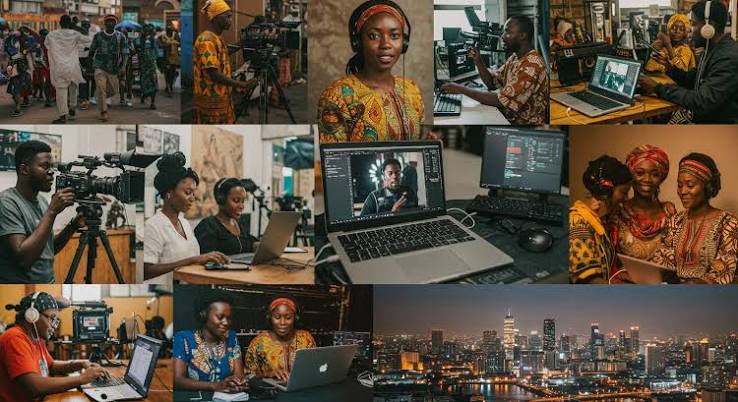
Skills Behind the Success
Contrary to popular belief, successful content creation requires far more than simply recording videos.
Professional creators develop expertise in:
- Storytelling
- Photography
- Videography
- Editing
- Graphic design
- Public speaking
- Marketing
- Branding
- Data analytics
- Audience engagement
These transferable skills are increasingly valued across industries, including media, advertising, communications, and public relations.
Government and Industry Support
As the creator economy grows, there have been increased efforts to support digital entrepreneurs through training and collaboration.
In 2025, Ghana’s Ministry of Communication, Digital Technology and Innovations announced initiatives aimed at strengthening the digital creator ecosystem, including engagement with TikTok to provide technical training and improve monetisation opportunities for local creators.
Industry stakeholders believe that such initiatives can help creators better understand platform algorithms, digital marketing strategies, and sustainable business practices.
Training the Next Generation
Formal training opportunities for creators are also expanding.
The African Digital Creator Academy, launched with support from partners including Jambo Spaces and the French Embassy, graduated its first cohort in 2025. The programme was established to equip young African creators with practical skills to compete in the global digital economy.
Such initiatives demonstrate growing recognition that content creation requires professional development in areas including production, branding, copyright, and entrepreneurship.
Opportunities for Rural Communities
Content creation is no longer limited to major cities.
Young people from smaller towns and rural communities are using digital platforms to highlight:
- Local tourism
- Agriculture
- Traditional crafts
- Cultural festivals
- Community development
- Indigenous languages
These stories often attract both local and international audiences seeking authentic African experiences.
Improved internet infrastructure could further expand participation from underserved communities.
Women Are Driving Growth
Young Ghanaian women are increasingly establishing successful careers as digital creators across sectors including beauty, education, business, food, parenting, health, and lifestyle.
Their growing visibility is helping to diversify online conversations while inspiring other young women to explore entrepreneurship through digital media.
Women-led brands have also demonstrated strong engagement with audiences seeking practical advice, relatable experiences, and authentic storytelling.
The Importance of Authenticity
One characteristic consistently associated with successful creators is authenticity.
Audiences increasingly value creators who:
- Share genuine experiences.
- Provide useful information.
- Communicate honestly.
- Maintain consistency.
- Respect their communities.
Trust has become one of the most valuable assets within the creator economy.
Creators who prioritize credibility often build stronger long-term relationships with followers and brands alike.
Looking Beyond Social Media Fame
Many creators now view social media as the foundation for broader business opportunities.
Digital influence has enabled creators to launch:
- Clothing brands
- Restaurants
- Online courses
- Books
- Consulting services
- Podcasts
- Production companies
- Events
This shift illustrates that content creation is evolving from personal branding into sustainable entrepreneurship.
The Future of Ghana’s Creator Economy
Industry analysts expect continued growth as internet penetration improves, businesses increase digital advertising budgets, and more young people acquire content production skills.
Emerging technologies such as artificial intelligence, virtual production, augmented reality, and live-stream commerce are also expected to reshape the industry.
However, sustainable growth will depend on stronger digital infrastructure, creator education, improved monetisation systems, intellectual property protection, and supportive public policies.
Conclusion
The rise of young content creators in Ghana reflects a broader transformation in how creativity, technology, and entrepreneurship intersect. Armed with smartphones, digital skills, and compelling stories, young Ghanaians are building businesses, creating employment, promoting culture, and reaching audiences far beyond the country’s borders.
Although challenges such as monetisation, competition, and online safety remain, the creator economy continues to present significant opportunities for innovation and economic growth. With increased investment in training, digital infrastructure, and supportive policies, Ghana’s next generation of content creators is well positioned to become a powerful force in Africa’s evolving digital landscape.
For many young Ghanaians, the future of work is no longer confined to traditional offices or television studios. It is being created one video, one story, and one post at a time.

