


Accra, Ghana – July 13, 2026 — As internet usage, mobile money transactions, and digital services continue to expand across Ghana, online scams have become a growing concern for individuals, businesses, and organizations. Fraudsters are increasingly using social media, messaging platforms, fake websites, and mobile communication channels to trick people into revealing personal information or sending money.
Cybersecurity experts say that while technology has created new opportunities for communication, banking, shopping, and business, users must also become more cautious to avoid falling victim to online fraud.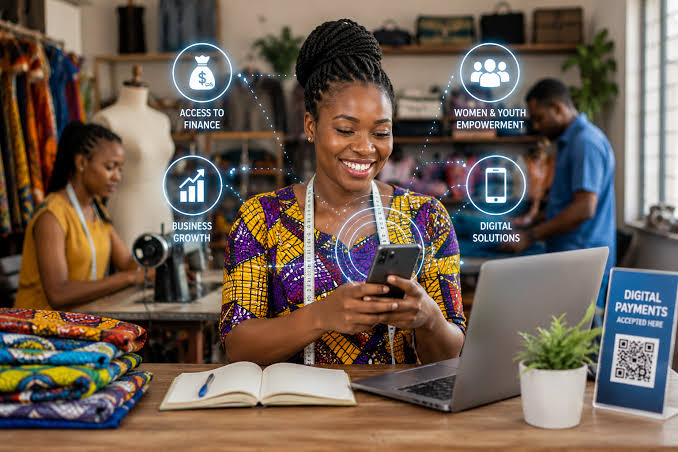
From fake investment schemes and mobile money fraud to phishing messages and identity theft, scammers continue to develop new methods to target unsuspecting victims. Here are important steps every Ghanaian can take to stay safe online.
1. Be Careful with Unknown Messages and Links
One of the most common online scams involves fraudulent messages containing links designed to steal personal information.
Scammers often send messages through SMS, WhatsApp, email, or social media claiming to represent banks, government agencies, delivery companies, or popular businesses. These messages may ask users to click a link, confirm account details, or provide passwords.
Experts advise internet users never to open suspicious links from unknown sources. Before clicking any link, users should carefully check the sender, website address, and the purpose of the message.
Legitimate organizations generally do not request sensitive information such as passwords, PIN numbers, or mobile money codes through unofficial messages.
2. Protect Your Mobile Money Account
Mobile money has become an essential part of daily life in Ghana, making it a major target for fraudsters.
Common mobile money scams include fake payment confirmations, false claims of accidental transfers, and impersonators pretending to be customer service representatives.
Users should never share their mobile money PIN, one-time passwords (OTPs), or verification codes with anyone. Mobile money providers will not ask customers to disclose confidential security information.
Customers should also confirm transactions carefully before sending money and avoid responding to pressure tactics from strangers claiming there is an urgent problem.
3. Avoid Fake Investment Opportunities
Many Ghanaians have lost money through fraudulent investment schemes promising unrealistic profits within a short period.
Scammers often advertise opportunities involving cryptocurrency, foreign exchange trading, online businesses, or financial investments that guarantee high returns with little or no risk.
Financial experts advise people to research companies thoroughly before investing money. Users should verify whether an investment company is licensed by the appropriate authorities and be cautious of anyone promising quick wealth.
If an offer sounds too good to be true, it may be a warning sign of fraud.
4. Use Strong Passwords and Account Security
Weak passwords make it easier for criminals to gain access to online accounts.
Cybersecurity professionals recommend creating strong passwords that combine letters, numbers, and symbols. People should avoid using easily guessed information such as names, birthdays, or phone numbers.
Using different passwords for different accounts is also important. If one account is compromised, other accounts remain protected.
Where possible, users should activate two-factor authentication, which provides an additional layer of security by requiring a second verification step before allowing access.
5. Be Careful When Shopping Online
Online shopping has grown significantly in Ghana, but it has also created opportunities for fraudulent sellers.
Some scammers advertise products at extremely low prices, collect payments, and disappear without delivering the goods. Others create fake online stores designed to collect customers’ payment information.
Before buying from an online seller, customers should check reviews, confirm contact details, and avoid sending money to unknown individuals without verification.
Using trusted payment methods and reputable platforms can help reduce the risk of online shopping fraud.
6. Protect Your Personal Information
Personal information such as national identification numbers, bank details, addresses, and phone numbers can be valuable to criminals.
Scammers may use stolen information to impersonate victims, access accounts, or commit financial crimes.
Experts advise people to avoid sharing unnecessary personal details online. Users should also review privacy settings on social media accounts and be cautious about what information they make publicly available.
7. Recognize Phishing Attempts
Phishing is a technique where criminals pretend to be trustworthy organizations to steal information.
A phishing message may claim that a bank account has a problem, a prize has been won, or urgent action is required. The goal is usually to make victims panic and respond quickly without thinking.
Security experts recommend slowing down, checking the authenticity of messages, and contacting organizations directly through official channels if there is any doubt.
8. Be Alert on Social Media
Social media platforms have become common places for scammers to search for victims.
Fraudsters may create fake profiles, pretend to be friends or celebrities, or send investment and job offers through social networks.
Users should verify unfamiliar accounts before engaging with them. They should also avoid sharing sensitive information during online conversations with people they have never met.
9. Keep Devices and Apps Updated
Using outdated software can expose devices to security risks.
Phones, computers, and applications should be updated regularly because updates often include security improvements that protect users from new threats.
Installing applications only from official app stores can also reduce the risk of downloading harmful software.
10. Report Scams and Warn Others
Reporting online scams helps authorities and technology companies identify criminals and protect other users.
Victims should report fraud cases to the appropriate institutions, including financial service providers, law enforcement agencies, and cybersecurity authorities.
Sharing information about scam methods can also help friends, family members, and communities avoid similar situations.
The Role of Digital Awareness
Cybersecurity experts believe education remains one of the strongest tools for fighting online fraud. As more Ghanaians use digital services, understanding online safety practices becomes increasingly important.
Schools, businesses, financial institutions, and government agencies are encouraged to continue educating citizens about cybersecurity risks and responsible internet use.
Digital technology has brought many benefits to Ghana, including easier access to banking, education, business opportunities, and communication. However, these benefits can only be fully enjoyed when users take steps to protect themselves.
Final Thoughts
Online scams continue to evolve, but simple safety habits can significantly reduce the chances of becoming a victim. Ghanaians are encouraged to remain cautious, verify information before taking action, and never share confidential details with unknown individuals.
By practicing good digital security habits, citizens can safely participate in Ghana’s growing digital economy while protecting their money, identities, and personal information.

