


August 11, 2026
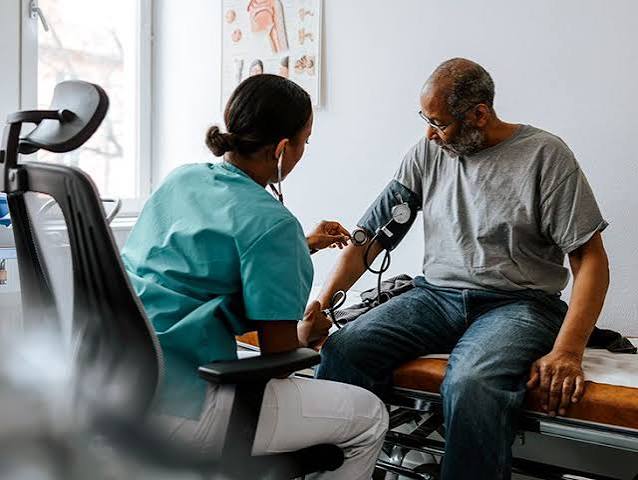
High blood pressure is becoming an increasingly important public health concern around the world, with millions of people living with the condition without knowing it. Often called the “silent killer,” hypertension can damage the heart, brain, kidneys and blood vessels for years before a person notices anything is wrong.
The World Health Organization estimates that about 1.4 billion adults aged 30 to 79 had hypertension in 2024, representing roughly one-third of people in that age group worldwide. About 600 million of those people were estimated to be unaware that they had the condition.
That lack of awareness is one of the biggest challenges in controlling high blood pressure.
Unlike illnesses that produce obvious early symptoms, hypertension can quietly increase the pressure against artery walls while a person continues normal daily activities. Someone may feel healthy, exercise, work and sleep normally while their blood pressure remains elevated.
Health professionals therefore emphasize a simple message: do not wait for symptoms before checking your blood pressure.
What Is High Blood Pressure?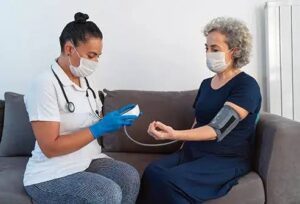
Blood pressure is the force created as blood moves through the body’s arteries when the heart pumps.
A blood pressure reading contains two numbers. The first is the systolic pressure, which represents pressure in the arteries when the heart contracts. The second is the diastolic pressure, which represents pressure when the heart relaxes between beats.
Different health organizations use slightly different thresholds for defining hypertension. The WHO defines hypertension in adults as blood pressure of 140/90 mm Hg or higher, confirmed through measurements on different days. U.S. guidelines classify blood pressure beginning at 130/80 mm Hg as hypertension, with the exact category depending on the reading.
Because blood pressure naturally changes throughout the day, one reading is not always enough to establish a diagnosis.
Stress, exercise, caffeine, illness and other temporary factors can cause blood pressure to rise. Healthcare professionals generally consider repeated measurements and a person’s overall health and risk factors when assessing hypertension.
Why Is High Blood Pressure Called a “Silent Killer”?
The phrase “silent killer” reflects the fact that most people with hypertension do not feel sick.
The WHO says most people with high blood pressure do not notice symptoms and may be unaware that they have the condition. The most reliable way to detect hypertension is to measure blood pressure.
This creates a dangerous gap between the development of the disease and its detection.
A person may assume that normal energy levels mean their cardiovascular system is healthy. Someone else may believe that the absence of headaches means their blood pressure is normal.
Neither assumption is reliable.
Hypertension can continue damaging the body without producing a clear physical warning.
Early Warning Signs Can Be Difficult to Recognize
There is an important distinction between ordinary high blood pressure and very high or severe blood pressure.
Most people with hypertension have no symptoms. However, when blood pressure becomes extremely elevated, symptoms may occur.
The WHO lists possible symptoms of very high blood pressure including severe headaches, chest pain, dizziness, difficulty breathing, nausea, vomiting, blurred vision, anxiety, confusion, nosebleeds, ringing in the ears and abnormal heart rhythms.
These symptoms should not be used as a checklist for diagnosing hypertension, however.
A person can have high blood pressure without experiencing any of them.
1. Severe or Unusual Headaches
Headaches are among the symptoms people commonly associate with high blood pressure.
Very high blood pressure can be accompanied by severe headaches, particularly when the blood pressure reaches dangerous levels. But headaches are extremely common and can result from dozens of conditions, including migraine, dehydration, infections, lack of sleep and stress.
That means a headache by itself does not prove that someone has hypertension.
A sudden, severe or unusual headache is more concerning, especially if it occurs together with confusion, weakness, vision changes or difficulty speaking.
In those circumstances, immediate medical evaluation may be necessary.
2. Blurred or Changing Vision
Changes in vision can be another warning sign when blood pressure becomes severely elevated.
Long-term uncontrolled hypertension can damage blood vessels and contribute to problems affecting the eyes. The American Heart Association notes that high blood pressure can contribute to damage involving blood vessels in the eyes.
Sudden blurred vision, loss of vision or other significant changes should never simply be dismissed as tiredness.
If vision changes occur together with an extremely high blood pressure reading, the situation may require urgent medical attention.
3. Chest Pain
Chest pain is not a normal symptom to ignore.
Hypertension places additional stress on the cardiovascular system and is a major risk factor for heart disease. Over time, uncontrolled high blood pressure can contribute to changes in arteries and increase the risk of heart attack and heart failure.
Chest pain accompanied by extremely high blood pressure is particularly concerning.
A person experiencing significant chest pain should seek emergency medical attention rather than assuming the discomfort is simply caused by high blood pressure or stress.
4. Difficulty Breathing
Shortness of breath can have many causes.
It may be associated with respiratory illness, anxiety, anemia, heart disease or other medical conditions. In severe hypertension, however, difficulty breathing can be one of the warning symptoms that indicates a potentially dangerous situation.
The WHO specifically lists difficulty breathing among symptoms that can occur with very high blood pressure.
Anyone experiencing severe or unexplained difficulty breathing should be medically assessed.
5. Dizziness and Confusion
Dizziness can occur for many reasons and does not necessarily indicate high blood pressure.
However, severe hypertension can sometimes be associated with dizziness or neurological symptoms. Confusion is particularly concerning because it can indicate that the brain or other organs are being affected.
A person who suddenly becomes confused, disoriented or unusually difficult to communicate with should receive urgent medical attention, especially if blood pressure is extremely high.
6. Numbness or Weakness
Sudden numbness or weakness — particularly on one side of the body — can indicate a stroke.
High blood pressure is one of the most important risk factors for stroke. Persistent hypertension can damage blood vessels supplying the brain and increase the risk that an artery becomes blocked or ruptures.
The appearance of sudden weakness or numbness should therefore never be ignored.
If these symptoms occur, emergency medical services should be contacted immediately.
7. Difficulty Speaking
Sudden difficulty speaking or understanding speech is another major warning sign of a possible stroke.
It can occur alongside facial weakness, arm weakness, confusion or vision problems.
Because hypertension substantially increases stroke risk, people with these symptoms should not wait to see whether they disappear.
Even if symptoms improve quickly, urgent medical evaluation may still be necessary.
8. Nosebleeds
Nosebleeds are sometimes associated with very high blood pressure, but they are not a reliable early warning sign of ordinary hypertension.
Many nosebleeds are caused by dry air, irritation, allergies, injury or other relatively minor conditions.
The WHO lists nosebleeds among symptoms that may occur with very high blood pressure.
However, people should not attempt to diagnose hypertension based on nosebleeds alone.
The best way to determine whether blood pressure is high is to measure it.
When Does Blood Pressure Become an Emergency?
One of the most important numbers people should know is 180/120 mm Hg.
The American Heart Association considers blood pressure above 180 systolic and/or above 120 diastolic to be severe hypertension. The organization recommends waiting at least one minute and taking another reading.
If the second reading remains extremely high, the next step depends on whether the person has symptoms.
Warning symptoms include:
- Chest pain
- Shortness of breath
- Back pain
- Numbness
- Weakness
- Vision changes
- Difficulty speaking
When blood pressure is above 180/120 mm Hg and these symptoms are present, emergency medical care is required.
People should not attempt to manage a potential hypertensive emergency at home.
If an extremely high reading occurs without concerning symptoms, the American Heart Association advises contacting a healthcare professional promptly for assessment and management.
The Biggest Warning Sign May Be No Symptoms at All
For most people, the absence of symptoms is precisely why hypertension can remain undetected.
The WHO reports that approximately 600 million adults with hypertension were unaware of their condition in 2024.
That means hundreds of millions of people may be living with elevated blood pressure without realizing it.
The problem is particularly significant because uncontrolled hypertension can gradually damage organs.
High pressure can contribute to hardening and narrowing of arteries, increasing the risk of heart attack and stroke. It can also damage the kidneys and contribute to kidney failure.
In other words, waiting for symptoms may mean waiting too long.
Who Is Most at Risk?
Anyone can develop high blood pressure, although certain factors increase the likelihood.
The WHO identifies older age, genetics, excess body weight, physical inactivity, high-salt diets and excessive alcohol consumption as important risk factors. Tobacco use, unhealthy diets and certain medical conditions can also contribute.
People with diabetes or kidney disease may face additional risks.
Family history also matters. A person whose parents or close relatives have hypertension may have a higher likelihood of developing it.
Age is another important factor. Blood vessels can become less flexible over time, increasing the risk of elevated blood pressure.
But younger adults should not assume they are protected.
Hypertension can affect people at different ages, which is why regular monitoring remains important.
Lifestyle Can Make a Difference
While some risk factors cannot be changed, several important factors can.
The WHO recommends lifestyle measures including eating a healthier diet, reducing salt intake, maintaining a healthy weight, increasing physical activity, stopping tobacco use and reducing harmful alcohol consumption.
Regular physical activity can benefit cardiovascular health and help with weight management.
A diet containing more fruits and vegetables and less excessive salt can also support healthier blood pressure.
Avoiding tobacco is important because smoking damages blood vessels and increases cardiovascular risk.
For people who drink alcohol, reducing excessive consumption can also help reduce risk.
These measures are not a substitute for medical treatment when medication is required, but they can form an important part of long-term blood pressure management.
Why Regular Blood Pressure Checks Matter
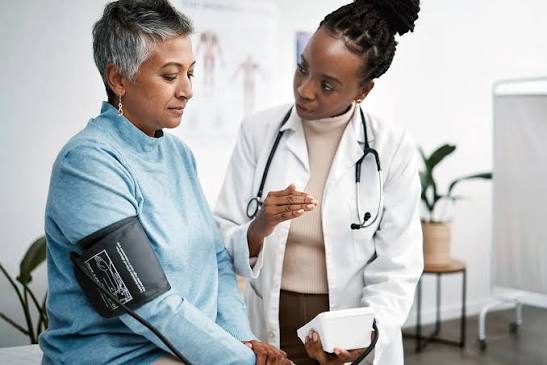
Checking blood pressure is quick, painless and widely available.
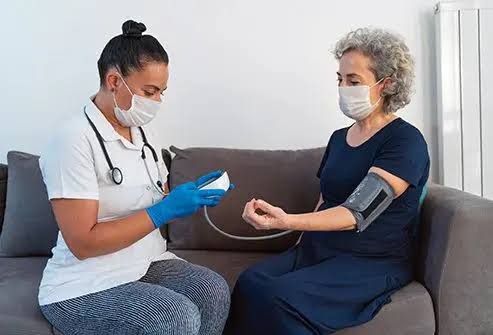
Measurements can be taken in healthcare facilities and, for many people, at home using an automated monitor.
Home monitoring can provide useful information about blood pressure patterns, although people should use appropriate equipment and measurement techniques.
The American Heart Association recommends sitting with the back supported, keeping both feet flat on the floor, supporting the arm at heart level and remaining quiet and still during measurement.
People who repeatedly record elevated readings should discuss them with a healthcare professional.
Keeping a written or digital record of readings can also make it easier to identify patterns.
Treatment Can Reduce the Risk
A diagnosis of hypertension does not mean that serious complications are inevitable.
High blood pressure can often be controlled through lifestyle changes, medication or a combination of both.
The WHO says treatment can include lifestyle changes and, when necessary, blood pressure-lowering medicines. Regular monitoring and adherence to prescribed treatment are important parts of long-term control.
People taking blood pressure medication should not stop treatment simply because they feel better.
Feeling well does not necessarily mean that blood pressure has returned to a healthy level.
Any changes to medication should be discussed with a healthcare professional.
A Growing Global Health Challenge
The scale of hypertension worldwide makes prevention and early detection a major public health priority.
WHO estimates show that the number of adults aged 30 to 79 living with hypertension reached about 1.4 billion in 2024, up from an estimated 650 million in 1990.
The condition affects countries across the income spectrum, with a particularly large burden in low- and middle-income countries.
WHO says two-thirds of adults aged 30 to 79 with hypertension live in low- and middle-income countries.
The organization has emphasized that better detection, treatment and control could prevent millions of cardiovascular events and premature deaths.
In 2026, WHO’s World Hypertension Day campaign again emphasized regular blood pressure checks and described hypertension as a preventable and controllable cause of premature death.
The Bottom Line
High blood pressure is dangerous not because it always causes dramatic symptoms, but because it often causes none at all.
A person can have hypertension for years while feeling perfectly healthy.
When blood pressure becomes extremely high, symptoms such as severe headache, chest pain, difficulty breathing, dizziness, nausea, vomiting, confusion, vision changes or nosebleeds can occur. Sudden weakness, numbness or difficulty speaking may signal a stroke and requires immediate emergency attention.
A blood pressure reading above 180/120 mm Hg is particularly concerning. If it remains that high after a repeat measurement and is accompanied by chest pain, shortness of breath, weakness, numbness, vision changes or difficulty speaking, emergency medical care should be sought immediately.
For everyone else, the most important step is much simpler: check your blood pressure regularly.
Do not wait for a headache.
Do not wait for dizziness.
Do not wait until you feel sick.
Knowing your numbers can reveal a problem before it causes serious damage.
High blood pressure may be silent, but early detection, appropriate treatment and sustained healthy habits can significantly reduce the risk of heart disease, stroke, kidney disease and other complications.
The best warning sign is often the number on the monitor — and knowing that number could help protect your health for years to come.

