


Capital City, August 3 — The government’s latest package of political reforms has ignited nationwide discussion, with supporters describing the measures as a major step toward strengthening democracy while critics argue that several proposals require greater public consultation before implementation. Announced after months of parliamentary debate and stakeholder engagement, the reforms aim to modernize governance, improve transparency, enhance public participation, and strengthen the accountability of public institutions.
The reform package introduces changes affecting elections, public administration, legislative oversight, local government, campaign financing, judicial independence, and access to government information. Although many of the reforms will be implemented gradually over the coming months, citizens are already asking one important question: How will these political changes affect everyday life?
Political analysts agree that reforms are more than changes to laws and institutions. Their real significance lies in how they influence the relationship between citizens and government. If implemented effectively, the latest reforms could reshape how public decisions are made, improve accountability, and increase public confidence in democratic institutions.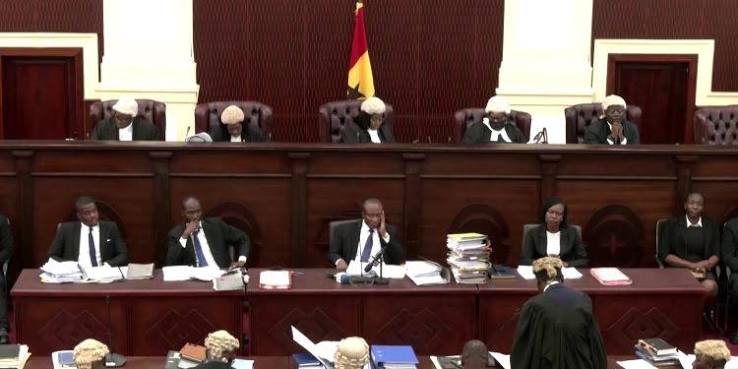
One of the most significant aspects of the reforms focuses on increasing government transparency. New measures require public agencies to publish more information about spending, procurement processes, government contracts, and policy implementation. Officials say these changes are designed to improve public trust by making government activities more visible to citizens.https://rendergh.net/
For ordinary citizens, greater transparency could mean easier access to information about how public money is spent in their communities. Local development projects, education funding, healthcare investments, and infrastructure programs may become more accessible through public reporting systems, allowing residents to monitor government performance more closely.
Experts believe transparency also helps reduce opportunities for corruption by increasing public oversight. When financial decisions and administrative processes become more open, citizens, journalists, and civil society organizations are better positioned to identify irregularities and hold public officials accountable.
Another important reform concerns electoral administration. The government has announced new procedures intended to strengthen election integrity, improve voter registration systems, modernize vote counting, and enhance the independence of election management bodies.https://rendergh.net/
For voters, these reforms could make future elections more efficient and transparent. Improved voter databases may reduce registration errors, while updated election technology could speed up vote counting and increase confidence in election results. Election observers have welcomed efforts to strengthen institutional independence, noting that public confidence in electoral systems is essential for democratic stability.
Political participation is another area expected to change. The reforms encourage broader public consultation before major legislation is introduced in Parliament. Government ministries will be expected to organize public hearings, receive written submissions from citizens, and consult professional organizations, community groups, and civil society representatives during policy development.
For citizens, this means greater opportunities to contribute to national decision-making before laws are passed. Rather than learning about new legislation after parliamentary approval, individuals may have more opportunities to express their opinions during the drafting process.
Youth participation also receives increased attention under the reform package. New initiatives seek to encourage young people to engage in politics through civic education, leadership development programs, internship opportunities within government institutions, and expanded youth representation on advisory committees.https://rendergh.net/
Political scientists argue that increasing youth participation strengthens democracy by ensuring future generations become active contributors to national development rather than passive observers of political processes.
Women’s political participation also forms an important part of the reforms. Several proposals encourage greater representation of women in elected office, public administration, and senior government leadership positions. Supporters believe broader representation can improve policy outcomes by ensuring diverse perspectives contribute to national decision-making.
Local government reforms are expected to bring decision-making closer to communities. Under the proposed framework, regional and municipal authorities may receive expanded responsibilities for managing education, healthcare, sanitation, infrastructure, and local economic development.
For citizens, stronger local government could result in faster responses to community needs. Rather than relying exclusively on central government ministries, local authorities may have greater flexibility to address regional priorities and allocate resources more efficiently.
Public service delivery is another area likely to experience significant change. Administrative reforms aim to simplify government procedures, reduce bureaucracy, digitize public services, and improve response times for permits, licenses, and official documentation.
Citizens who frequently interact with government agencies may benefit from shorter processing times, reduced paperwork, and expanded online services. Digital platforms could allow people to complete applications, access records, and monitor requests without visiting government offices in person.
The reforms also strengthen parliamentary oversight of executive decisions. New reporting requirements, committee reviews, and accountability mechanisms seek to ensure that government ministries remain answerable to elected representatives.https://rendergh.net/
Greater parliamentary oversight may improve public confidence by demonstrating that major government decisions receive independent review before implementation. Constitutional experts note that strong legislative oversight helps maintain the balance of powers essential to democratic governance.
Campaign finance reforms have also attracted considerable attention. The government proposes stricter disclosure requirements for political donations, increased transparency regarding campaign expenditures, and stronger monitoring of political financing.
Supporters argue these measures will create a more level electoral playing field while reducing concerns about undue influence in political decision-making. Greater financial transparency may also increase public confidence in electoral competition.
Freedom of information receives additional protection through expanded access to public records. Citizens, researchers, journalists, and advocacy organizations may find it easier to request official government information under revised administrative procedures.
Media organizations have welcomed these changes, arguing that investigative journalism plays an essential role in promoting accountability. Easier access to public information can improve reporting on government performance while helping citizens make informed political decisions.
Judicial reforms also feature prominently within the broader package. Proposed measures seek to strengthen judicial independence through revised appointment procedures, enhanced institutional protections, improved court administration, and increased investment in legal infrastructure.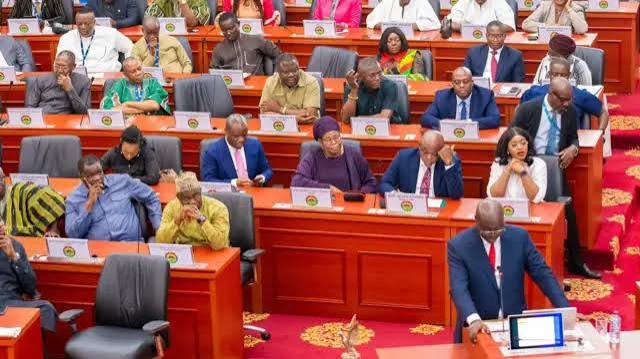
For ordinary citizens, an independent judiciary provides confidence that legal disputes will be resolved fairly regardless of political influence. Businesses, investors, and civil society organizations also benefit from predictable legal systems that apply laws consistently.
Anti-corruption measures represent another major component of the reform agenda. New oversight institutions, stronger financial auditing systems, whistleblower protections, and expanded investigative authority are intended to reduce misuse of public resources.https://rendergh.net/
Anti-corruption experts emphasize that successful implementation depends not only on legislation but also on effective enforcement, adequate institutional resources, and sustained political commitment.
Economic governance reforms may also influence citizens indirectly. Greater transparency in budgeting, procurement, and public investment could improve the efficiency of government spending while encouraging responsible fiscal management.
If public funds are allocated more effectively, citizens may experience improvements in healthcare, education, transportation, and public infrastructure over time. Efficient financial management also strengthens investor confidence, supporting broader economic development.
Civil society organizations have largely welcomed the emphasis on public participation while encouraging government officials to maintain continuous dialogue throughout implementation. Many advocacy groups argue that reforms achieve lasting success only when citizens actively participate rather than merely observing political change.
Business leaders have also expressed cautious optimism. Stable political institutions, transparent governance, and predictable regulations often encourage domestic and foreign investment. Investors generally favor environments where legal frameworks remain consistent and government decisions follow established constitutional procedures.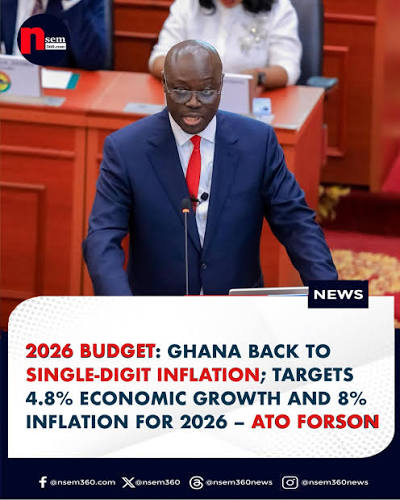
Universities and policy research institutions have begun analyzing the potential long-term effects of the reforms. Political scientists suggest that institutional reforms typically produce gradual rather than immediate results. Strengthening democratic governance often requires sustained implementation over several years.
Public opinion remains divided regarding the scope of the reforms. Supporters view the package as evidence of political modernization and institutional strengthening. Critics argue that certain proposals require additional parliamentary debate or broader consultation before becoming law.
Despite differing political perspectives, many observers agree that successful reform ultimately depends on implementation rather than legislation alone. Effective institutions require adequate funding, professional public administration, independent oversight, and continued public engagement.
Citizens themselves will play an important role in determining the reforms’ success. Voting, participating in public consultations, monitoring government performance, engaging with local authorities, and remaining informed about national issues all contribute to stronger democratic governance.
Community organizations are expected to expand civic education programs explaining the practical implications of the reforms. Public awareness campaigns may help citizens better understand new voting procedures, public consultation opportunities, and access to government information.
International observers have welcomed the government’s commitment to democratic modernization while encouraging continued dialogue among political parties, civil society organizations, and independent institutions. Many note that inclusive reform processes strengthen long-term political stability.
Looking ahead, implementation timelines indicate that several reforms will take effect immediately, while others require additional legislation, administrative regulations, or institutional preparation. Parliament is expected to continue debating implementation measures during upcoming legislative sessions.
Political analysts caution that reforms should not be judged solely by their initial announcement. Instead, success will depend on measurable improvements in transparency, accountability, public participation, institutional performance, and citizen confidence over time.https://rendergh.net/
For ordinary citizens, the reforms represent an opportunity to become more directly involved in democratic governance. Whether through voting, attending community meetings, participating in public consultations, or monitoring government performance, individuals have an important role in shaping how these changes influence national development.
Ultimately, the latest political reforms seek to strengthen the foundations of democratic governance by improving transparency, accountability, participation, and institutional effectiveness. While challenges undoubtedly remain, the coming months and years will determine whether these reforms deliver meaningful improvements in citizens’ daily lives and reinforce public confidence in the nation’s democratic institutions. As implementation begins, attention will increasingly focus on turning legislative commitments into practical results that benefit communities across the country.

