


Capital City, August 3 — The government’s newly unveiled national budget has sparked widespread discussion among economists, business leaders, policymakers, and citizens as they assess its potential impact on economic growth, inflation, employment, public services, and household finances. Presented as a blueprint for the country’s fiscal priorities over the next financial year, the budget outlines billions in planned spending, tax measures, infrastructure investments, and social support programs aimed at strengthening the economy while maintaining long-term financial stability.
Although government officials describe the budget as balanced and growth-oriented, reactions have been mixed. Supporters argue that the proposed measures will stimulate investment, create jobs, and improve essential public services. Critics, however, question whether increased spending could place additional pressure on public debt, inflation, and future government finances.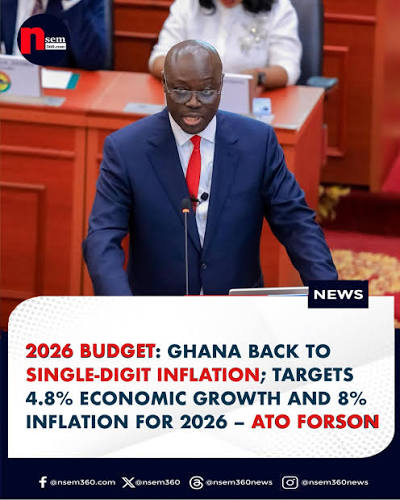
Economists note that the ultimate effects of any national budget depend not only on the policies announced but also on how effectively they are implemented. Global economic conditions, investor confidence, commodity prices, interest rates, and consumer spending will all influence whether the government’s objectives are achieved.
One of the budget’s central priorities is economic growth. Government projections indicate that increased public investment in infrastructure, transportation, digital technology, education, and healthcare will encourage business activity while improving productivity across multiple sectors.
Major infrastructure projects are expected to generate thousands of jobs during construction while providing long-term economic benefits through improved transportation networks, energy reliability, and communication systems. Economists generally agree that well-planned infrastructure investment can increase economic output by reducing business costs and improving efficiency.
The budget also includes incentives designed to encourage private-sector investment. These measures include tax relief for selected industries, support for small and medium-sized enterprises, expanded access to business financing, and initiatives promoting innovation and technology development.
Business organizations have welcomed many of these proposals, arguing that predictable fiscal policy encourages investment decisions. Companies often expand operations more confidently when government policy provides stability regarding taxation, regulation, and infrastructure development.
Employment remains another major focus of the budget. Increased funding for public works projects, vocational training, and workforce development programs aims to reduce unemployment while addressing skills shortages in growing industries.
Labor market specialists say investment in education and technical training could improve long-term productivity by preparing workers for changing economic conditions. However, they emphasize that sustainable employment growth depends primarily on expanding private-sector opportunities rather than temporary government-funded positions.
Small businesses stand to benefit from several targeted measures included in the budget. Reduced licensing costs, expanded credit facilities, digital transformation grants, and simplified tax procedures are intended to help entrepreneurs grow their operations while encouraging new business formation.
Many economists view small businesses as essential drivers of employment and innovation. By reducing administrative burdens and improving access to financing, governments can strengthen local economies and promote competition across multiple sectors.
Consumer spending may also be influenced by the budget’s tax policies. Changes to income tax brackets, deductions, and tax credits could increase disposable income for some households, allowing families to spend more on goods and services.
Higher consumer spending generally supports economic growth by increasing demand for products, encouraging business expansion, and creating employment opportunities. However, economists caution that stronger demand must be balanced with adequate supply to avoid excessive inflation.
Inflation remains one of the most closely watched economic indicators following any major budget announcement. Increased government spending can stimulate economic activity, but if spending grows significantly faster than production, prices may rise more rapidly.
Central bank officials will likely monitor inflation closely over the coming months when making decisions regarding interest rates. Monetary policy and fiscal policy often work together to maintain economic stability while supporting sustainable growth.
Housing policy also features prominently in the budget. Increased funding for affordable housing projects, mortgage assistance programs, and urban development initiatives seeks to improve housing availability while supporting the construction industry.
Construction companies have generally welcomed the proposed investments, noting that housing development generates employment across numerous industries, including manufacturing, transportation, engineering, architecture, and retail.
Healthcare funding receives a significant allocation in the new budget. Planned investments include hospital modernization, expanded medical staffing, improved healthcare technology, and increased access to primary care services.
Health economists argue that better healthcare contributes to economic productivity by reducing illness, improving workforce participation, and lowering long-term medical costs. Healthy populations generally support stronger labor markets and higher economic output.
Education spending also increases under the proposed budget. Funding for schools, universities, research institutions, scholarships, and vocational education aims to strengthen human capital while preparing future generations for evolving labor market demands.
Education experts frequently describe investment in knowledge and skills as one of the most effective long-term economic strategies. Better educational outcomes often lead to higher incomes, increased innovation, and improved national competitiveness.
Agriculture remains another priority sector receiving targeted financial support. Farmers may benefit from expanded irrigation projects, equipment financing, agricultural research, and climate resilience programs designed to improve productivity while addressing environmental challenges.
Agricultural development contributes not only to food security but also to export earnings, rural employment, and regional economic development. Improved agricultural productivity can also help stabilize food prices during periods of economic uncertainty.
The manufacturing sector is expected to receive incentives encouraging domestic production and industrial modernization. Government officials hope these measures will strengthen supply chains, reduce dependence on imports, and improve export competitiveness.
Manufacturing associations have responded positively while emphasizing that stable energy supplies, transportation infrastructure, and skilled labor remain essential for long-term industrial growth.
Energy investment forms another major component of the budget. Planned spending includes electricity generation, renewable energy projects, power transmission upgrades, and energy efficiency initiatives.
Reliable energy infrastructure supports virtually every sector of the economy. Manufacturing, agriculture, transportation, healthcare, education, and digital services all depend on consistent and affordable electricity supplies.
Environmental sustainability also receives increased attention within the budget. Funding for conservation, climate adaptation, renewable energy, and environmental protection reflects growing recognition of climate-related economic risks.
Environmental economists argue that sustainable investment today may reduce future costs associated with natural disasters, resource shortages, and environmental degradation while creating opportunities in emerging green industries.
Public debt remains a central topic of debate among fiscal policy experts. Financing ambitious government programs often requires borrowing, particularly when tax revenues are insufficient to cover planned expenditures.
Supporters contend that borrowing for productive investment can generate economic returns exceeding financing costs. Critics argue that excessive borrowing could increase future interest payments, reduce fiscal flexibility, and place greater financial burdens on future generations.
Credit rating agencies, international financial institutions, and investors will likely evaluate how the budget affects long-term fiscal sustainability. Confidence in government financial management influences borrowing costs and investment decisions.
International trade policies outlined in the budget aim to strengthen export industries while improving market access for domestic producers. Export growth can generate foreign exchange earnings, support employment, and diversify economic activity.
Tourism promotion also features among government priorities. Investment in transportation, cultural attractions, hospitality infrastructure, and international marketing seeks to attract additional visitors while supporting businesses throughout the tourism sector.
Technology and digital transformation receive expanded funding through programs encouraging innovation, cybersecurity, digital infrastructure, and research partnerships between universities and private industry.
Technology experts note that digital investment increasingly determines economic competitiveness in modern economies. Countries investing successfully in innovation often experience stronger productivity growth and higher-value employment opportunities.
Financial markets responded cautiously following the budget announcement. Investors generally welcomed commitments to infrastructure and economic development while remaining attentive to fiscal deficit projections and inflation risks.
Currency markets showed relatively modest movement, reflecting expectations that implementation details will become more important than initial policy announcements. Analysts expect future economic data to determine whether market confidence strengthens over time.
Ordinary households will likely experience the budget differently depending on income levels, employment circumstances, tax obligations, and access to government services. Some families may benefit from tax reductions or expanded social programs, while others may notice relatively limited immediate changes.
Consumer advocacy organizations emphasize that successful budgets should balance economic growth with affordability, ensuring that improvements in national economic performance translate into better living standards for citizens.
Economic analysts agree that budgets should be evaluated over time rather than immediately after announcement. Many infrastructure investments, education reforms, healthcare improvements, and industrial development programs require years before their full economic benefits become visible.
Implementation will therefore play a decisive role. Efficient project management, transparent procurement, responsible financial oversight, and consistent policy execution are essential if the government’s economic objectives are to be achieved.
Looking ahead, policymakers, businesses, investors, and households will closely monitor key economic indicators including inflation, employment, economic growth, public debt, business investment, consumer confidence, and government revenue. These measures will provide important evidence regarding the budget’s effectiveness.
Ultimately, the new budget represents both an economic strategy and a statement of national priorities. Whether it succeeds in promoting sustainable growth, improving public services, supporting businesses, and maintaining fiscal stability will depend on disciplined implementation, sound economic management, and the ability to respond effectively to changing domestic and global economic conditions.
As debate continues among political leaders and economic experts, one conclusion remains widely shared: the budget is not simply a financial document but a roadmap that will influence investment decisions, employment opportunities, public services, and economic confidence throughout the coming year and beyond.

