


Introduction
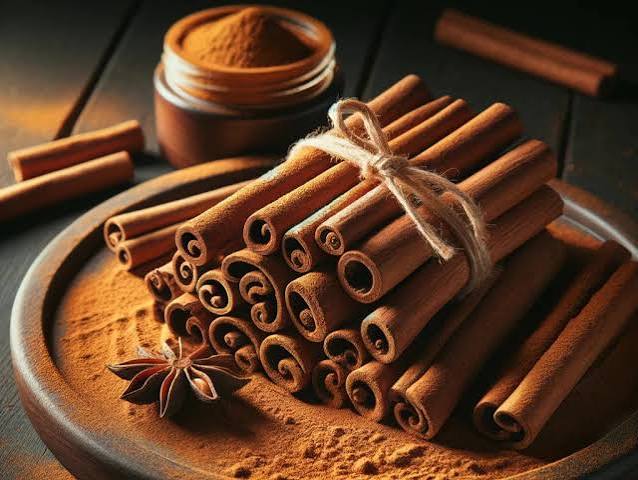
Cinnamon is one of the world’s oldest and most widely used spices, valued for thousands of years for its distinctive aroma, warm flavor, medicinal traditions, and practical applications. Derived from the inner bark of trees belonging to the Cinnamomum genus, cinnamon has played an important role in cultures across Asia, the Middle East, Europe, and Africa. Today, it remains a popular ingredient in kitchens, traditional remedies, cosmetics, wellness products, and household applications.
Known for its sweet, woody fragrance and slightly spicy taste, cinnamon is available mainly in two varieties: Ceylon cinnamon, often called “true cinnamon,” and Cassia cinnamon, which is more commonly available worldwide. Both varieties are used in food and traditional practices, although they differ in flavor, appearance, and chemical composition.
Modern interest in cinnamon has expanded beyond cooking. Researchers have studied its natural compounds, including cinnamaldehyde and antioxidants, for their potential roles in supporting health and protecting against environmental damage. While cinnamon can be part of a healthy lifestyle, it should not be considered a replacement for professional medical treatment.
1. Culinary Uses of Cinnamon
One of the most common uses of cinnamon is as a cooking spice. Its sweet and aromatic flavor makes it suitable for a wide range of dishes, from desserts to savory meals.
Baking and Desserts
Cinnamon is a key ingredient in many baked goods around the world. It is commonly added to:
- Cakes
- Cookies
- Muffins
- Bread
- Pastries
- Pies
- Rolls
Cinnamon rolls are among the most famous examples of foods centered around this spice. The combination of cinnamon, sugar, and baked dough creates a popular sweet treat enjoyed in many countries.
It is also frequently used in desserts such as apple pie, rice pudding, custards, and sweet pastries. Even a small amount of cinnamon can enhance sweetness and add complexity to flavors.
Beverages
Cinnamon is widely used in hot and cold drinks. It can be added to:
- Tea
- Coffee
- Hot chocolate
- Smoothies
- Herbal drinks
- Spiced beverages
Many cultures prepare cinnamon tea by steeping cinnamon sticks in hot water. Cinnamon is also an important ingredient in traditional drinks such as spiced chai and holiday beverages.
Savory Cooking
Although often associated with sweet foods, cinnamon is also used in savory dishes. It adds warmth and depth to:
- Meat dishes
- Stews
- Rice dishes
- Sauces
- Curries
In Middle Eastern, North African, and South Asian cuisines, cinnamon is commonly combined with spices such as cloves, cardamom, and cumin to create rich and aromatic meals.
Flavor Enhancement
Cinnamon can enhance the natural sweetness of foods without requiring large amounts of sugar. Many people use it in:
- Oatmeal
- Yogurt
- Breakfast cereals
- Fruit dishes
- Nut mixtures
This makes it a popular choice for people looking for ways to improve flavor while reducing added sugar.
2. Traditional Health Uses of Cinnamon
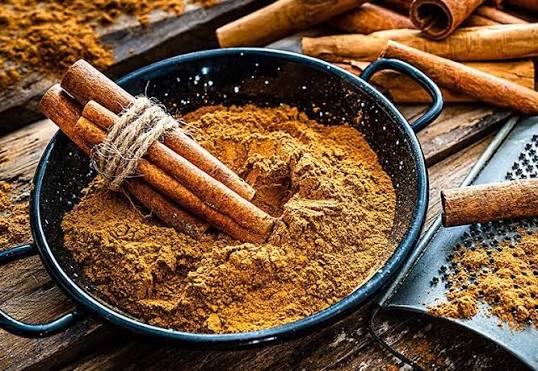
For centuries, cinnamon has been used in traditional medicine systems, including Ayurveda and traditional Chinese medicine. Different cultures have used it for digestive comfort, warming properties, and general wellness.
Supporting Digestion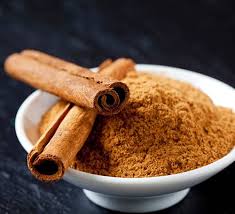
Cinnamon has traditionally been used after meals because it is believed to support digestion. Some people consume cinnamon tea or include the spice in meals to help reduce feelings of discomfort after eating.
Traditional practices have used cinnamon for:
- Bloating
- Gas
- Mild digestive discomfort
- Appetite support
Scientific research continues to explore how cinnamon compounds may influence digestive processes.
Antioxidant Properties
Cinnamon contains natural compounds that have antioxidant activity. Antioxidants help protect cells from oxidative stress caused by unstable molecules known as free radicals.
The antioxidants found in cinnamon may contribute to overall wellness by supporting the body’s natural defense systems.
Supporting Healthy Blood Sugar Levels
One of the most researched potential benefits of cinnamon is its relationship with blood sugar regulation. Some studies have investigated whether cinnamon compounds may influence insulin sensitivity and glucose metabolism.
Although research has produced mixed results and more studies are needed, cinnamon is sometimes included as part of dietary approaches aimed at maintaining healthy blood sugar levels.
People with diabetes or those taking blood sugar medication should consult healthcare professionals before using large amounts of cinnamon supplements.
Anti-Inflammatory Potential
Cinnamon contains plant compounds that researchers have studied for their possible anti-inflammatory effects. Inflammation is a natural process in the body, but excessive inflammation can contribute to various health concerns.
Including cinnamon as part of a balanced diet may contribute beneficial plant compounds to daily nutrition.
3. Uses of Cinnamon in Personal Care and Beauty
Cinnamon has also found applications in beauty and personal care products because of its fragrance and natural compounds.
Skin Care Products
Cinnamon extracts and oils are used in some cosmetic products, including:
- Face masks
- Scrubs
- Soaps
- Lotions
- Fragrance products
Its warming scent makes it a popular ingredient in aromatherapy and luxury personal care products.
However, cinnamon can irritate sensitive skin, so products containing cinnamon should be used carefully and tested before widespread application.
Hair Care
Some traditional hair care practices use cinnamon as an ingredient in hair treatments. It is sometimes included in homemade hair masks because of its natural fragrance and scalp-stimulating reputation.
However, direct application of concentrated cinnamon oil or strong cinnamon mixtures may cause irritation, so caution is important.
Natural Fragrance
Cinnamon’s warm, sweet aroma makes it popular in:
- Perfumes
- Candles
- Essential oil blends
- Air fresheners
Its scent is often associated with comfort, warmth, and relaxation.
4. Household Uses of Cinnamon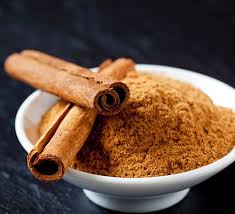
Beyond food and personal care, cinnamon has several practical household applications.
Natural Air Freshener
Cinnamon can be used to create pleasant household fragrances. Boiling cinnamon sticks with ingredients such as orange peel or cloves can produce a natural aromatic scent.
Many people use cinnamon-based fragrances during holidays or special occasions because of its comforting smell.
Traditional Pest Control
Cinnamon has traditionally been used in some households as a natural pest deterrent. Certain compounds in cinnamon may repel some insects due to their strong aroma.
It is sometimes placed near areas where ants or insects appear, although effectiveness can vary and it should not replace professional pest control methods when needed.
Craft and Decoration
Cinnamon sticks are popular in decorative crafts because they are attractive and naturally fragrant.
They are used in:
- Holiday decorations
- Wreaths
- Centerpieces
- Handmade ornaments
- Gift packaging
5. Industrial Uses of Cinnamon
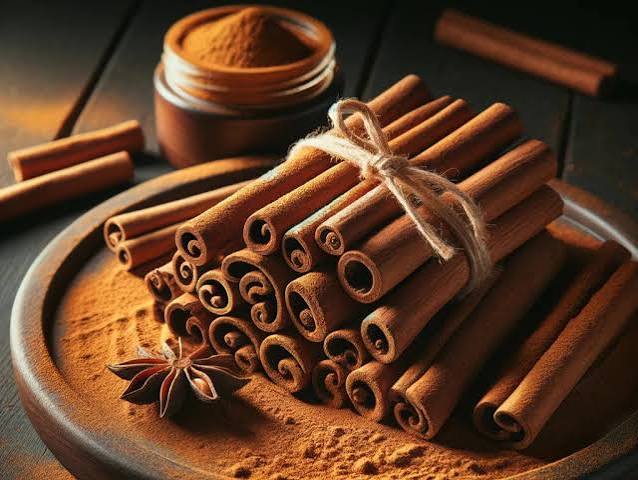
Cinnamon is used commercially in several industries.
Food Manufacturing
Food companies use cinnamon in products such as:
- Breakfast cereals
- Candy
- Baked goods
- Instant beverages
- Seasoning blends
Its strong flavor allows manufacturers to create recognizable products with small quantities.
Pharmaceutical and Supplement Industries
Cinnamon extracts are used in some supplements and wellness products. These products often focus on antioxidant support, metabolism, or general health.
Consumers should choose supplements carefully and consult healthcare providers when necessary.
Fragrance Industry
Cinnamon oil is used in perfumes, soaps, candles, and other scented products because of its distinctive aroma.
6. Nutritional Value of Cinnamon
Although cinnamon is usually consumed in small amounts, it contains several naturally occurring compounds.
It provides small amounts of:
- Fiber
- Calcium
- Iron
- Manganese
- Plant antioxidants
Because people typically use only a teaspoon or less at a time, cinnamon should be viewed as a flavor-enhancing ingredient rather than a major source of nutrients.
7. Different Types of Cinnamon and Their Uses
Ceylon Cinnamon
Ceylon cinnamon is sometimes called true cinnamon. It has a lighter color, softer texture, and delicate flavor.
It is often preferred for:
- Gourmet cooking
- Specialty teas
- Premium spice blends
Cassia Cinnamon
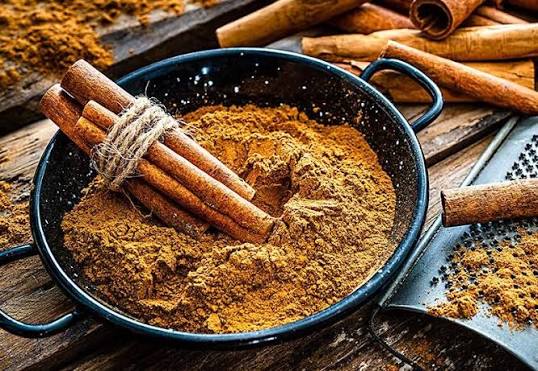
Cassia cinnamon is the most common variety found in supermarkets. It has a stronger flavor and darker appearance.
It is commonly used in:
- Baking
- Commercial food products
- Everyday cooking
8. Safety Considerations
Although cinnamon is generally safe when used as a spice, excessive consumption may cause problems.
Cassia cinnamon contains a natural compound called coumarin. High intake of coumarin may be harmful to the liver in sensitive individuals.
People should be cautious about consuming large amounts of cinnamon supplements, especially those with:
- Liver conditions
- Medication interactions
- Pregnancy-related concerns
Cinnamon essential oil should not be consumed unless specifically prepared and approved for internal use.
9. Cinnamon in Culture and History
Cinnamon has a long history as a valuable commodity. Ancient civilizations used it in medicine, religious ceremonies, perfumes, and trade.
It was once considered a luxury item and was traded across major routes connecting Asia, Africa, and Europe. Its popularity helped shape historical spice markets and international commerce.
Today, cinnamon remains one of the most recognizable spices worldwide, connecting traditional practices with modern food and wellness industries.
Conclusion
Cinnamon is far more than a simple kitchen spice. Its uses extend across cooking, beverages, traditional wellness, beauty products, household applications, and industrial manufacturing. Its unique flavor, pleasant aroma, and natural compounds have made it a valuable ingredient for centuries.
From adding warmth to a cup of tea to enhancing the flavor of a meal, cinnamon continues to hold an important place in everyday life. While ongoing research explores its potential health benefits, the most reliable way to enjoy cinnamon is as part of a balanced diet and responsible lifestyle.
With its combination of history, versatility, and cultural importance, cinnamon remains one of the world’s most beloved natural ingredients.

