


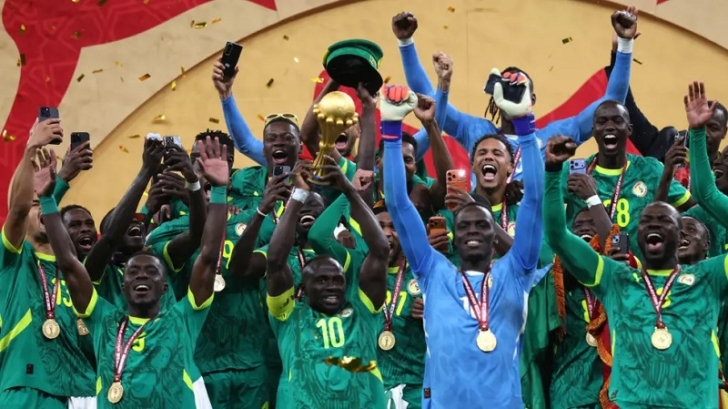
Africa Cup of Nations 2027 Set for June–July Slot
The Africa Cup of Nations (AFCON) 2027 will be staged in the traditional June–July window, a move that aligns the continent’s flagship football tournament with the global football calendar and reduces scheduling conflicts with major European leagues.
The decision, confirmed by the Confederation of African Football (CAF), is expected to provide improved weather conditions, stronger player availability, and greater commercial stability as African football continues to expand its global footprint.
AFCON 2027 will be hosted by a joint bid from Kenya, Tanzania, and Uganda — marking the first time the tournament will be co-hosted by three East African nations.
A Return to the Traditional Calendar

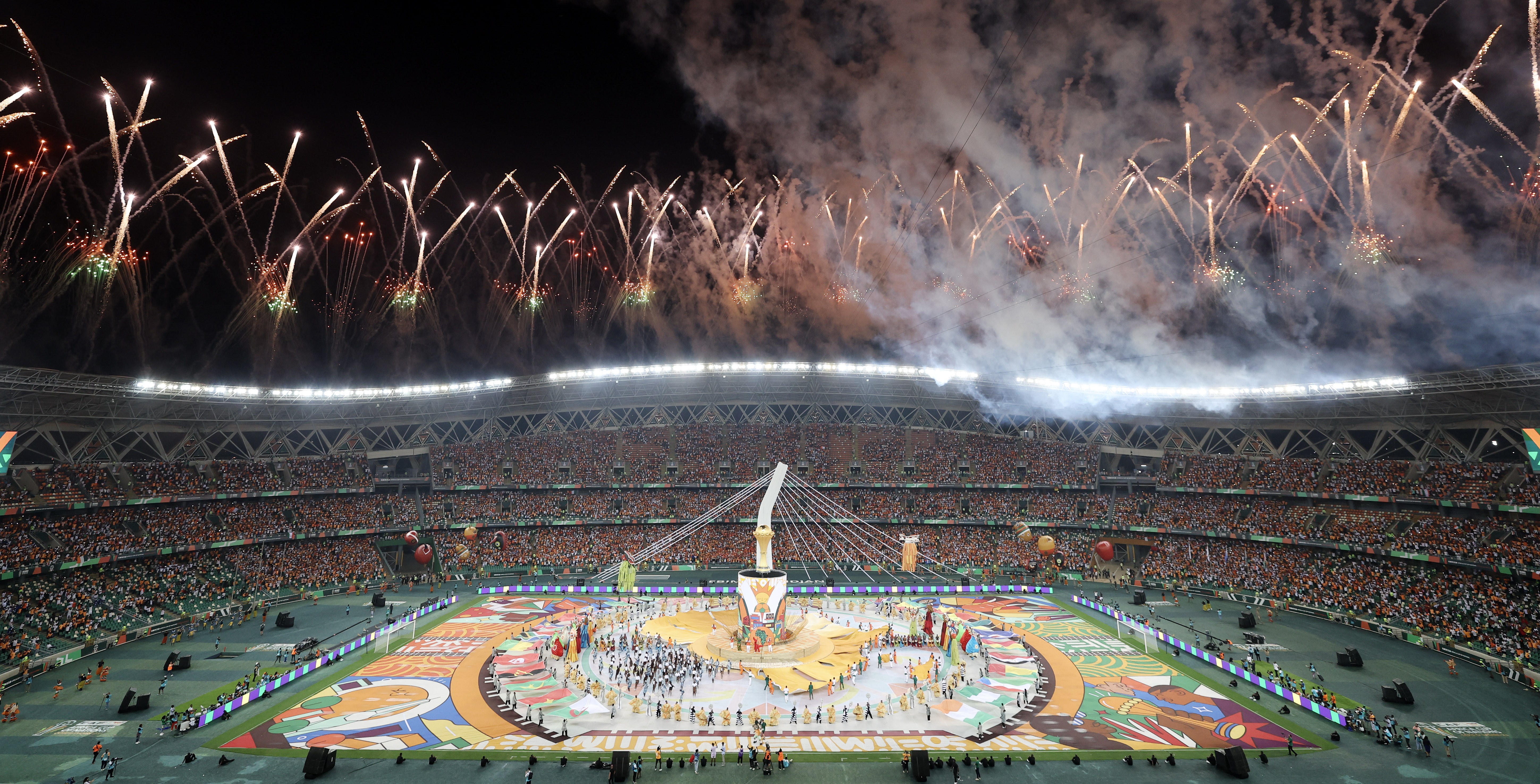
Historically, AFCON tournaments were often held in January and February. However, recent editions have alternated between winter and summer schedules due to climatic conditions and logistical considerations.
By placing AFCON 2027 in June and July, CAF aims to:
-
Minimize disruption to European club competitions
-
Improve player availability for national teams
-
Optimize stadium conditions in host countries
-
Enhance global television scheduling
The summer slot also aligns AFCON with other major international tournaments, increasing international viewership and commercial partnerships.
East Africa to Host Historic Tournament

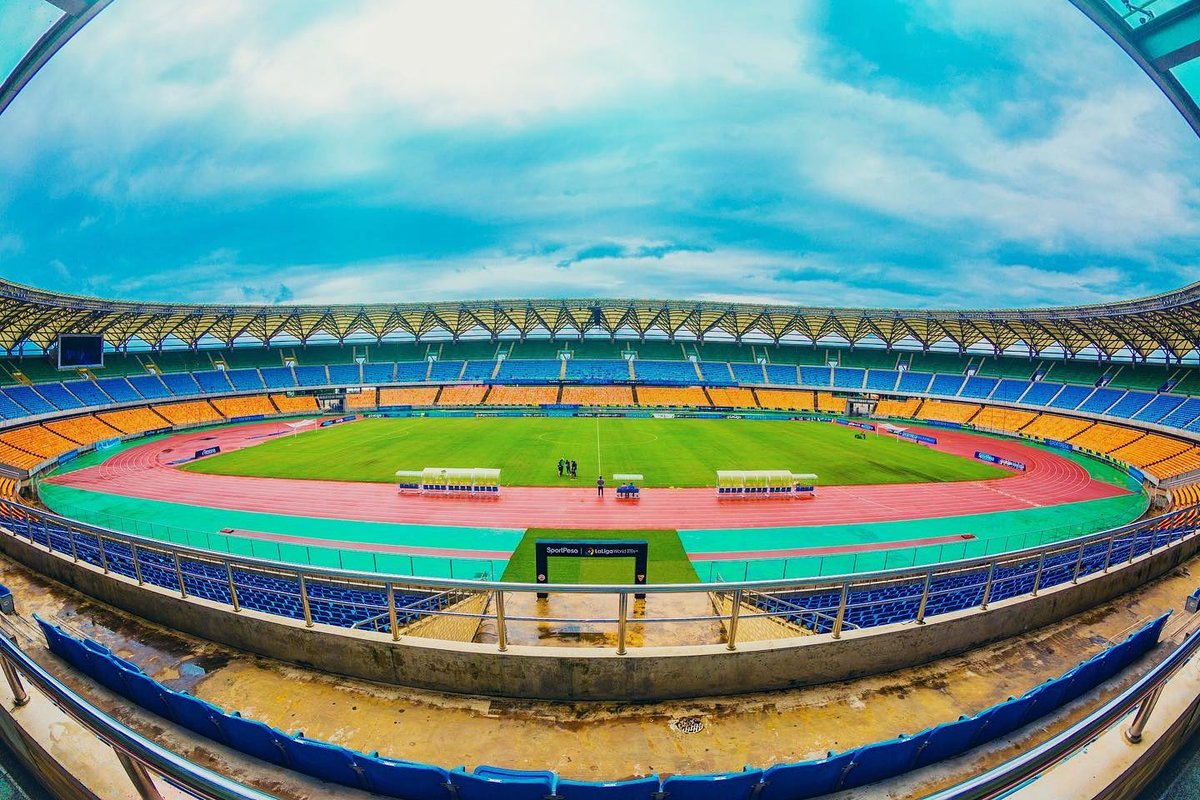

The 2027 edition will be jointly hosted by Kenya, Tanzania, and Uganda — a landmark moment for East African football development.
Proposed venues include:
-
Moi International Sports Centre (Kasarani) in Nairobi
-
Benjamin Mkapa Stadium in Dar es Salaam
-
Mandela National Stadium in Kampala
The joint hosting arrangement is designed to:
-
Promote regional cooperation
-
Accelerate infrastructure upgrades
-
Stimulate tourism and economic growth
-
Strengthen football development across East Africa
Regional authorities have pledged significant investment in stadium renovation, transportation networks, security systems, and hospitality facilities.
Economic and Commercial Implications
AFCON remains Africa’s most commercially valuable football event. Hosting the tournament provides opportunities for:
-
Job creation
-
Tourism growth
-
Infrastructure expansion
-
International branding
Local businesses — including hotels, restaurants, transport providers, and merchandise vendors — are expected to benefit from the influx of fans, officials, and media personnel.
CAF’s commercial partners are also likely to expand sponsorship packages, broadcasting rights agreements, and digital engagement initiatives in anticipation of the tournament.
Player Welfare and Club Relations
One of the longstanding debates surrounding AFCON scheduling involves its overlap with European domestic leagues, where many African stars compete.
Holding AFCON 2027 during the June–July period reduces tension between national teams and clubs, as it coincides with the European off-season.
This arrangement is expected to:
-
Ensure full-strength squads for participating nations
-
Reduce mid-season travel fatigue
-
Improve overall tournament quality
Top African players competing abroad will likely be more readily released by their clubs, enhancing competitive balance.
Qualification Campaign Ahead
The qualification process for AFCON 2027 is expected to begin well in advance of the tournament year, with national teams across the continent competing for a place in the expanded finals format.
Defending champions of the previous AFCON edition will automatically qualify, alongside host nations Kenya, Tanzania, and Uganda.
The qualification rounds typically involve group-stage matches held across multiple international windows.
Growing Global Profile of AFCON
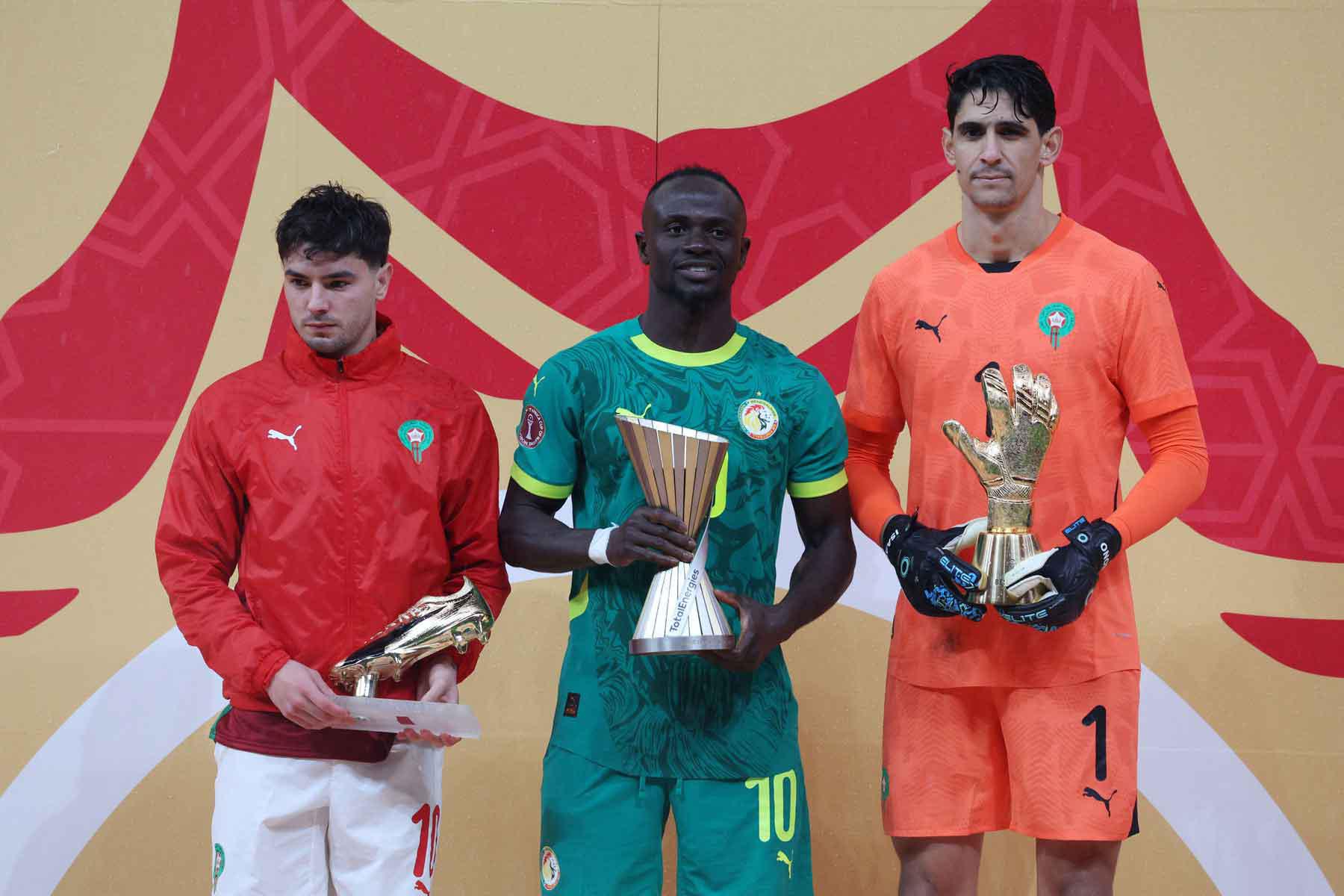

AFCON has experienced steady growth in global broadcast reach. Television and digital streaming platforms now carry matches to audiences across Europe, Asia, and the Americas.
The tournament’s rising profile has contributed to:
-
Increased scouting opportunities for African players
-
Expanded sponsorship agreements
-
Greater international media coverage
CAF leadership has consistently emphasized the need to modernize competition structures, strengthen governance, and enhance fan engagement through digital innovation.
Infrastructure and Readiness Challenges
Joint tournaments often require significant coordination. Organizers must ensure:
-
Stadium compliance with CAF standards
-
Reliable transportation between host cities
-
Adequate accommodation capacity
-
Enhanced security protocols
East African governments have expressed commitment to meeting CAF’s benchmarks, with infrastructure projects already underway in several cities.
Observers note that successful delivery could position East Africa as a future hub for major international sporting events.
Fan Expectations and Regional Pride
The announcement has generated excitement across East Africa, where football enjoys passionate grassroots support.
Local fans anticipate:
-
Increased youth participation in sports
-
Regional pride and unity
-
Cultural exchange opportunities
AFCON tournaments often double as cultural festivals, showcasing music, food, and traditions from participating nations.
Broader African Football Development
Beyond the tournament itself, AFCON 2027 is expected to serve as a catalyst for long-term football development initiatives.
These may include:
-
Grassroots academy investment
-
Women’s football promotion
-
Referee and coaching education programs
-
Improved sports governance systems
CAF has increasingly linked major tournaments with legacy programs designed to ensure sustainable impact beyond the final whistle.
Conclusion: A Strategic Move for African Football
The confirmation that AFCON 2027 will take place in June–July marks a strategic shift aimed at enhancing competitiveness, commercial viability, and global visibility.
With Kenya, Tanzania, and Uganda preparing to welcome the continent, anticipation is already building for what could be a landmark edition of Africa’s premier football competition.
As infrastructure projects advance and qualification campaigns begin, the road to AFCON 2027 promises to unite fans across Africa — and beyond — in celebration of the continent’s enduring football passion.

