


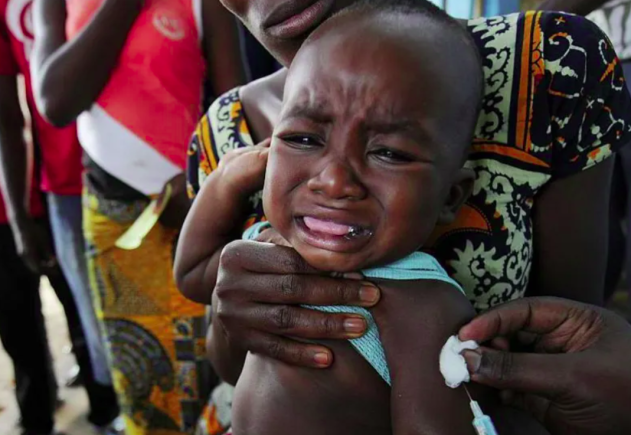
An international outcry over research ethics shines a spotlight on scientific standards in global health
By [Author Name] – [Date]
Geneva / Bissau / Copenhagen – A proposed U.S.-funded clinical trial involving newborn infants in the West African nation of Guinea-Bissau has been sharply condemned by the World Health Organization (WHO) and other global health authorities, sparking intense debate over research ethics, vaccine policy, and international scientific responsibility.
The controversy reached a peak in mid-February 2026, when WHO officials publicly criticized the study’s design and ethical grounding, calling it “unethical” because it would withhold a widely accepted, life-saving vaccine from some newborns. As Guinea-Bissau’s government announced a temporary suspension of the trial, health professionals and policy makers around the world weighed in on the implications of testing protocols, public trust, and global health equity.
Proposed Trial: Background and Core Design
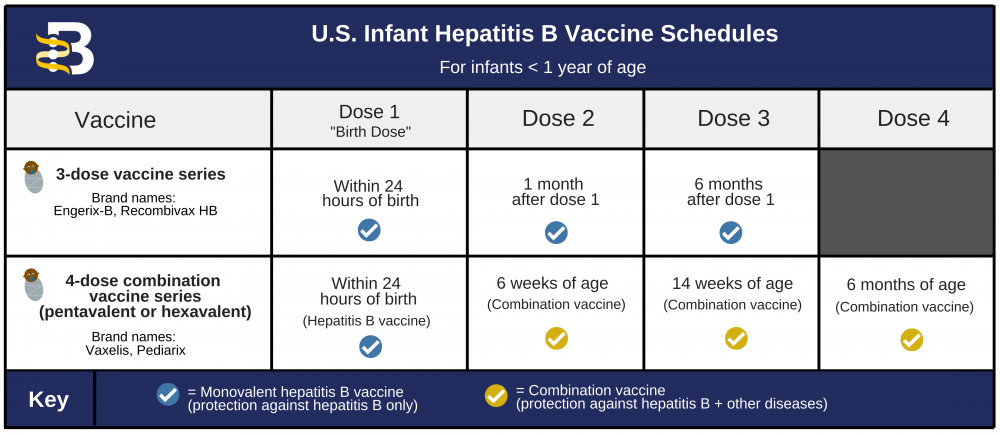

At the center of the debate is a planned randomized controlled trial (RCT) to study the effects of the hepatitis B vaccine when administered at different times after birth. The study was set to take place in Guinea-Bissau, a low-income nation in West Africa, where hepatitis B infection rates are among the highest in the world and pose a severe public health burden.
The trial, funded in part by the U.S. Centers for Disease Control and Prevention (CDC) with a grant of approximately $1.6 million, aimed to enroll roughly 14,000 infants. Half would receive the standard birth dose of the hepatitis B vaccine within 24 hours of birth, while the remainder would receive their first dose at six weeks of age — consistent with Guinea-Bissau’s existing immunization schedule.
Proponents said the study was intended to explore whether the timing of the vaccine has broader effects on early-life health outcomes, including mortality, morbidity, and developmental trajectories. Those proposing the study — led by researchers associated with the Bandim Health Project at the University of Southern Denmark — have described it as an opportunity to build evidence on non-specific health impacts associated with vaccine timing.
WHO Response: Ethical and Scientific Concerns
Such objectives drew swift and fierce criticism from the World Health Organization.
On 13 February 2026, the WHO released a detailed statement asserting that the hepatitis B birth dose is a “proven, effective, and essential public health intervention” that has been safely used for decades and included in the immunization schedules of more than 115 countries worldwide. In WHO’s view, withholding this intervention from newborns without strong scientific justification exposed infants to “potentially irreversible harm,” including chronic infection, liver disease, and cancer.
WHO Director-General Dr. Tedros Adhanom Ghebreyesus went further, publicly calling the planned trial “unethical” on scientific and ethical grounds. He argued that trials involving children must meet strict ethical standards and must never deny participants access to interventions known to prevent serious disease.
The organization noted that hepatitis B transmission at birth accounts for most lifelong infections globally, with each exposed infant facing a high probability of becoming chronically infected if unvaccinated. In Guinea-Bissau, where adult infection rates exceed 12% according to WHO estimates, the birth dose is a critical preventive measure.
WHO’s statement emphasized the absence of any credible evidence suggesting safety concerns about the vaccine that would justify an RCT withholding care from some participants. It also flagged potential bias in the study’s design, stating the single-blind, no-treatment control approach could limit the interpretability and policy relevance of results.
Guinea-Bissau Government Weighs Suspension
In the wake of global criticism and growing local concern, authorities in Guinea-Bissau announced a suspension of the trial in late January 2026 pending further ethical and technical evaluation. The government said the country’s National Ethics Committee lacked the technical resources to fully assess the protocol, and that more consultation was needed before moving forward.
Officials stressed the suspension was not necessarily a cancellation but a necessary pause to ensure that research governance aligns with both domestic oversight and international standards. Media reports suggest that confusion over the country’s vaccine policy transition — from six-week to birth-dose administration — has contributed to the oversight challenges.
Local health experts and former officials have voiced dismay over the plans, with some quoting sentiments such as “We are not guinea pigs” — reflecting broader public anxiety about foreign-led research among some communities.
Scientific Debate: Risk, Evidence, and Research Ethics
Supporters of the study maintain that the trial was approved by Guinea-Bissau’s ethics committee and argue that no child would be deprived of vaccines they would otherwise receive under the current national schedule. As they describe it, the study seeks to compare standard care — which delays the birth dose — with an accelerated schedule.
However, critics argue this logic does not resolve the ethical problem. They contend that because hepatitis B vaccine at birth is globally accepted as best practice and Guinea-Bissau itself plans to adopt it nationwide by 2028, withholding it for research purposes undermines ethical standards. According to many public health ethicists, trials should not deliberately assign participants to an inferior standard of care when an effective intervention exists.
Scientific arguments extend beyond ethics. Some researchers point out that tracking broad health outcomes can be scientifically useful, but only if study design is rigorous and justified by genuine uncertainty — something many experts say is absent in this case. The WHO, for example, has stated that the study’s justification did not clearly demonstrate a knowledge gap sufficient to risk participant harm.
Broader Global Health Implications
The controversy has ignited debates about global health governance, vaccine policy, and the responsibilities of funders in research taking place in low-resource settings.
The United States’ role, particularly under the leadership of Health Secretary Robert F. Kennedy Jr., has been a focal point. Kennedy, a controversial figure with a history of questioning vaccine safety, has overseen shifts in U.S. federal vaccine policy, including changes to recommendations for infant hepatitis B vaccination. Some observers see the Guinea-Bissau trial as part of broader policy shifts that diverge from longstanding public health consensus.
Public health organizations such as UNICEF and Africa CDC have also weighed in, calling for more transparent communication, stronger ethical oversight, and deeper involvement of local health authorities in research decisions. Opinions vary internationally, but many stress the importance of protecting community trust in vaccination programs — particularly in countries where vaccine hesitancy can already pose a barrier to disease control.
Ethical Standards and Research Oversight
At the heart of the debate is the principle that clinical research must adhere to strict ethical guidelines, including informed consent, scientific necessity, and minimization of risk. International frameworks such as the Declaration of Helsinki and the Council for International Organizations of Medical Sciences (CIOMS) guidelines establish that participants in trials should not be deprived of interventions known to be safe and effective unless there is compelling scientific reason. Critics say the Guinea-Bissau plan does not meet these criteria.
Experts argue that withholding a vaccine that prevents a deadly infection — especially at birth, when children are most vulnerable — is ethically indefensible unless clear evidence shows a need to test alternatives. Many vaccine specialists fear that poorly justified research could not only harm participants but also erode public confidence in immunization more broadly.
Next Steps: Review, Dialogue, and Global Coordination
As of February 2026, the study remains suspended, with health authorities in Guinea-Bissau engaging with WHO, Africa CDC, and other partners to review study design and ethical considerations. WHO issued an offer to support national health authorities in strengthening hepatitis B birth dose delivery, maternal screening, logistical planning, and vaccine supply chain systems.
Many public health leaders hope this episode will prompt deeper reflection on how scientific research is planned and conducted in low-income settings — balancing the pursuit of evidence with unwavering commitment to participant safety and community rights.
Conclusion
The fallout from the planned U.S.-funded hepatitis B vaccine trial in Guinea-Bissau underscores the complex interplay between science, ethics, and global health policy. While research into improved preventive strategies is vital, experts overwhelmingly maintain that such efforts must never compromise basic ethical principles or expose the most vulnerable to avoidable risk.
As global health actors continue to engage in dialogue and review, one clear message resonates: protecting children’s health — grounded in evidence, ethics, and equity — must remain the central aim of any public health intervention.

