


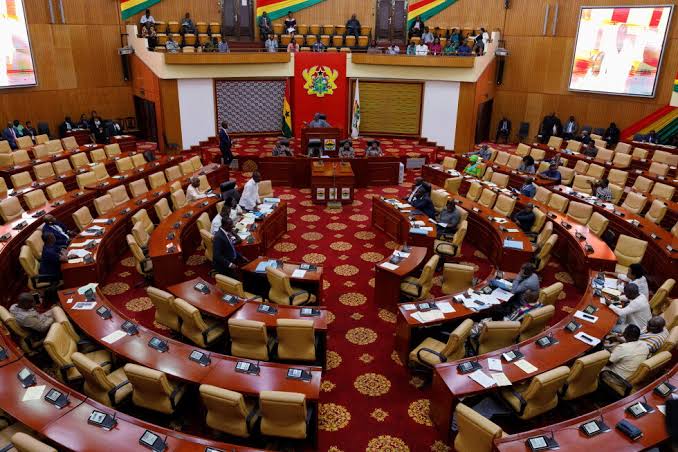
Ghana’s Parliament has approved a new policy framework expected to affect citizens, businesses, and public institutions across the country. The approval marks another significant step in the government’s efforts to strengthen governance, improve service delivery, and support national development priorities.
The newly approved policy is intended to enhance transparency, accountability, and efficiency in the implementation of government programs while promoting sustainable economic growth and improving public services. Members of Parliament debated the proposal before voting in favor of its adoption, describing it as an important measure to address emerging national challenges and improve the lives of Ghanaians. Recent parliamentary business has focused on major government policy and legislative measures, including debate on the 2026 Mid-Year Budget Review and other governance reforms.
Purpose of the New Policy
According to parliamentary discussions, the policy seeks to modernize government operations, strengthen institutional accountability, improve public sector performance, and ensure that national resources are used more efficiently.
Lawmakers indicated that the policy aligns with the government’s broader development agenda, which focuses on economic recovery, job creation, digital transformation, infrastructure development, and improved public financial management.
Officials believe that effective implementation will contribute to long-term national growth while improving confidence in public institutions.
Expected Impact on Citizens
The policy is expected to influence various aspects of everyday life for Ghanaians, depending on how government ministries, departments, and agencies implement the approved measures.
Potential areas of impact include:
- Improved delivery of public services.
- Increased transparency in government operations.
- Stronger accountability in the management of public funds.
- More efficient administrative processes.
- Better coordination among government institutions.
- Enhanced monitoring of public projects.
- Increased focus on value for money in public spending.
Government officials have indicated that implementation will occur gradually to allow institutions adequate time to adapt to the new requirements.
Improved Public Service Delivery
One of the central objectives of the policy is improving the quality of services delivered to citizens.
Authorities stated that government institutions will be encouraged to strengthen operational efficiency, reduce unnecessary delays, improve customer service standards, and embrace technology to simplify administrative procedures.
Citizens may experience shorter processing times for certain government services as digital systems continue to expand across public institutions.
Strengthening Transparency
The approved policy places significant emphasis on transparency and accountability.
Parliamentarians noted that stronger reporting mechanisms, regular performance reviews, and improved oversight will help ensure that government resources are managed responsibly.
Officials believe increased transparency will strengthen public trust while reducing opportunities for waste and inefficiency.
Economic Development Goals
Lawmakers emphasized that the policy complements ongoing efforts to stimulate economic growth and improve Ghana’s investment climate.
The government expects the reforms to encourage greater efficiency in public expenditure, improve investor confidence, support private sector development, and strengthen national competitiveness.
Economic analysts suggest that stronger governance frameworks can contribute to sustainable long-term development when effectively implemented.
Digital Transformation
Digital innovation forms an important component of the approved policy.
Government institutions are expected to continue expanding electronic service delivery, digital record management, online applications, and technology-driven monitoring systems.
Officials believe increased digitalization will reduce paperwork, improve data management, minimize administrative delays, and enhance access to government services for citizens across the country.
Benefits for Businesses
Businesses operating in Ghana may also benefit from improved administrative efficiency.
Industry stakeholders expect streamlined government procedures to simplify regulatory compliance, licensing, and communication between businesses and public institutions.
Improved transparency may also strengthen investor confidence and create a more predictable business environment.
Accountability Measures
Parliament highlighted the importance of regular monitoring and evaluation to ensure the policy achieves its intended objectives.
Government agencies will likely be required to submit performance reports, monitor implementation progress, and identify areas requiring improvement.
Independent oversight institutions may also play an important role in reviewing compliance with the new policy framework.
Regional Implementation
Authorities indicated that implementation will extend across all regions of Ghana.
Regional coordinating councils, metropolitan, municipal, and district assemblies are expected to work closely with central government agencies to ensure consistent application of the policy nationwide.
Officials emphasized that local participation will be essential to achieving the policy’s long-term objectives.
Public Awareness Campaigns
Government agencies are expected to conduct public education campaigns explaining the policy and its practical implications.
Citizens will be encouraged to familiarize themselves with any new procedures, requirements, or opportunities introduced through implementation.
Public awareness initiatives may include community engagements, media campaigns, stakeholder consultations, and digital communication platforms.
Parliamentary Debate
During parliamentary deliberations, lawmakers discussed the anticipated benefits, implementation challenges, funding requirements, and long-term impact of the policy.
Supporters argued that the reforms would strengthen governance, improve accountability, and increase efficiency across government institutions.
Some Members of Parliament also emphasized the importance of effective monitoring to ensure the policy produces measurable results for citizens.
Stakeholder Engagement
Government officials indicated that collaboration with civil society organizations, traditional authorities, private sector representatives, professional associations, and development partners will remain important throughout implementation.
Such engagement is expected to improve policy effectiveness while ensuring that concerns raised by stakeholders are addressed promptly.
Monitoring Progress
Authorities explained that implementation will be accompanied by continuous monitoring and periodic evaluations.
Performance indicators may be used to measure improvements in service delivery, institutional efficiency, financial accountability, and citizen satisfaction.
Lessons learned during implementation could inform future policy adjustments where necessary.
Long-Term National Benefits
If implemented successfully, the policy could contribute to:
- Stronger public institutions.
- Improved government accountability.
- Better use of public resources.
- Increased investor confidence.
- Enhanced public service delivery.
- Greater transparency in governance.
- Sustainable national development.
Experts note that effective implementation, adequate funding, institutional capacity, and continued political commitment will be key determinants of the policy’s success.
Government Commitment
Government officials reaffirmed their commitment to ensuring the approved policy delivers tangible benefits for all Ghanaians.
Authorities pledged to work closely with Parliament, public institutions, local governments, businesses, and community stakeholders throughout implementation.
They emphasized that regular assessments and stakeholder feedback would help strengthen execution and ensure the policy remains responsive to national priorities.
Looking Ahead
Following parliamentary approval, attention now shifts to implementation by the relevant ministries, departments, and agencies.
Officials say detailed operational guidelines, institutional preparations, and public education initiatives will be undertaken before full implementation where required.
The government has encouraged citizens to remain informed through official communications and to cooperate with institutions responsible for executing the new policy. Parliament continues to consider and oversee major policy initiatives as part of its legislative and oversight responsibilities.

